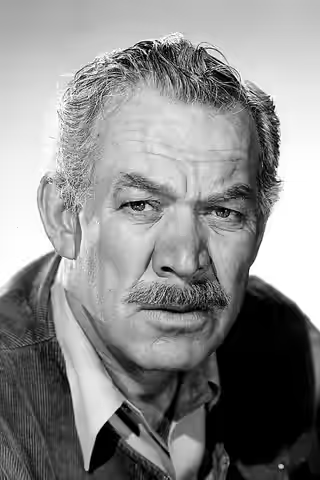
Ward Bond's friendly policemen and brutal thugs belong to a career built largely in supporting parts. We value his dependability across comedy, noir and Westerns; the limitation is how often the casting asks for someone already familiar.
Fi1m perspective
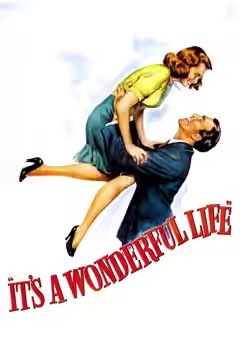
Ward Bond is the friendly policeman in It's a Wonderful Life (1946), and friendliness matters in a fantasy that takes the exhaustion of being good seriously. We were moved by James Stewart's weariness: Capra lets goodness be exhausting, and Stewart makes us feel the effort. Bond's Bert fits the reassuring side of Frank Capra's film, without being its principal attraction. We recommend the film enthusiastically, while allowing that its whimsy can become insistent. There is pleasure in noticing the smaller contributions without pretending they are what holds the film together.
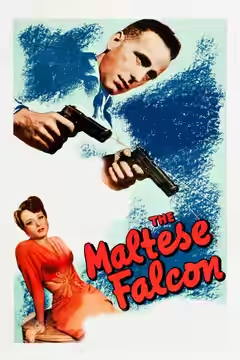
In John Huston's The Maltese Falcon (1941), Bond plays Detective Tom Polhaus, another policeman in a considerably colder film. Humphrey Bogart makes the conversations feel risky, and the actors give us reasons to keep listening when the plotting grows cramped. Bond's place in that company helps explain what we value about him: he can belong in a film without needing it reorganised around him. The reservation is that being repeatedly cast as a friendly policeman or a brutal thug can leave the actor's contribution hard to separate from the job description. We value the dependability, with no claim that familiar casting is always interesting.
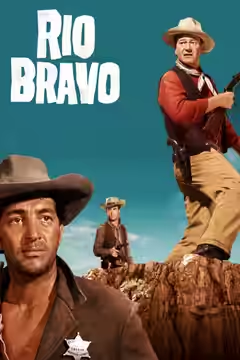
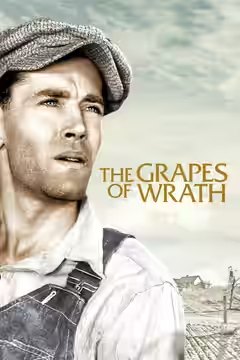
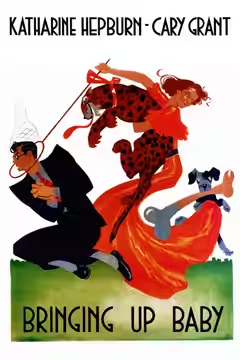
The screwball comedy of Bringing Up Baby (1938) is a useful reminder to look beyond the Westerns. His work with John Ford stretches across 25 films, including The Searchers (1956), with Bond as Rev. Capt. Samuel Johnston Clayton. His Pat Wheeler in Howard Hawks's Rio Bravo (1959) belongs to the later Western work. That is a substantial part of his career, but reducing him to it would leave out the films we most want to revisit.
Television changed the size of the assignment: Bond starred as the wagon master in Wagon Train from 1957 to 1960. The actor so often used in support now had a programme's leading role. We would still begin with the films, where his smaller parts sit alongside Stewart's weary goodness or Bogart's dangerous conversational ease. Choose Bert for warmth, Polhaus for an evening in less reassuring company.
Biography
Ward Bond (born Wardell Edwin Bond) was an American character actor. He appeared in more than 200 films between 1929 and 1960, often in supporting roles as cowboys, policemen or soldiers. He also starred in the NBC television series Wagon Train from 1957 until his death.
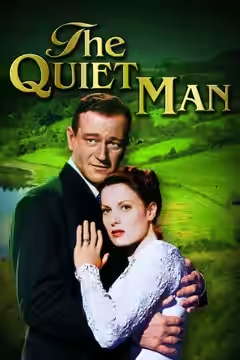
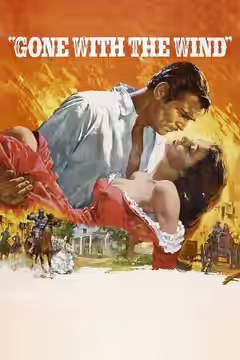
Bond attended the University of Southern California, where he played football alongside John Wayne. Director John Ford gave him his first speaking role and the pair later collaborated on 25 films, including The Quiet Man (1952) and The Searchers (1956). He also worked repeatedly with Frank Capra. Among his best-known screen roles are Bert the policeman in It's a Wonderful Life (1946), Tom the Yankee captain in Gone with the Wind (1939) and Detective Tom Polhaus in The Maltese Falcon (1941).