Robert Altman’s ensemble drama is funny, absorbing and occasionally too harsh on its characters. Its actors make the long running time worthwhile, even when the writing becomes too quick to judge them.
Short Cuts is funny, absorbing and sometimes harder on its people than they deserve. Robert Altman brings Raymond Carver’s stories into an interconnected Los Angeles, where a couple’s private troubles are never the only troubles in progress. At 188 minutes, he gives us time to recognise habits, excuses and grievances across a large cast. The actors make the length worthwhile, even when Altman’s judgement of their characters becomes a little too easy.
The screenplay, by Altman and Frank Barhydt, makes infidelity and domestic disappointment funny without treating the hurt as imaginary. People can be ridiculous and still have a point, particularly when somebody else refuses to hear it. That gives the conversations a welcome uncertainty: we cannot settle into approving of one person and dismissing another. The interconnections occasionally look too carefully arranged, but most of the time the film lets an encounter remain awkward without supplying a lesson.
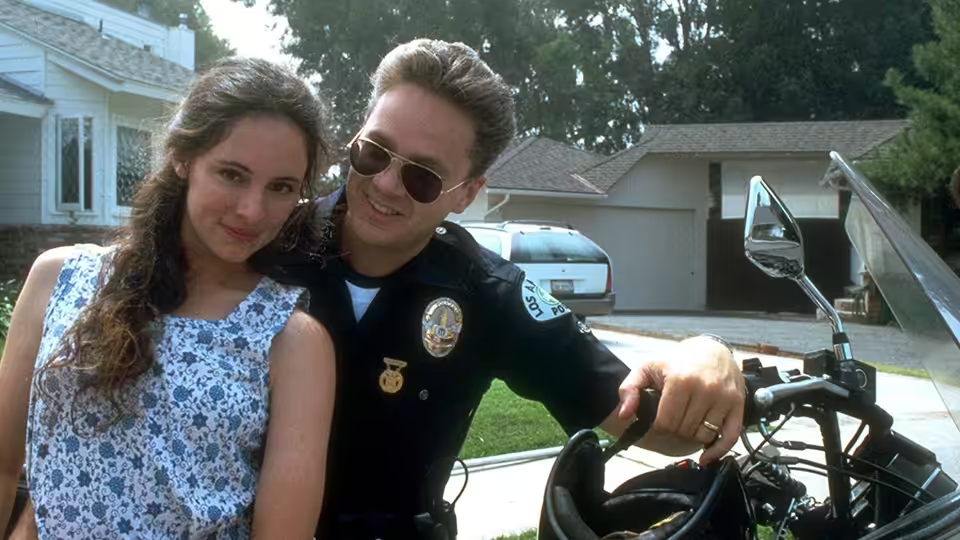
Lily Tomlin’s Doreen Piggot moved us more than we expected. Her blunt delivery makes room for fatigue, so the humour never quite removes the sense of effort involved in getting through the day. Tom Waits gives Earl Piggot a rasping irritability that keeps his comic moments uncomfortable. Tim Robbins’s Gene Shepard is harder to enjoy, deliberately so: Robbins makes the man’s self-satisfaction funny, then allows it to become wearing. Their different rhythms matter when so many people are competing for our attention.
Walt Lloyd’s cinematography leaves space to watch the listener as well as the speaker. That matters in conversations where someone’s impatience can be more revealing than the words we are supposed to be attending to. Stephen Altman’s production design makes the different homes feel inhabited, without insisting that every room should explain its owner. The domestic interiors remain ordinary enough for the arguments to feel familiar.
Editors Suzy Elmiger and Geraldine Peroni make returning to a household feel natural, and they are good at leaving a scene while something remains unsettled. Humour can therefore linger uncomfortably into the next stretch of unhappiness. Mark Isham’s music holds the uneasy mood through these shifts, leaving room for a joke to remain unpleasant. The changes of tone are more assured than the pacing, which occasionally lets familiar grievances occupy too much time.
The more serious weakness is the suspicion that Altman finds some of these people too easy to explain. His screenplay with Barhydt can press different relationships towards the same conclusion about selfishness, particularly male selfishness. After enough repetitions, another failure of sympathy begins to feel expected, and the encounters lose some of their surprise. That is a particular risk in an ensemble drama, where every return to a household needs to justify the time spent there.
The performances are the reason to stay. The cast keeps finding hesitations and changes of emphasis that make Altman’s judgements seem less settled than the writing sometimes suggests. We have room to disagree about a person’s behaviour without losing interest in what happens next. Set aside the full evening, and leave time afterwards to argue about who deserved a kinder hearing.