George Lucas’s space adventure has fine action and a dispiriting amount of explanation. Liam Neeson and John Williams help, but neither can make the stiff conversations worth sitting through.
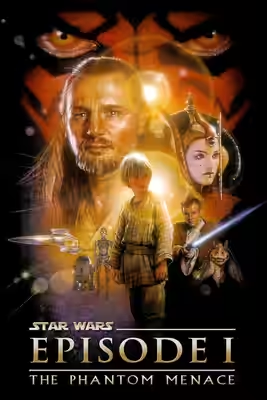
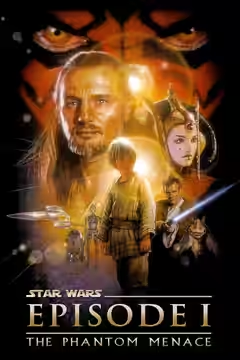
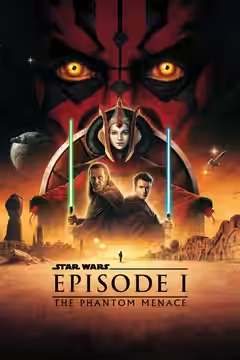
George Lucas’s Star Wars: Episode I – The Phantom Menace is a disappointment, despite some exciting action and considerable visual invention. It wants to introduce a galaxy full of people and creatures, but spends so long explaining things that the adventure repeatedly stalls. Lucas the writer gives his actors dialogue that sounds difficult to say with any conviction. At 136 minutes, there is ample time to notice how rarely anyone seems pleased to be talking to anyone else.
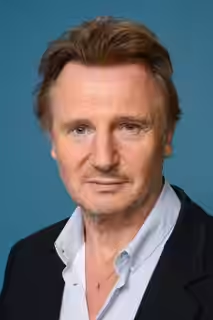
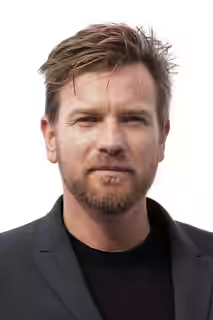
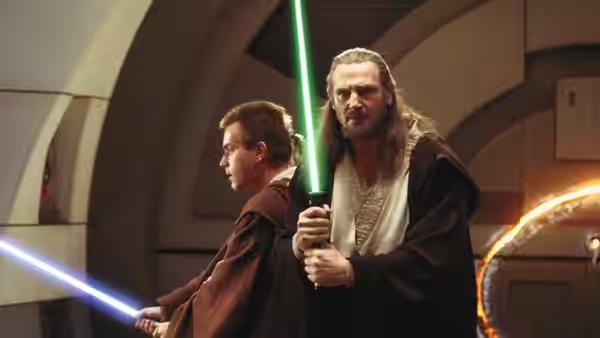
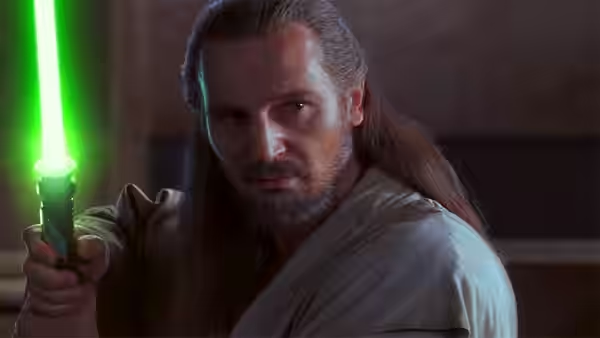
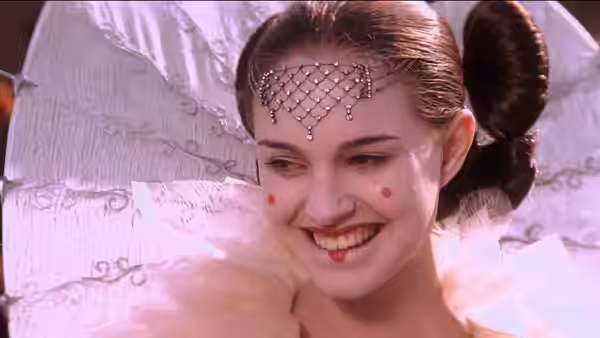
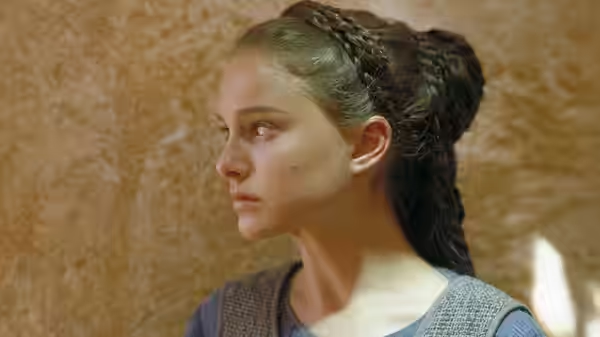
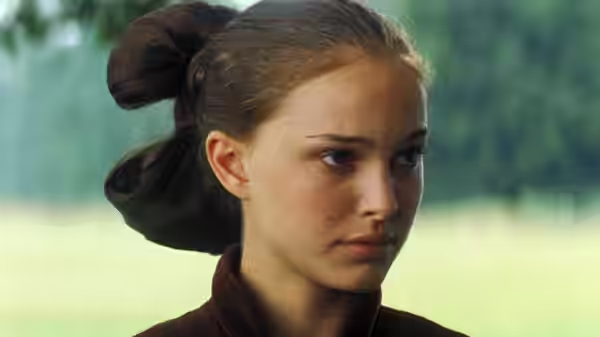
Liam Neeson gives Qui-Gon Jinn a calm authority, speaking the explanatory dialogue as though somebody might reasonably need to hear it. He makes the character good company, which is more useful here than another creature or another impressive view. Ewan McGregor’s Obi-Wan Kenobi and Natalie Portman’s Padmé Amidala are much less engaging, though the stiffness belongs at least partly to Lucas’s writing and direction. Their exchanges seldom reveal enough temperament to make us anticipate the next one.
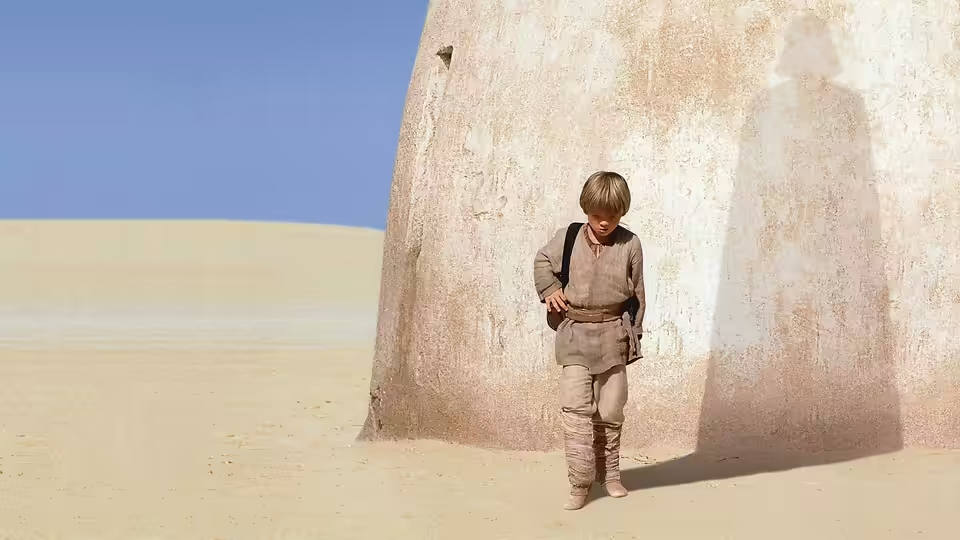
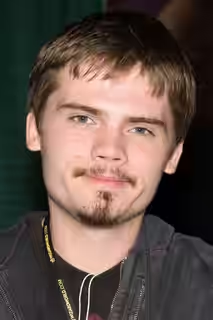
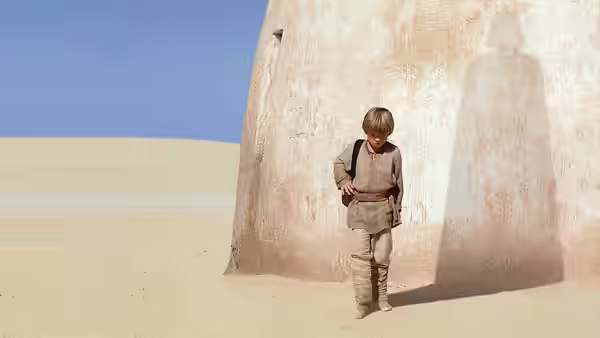
Jake Lloyd has a harder job still as Anakin Skywalker, because Lucas places so much importance on a child without giving him enough interesting things to say. The performance can be wearing, but blaming the child for the dialogue would conveniently excuse the adult who wrote and directed it. Ahmed Best’s Jar Jar Binks at least provides a different rhythm. The broad comedy grows tiresome through repetition, and it is asked to supply more warmth than it can manage.
Gavin Bocquet’s production design gives Coruscant the scale of a city worth exploring, and the otherworldly settings keep offering something new to inspect. David Tattersall’s cinematography is less consistently helpful to the people occupying them. In the busier images, faces struggle to hold our attention against all the surrounding visual activity. The effects work is often impressive, but admiring the surroundings becomes a distraction when a scene needs us to listen to somebody.
Paul Martin Smith and Ben Burtt’s editing works much better in the podrace, where movement supplies an urgency missing from so many conversations. We were thrilled by it. The speed and danger gave us a reason to care about Anakin that did not require another explanation. It is a substantial pleasure, though the contrast makes the sluggish stretches elsewhere harder to excuse.
John Williams is another reason to stay with it. His music for the lightsaber duel, Duel of the Fates, gives the fighting a gravity that the dialogue has struggled to establish. The sequence can be enjoyed without untangling every preceding explanation, which is a relief. Williams provides a sense of danger and consequence, and the action is strong enough to deserve the music.
Space adventures need companions whose company is worth keeping between the dangerous bits, and Neeson cannot do that job for the entire cast. Lucas’s direction too often leaves the others stranded in solemn exchanges or broad comedy, with little chance to establish a personality. The race and the duel are good enough to explain the film’s defenders, but they do not make the intervening stretches rewarding. Approach it only if an elaborate action sequence is worth a long wait.