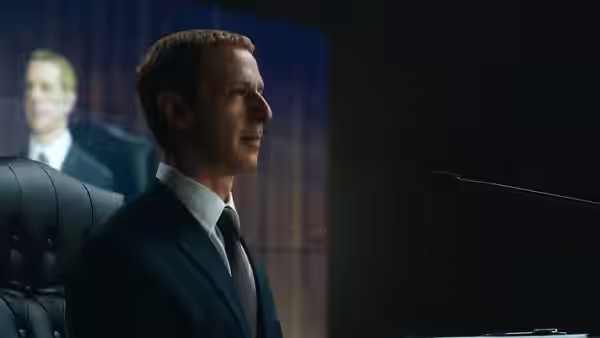
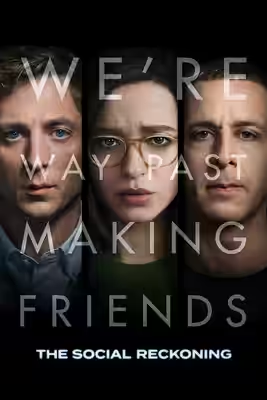
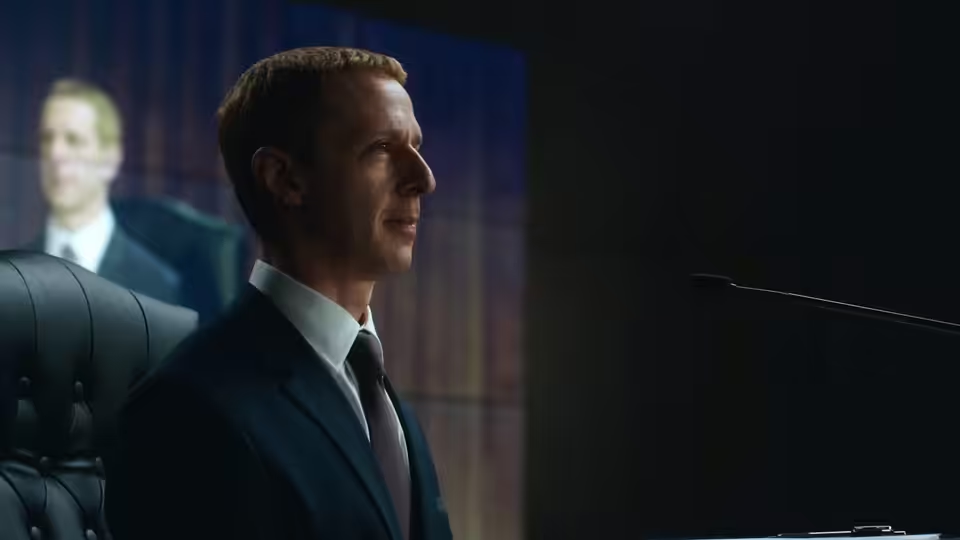
Mark Zuckerberg (Jeremy Strong) faces a presentation screen in a dim conference room
Film review

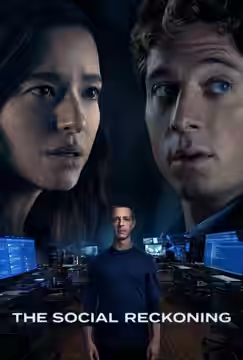
The Social Reckoning

2026 · Directed by Aaron Sorkin · 1h 52m · MPA R

In a sentenceEvil puppet Zuckerberg attempts to take over the world

The Social Reckoning dramatizes the real events behind the 2021 Wall Street Journal “Facebook Files” exposé. It centres on Facebook data engineer Frances Haugen, who joins the company’s Civic Integrity team in 2019. Idealistic about Facebook’s original mission of connecting people, she grows alarmed by internal evidence that leadership—under Mark Zuckerberg—prioritizes engagement, revenue, and algorithmic amplification of divisive “rage bait,” misinformation, hate speech, and extremism over user safety. This includes documented harms such as the radicalization of users and negative effects on teen mental health via Instagram. A key personal motivator is witnessing a formerly progressive acquaintance (Kayleigh) become radicalized through far-right content on the platform.

Plays from YouTube when you press play; nothing loads from them until then.

Fi1m review

A whistleblower thriller that treats Mark Zuckerberg as a remote force of nature and the algorithm as a settled fact.

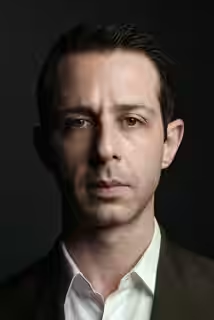
Aaron Sorkin has returned to the scene of the crime, only this time he’s both the writer and the director, and the crime has already been committed. Where The Social Network treated Mark Zuckerberg as a fast-talking, slightly tragic prodigy who built something he couldn’t fully control, this film treats him as a remote, slow-moving force of nature who knows exactly what he’s doing and mostly doesn’t care. Jeremy Strong plays him as a man who has learned that the less he says, the more the world rearranges itself around him. He sits and stands like someone who has outsourced almost every human response, and the performance is the most interesting thing in the film.

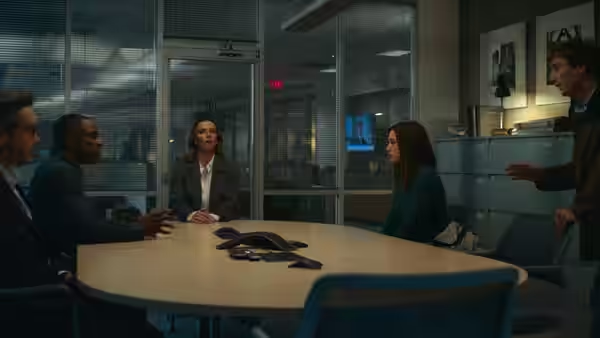
The actual story belongs to Frances Haugen and Jeff Horwitz. Haugen, a data scientist inside Facebook, starts feeding internal documents to a Wall Street Journal reporter after she watches the company deliberately amplify content that keeps people angry. Mikey Madison plays her as someone who is both furious and exhausted; she doesn’t get many grand speeches, just a series of increasingly clear decisions. Jeremy Allen White’s Horwitz is the opposite of a film journalist: careful, a little dull, and stubborn. Their scenes together are the ones that move. Everything else is setup.

Sorkin still writes the way he writes. People finish each other’s sentences, then undercut them, then restate the point more cleanly. It can be funny. It can also make every character sound like they went to the same graduate seminar. When the film puts Haugen in an evening dress for a secret meeting so she “looks like she’s on a date,” the choice feels less like a practical disguise and more like the film remembering it has a female lead. When Horwitz later tells her to be less mean, it lands strangely, because “mean” is just the default setting of the dialogue.

The film is set in the run-up to and immediate aftermath of the Capitol riot. It shows Facebook’s role in feeding the frenzy and then refuses to name the political movement involved. The closing titles admit that political ads are still not fact-checked. By the time you leave the cinema, the company has not been meaningfully changed, the algorithm has not been meaningfully changed, and the world outside the film has moved further in the direction the characters were warning about. The film knows this and still ends on a note that feels like the work is done.

It moves. Strong is strange in a useful way. Madison is clear. The rest is a well-made argument that arrives after most of the damage has already been done and declines to look very hard at what came next.

Critical consensus AI synthesised

53
Positive
10
Mixed
7
Negative
12

The reviews split almost down the middle, leaning slightly negative, and nearly every critic measures the film against The Social Network and finds it the lesser work. Where they agree is on Mikey Madison, whose performance as whistleblower Frances Haugen is praised by admirers and detractors alike. Her scenes with Jeremy Allen White draw the next most consistent approval, along with Sorkin’s dialogue, which even the harsher notices concede is lively.

The complaints cluster on timing and direction. Many say the film’s revelations about Facebook are already public, so it plays as a postmortem rather than an exposé, and several find Sorkin’s direction flat where Fincher’s was not. Jeremy Strong’s Zuckerberg divides them: The Guardian and NME admire the impersonation, IndieWire and The AV Club call it lifeless. The spread is wide, from Deadline’s warm endorsement to The Wrap’s dismissal, with the trades kinder than The New Yorker, Los Angeles Times and Variety.

Empire
7 October 2026 · Dan Jolin
75*

Jolin finds the film compelling and engaging, despite its lack of Fincher’s visual verve. He praises Mikey Madison’s brittle, empathetic performance and the witty dialogue.

Read the full review →
The Hollywood Reporter
7 October 2026 · David Rooney
75*

Rooney finds the film sharp and engrossing, though its bluntness and occasional self-righteousness can intrude. He especially praises Mikey Madison’s stirring performance as a whistleblower whose faith in Facebook gives way to disillusionment and courage.

Read the full review →
The i Paper
9 October 2026 · Emily Bootle
70*

Bootle finds the film a chilling, darkly tense account of Big Tech’s social damage, while noting how readily audiences become numb to its revelations. She praises its investigative-journalism approach and triumphant closing suggestion that people can reclaim some of their attention.

Read the full review →
Screen Daily
7 October 2026 · Nikki Baughan
68*

Baughan finds the film a solid, incisive drama that plays it safe and loses force because its revelations are already public. She praises Sorkin’s whip-smart screenplay and the chemistry between Mikey Madison and Jeremy Allen White.

Read the full review →
Vulture
7 October 2026 · Bilge Ebiri
65*

Ebiri finds the film modest compared with its predecessor but still entertaining and worthwhile as a reminder of social media’s damage. He praises Sorkin’s lively, confrontational dialogue, while faulting the awkward climactic recreation of January 6.

Read the full review →
The New York Times
8 October 2026
64*

The article text is inaccessible, so the critic’s verdict cannot be determined. No praise or complaint can be identified from the available page.

Read the full review →

Straight answers AI written, from our review

Is The Social Reckoning worth watching?
The Social Reckoning is a film we have not yet reviewed, so we can offer no verdict on whether it is worth watching. Aaron Sorkin writes and directs, with Mikey Madison as Frances Haugen, Jeremy Allen White as Jeff Horwitz and Jeremy Strong as Mark Zuckerberg, but strong names are not evidence of a good evening. Until we have seen it, we will not pretend otherwise.
How long is The Social Reckoning, and what is it rated?
The Social Reckoning runs 1h 52m and is rated R by the MPA in the US. It is a drama and history film.
Where can I watch The Social Reckoning in the US?
The Social Reckoning is available to buy from Amazon Prime Video from $24.99. Availability is checked daily; the links above go straight to each service.
How violent or frightening is The Social Reckoning, and is it suitable for children?
The Social Reckoning carries a UK 15 certificate, so it is not suitable for children and is intended for viewers of fifteen and over. The subject is a corporate whistle-blower, which suggests adult language and themes rather than physical violence, but we have not seen the film and cannot say what it contains beyond what the certificate implies.
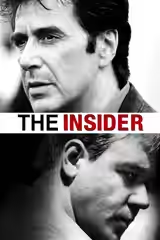
How does The Social Reckoning compare to The Insider?
The Insider is the film we can vouch for and The Social Reckoning is not, because we have not yet reviewed the Sorkin film. Michael Mann's tobacco whistle-blower thriller is patient and gripping, and Russell Crowe makes the personal risk weigh heavily, though it sometimes labours its points. Both concern the cost of speaking publicly against a powerful company; only one has earned our recommendation so far.
What should I watch after The Social Reckoning?
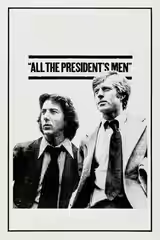
After The Social Reckoning, try The Insider (1999, Fi1m 89): Corporate pressure and the personal cost of speaking publicly drive this patient thriller. Then All the President's Men (1976, Fi1m 90): For the painstaking business of checking facts before anyone dares publish them; and Official Secrets (2019, Fi1m 68): A British whistleblowing drama attentive to conscience, legal jeopardy and institutional pressure.

Cast

If you liked this, try…

  1. The Insider (1999, Fi1m 89)Corporate pressure and the personal cost of speaking publicly drive this patient thriller.

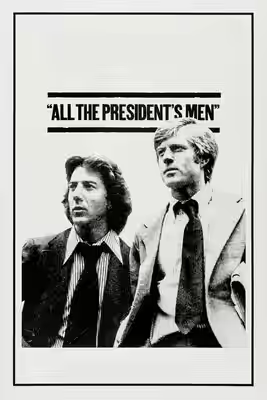
  2. All the President's Men (1976, Fi1m 90)For the painstaking business of checking facts before anyone dares publish them.

  3. Official Secrets (2019, Fi1m 68)A British whistleblowing drama attentive to conscience, legal jeopardy and institutional pressure.

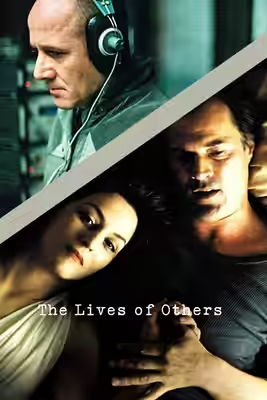
  4. The Lives of Others (2006, Fi1m 84)Surveillance becomes painfully personal in a drama about watching and taking responsibility.

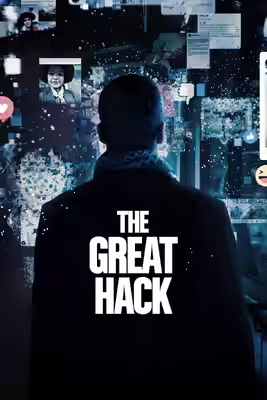
  5. The Great Hack (2019, Fi1m 65)A documentary examining personal data, political persuasion and the power of technology companies.

Free account

Know what to watch tonight

Two lists that know where things are streaming, collections you can share, your own score beside ours, and Discover that remembers what you have seen.

  • Want to see, sorted by what is streaming now
  • Seen, with your score out of ten
  • No adverts, ever