Michael Mann makes a gripping thriller out of a tobacco whistle-blower’s struggle to be heard. Russell Crowe gives the personal risks real weight, though the film occasionally labours points it has already made.
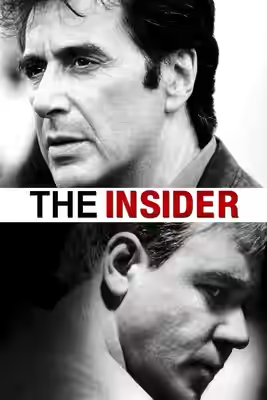
Michael Mann makes the business of getting a tobacco whistle-blower’s story on television feel dangerous at almost every stage. The Insider is a gripping, humane thriller, with one reservation: its solemnity sometimes makes a long film feel longer. The stakes remain clear because Mann keeps returning to the people who must live with the decision to speak. Money and institutional power matter here, but Russell Crowe makes the possibility of personal ruin matter more.
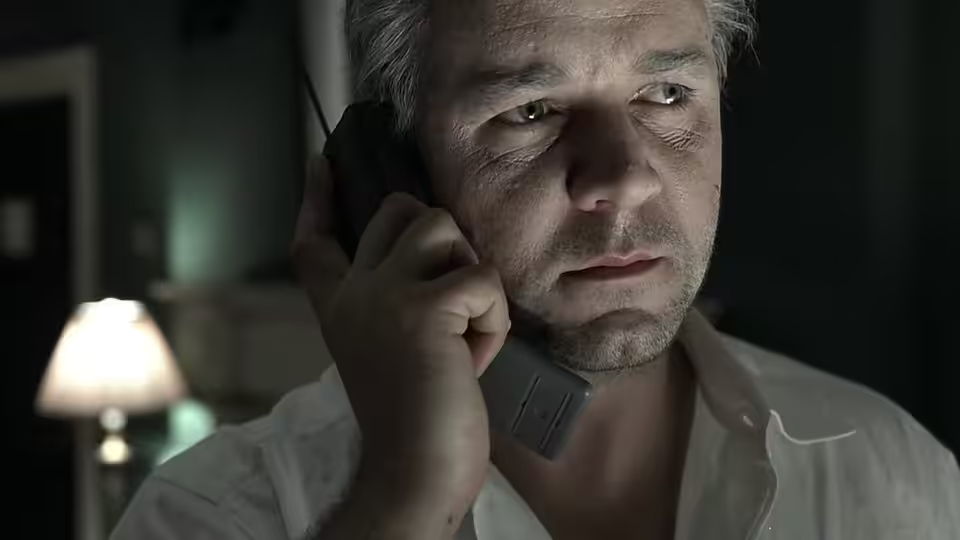
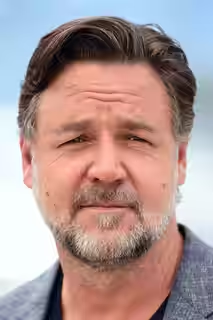
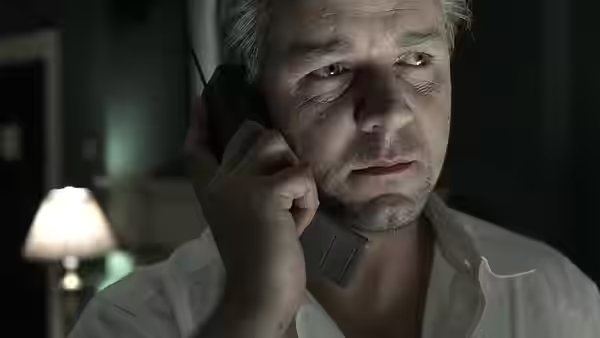
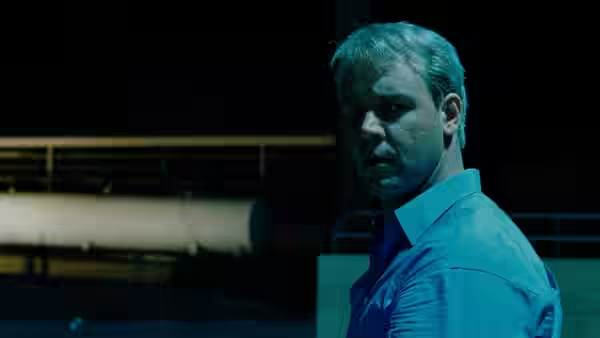
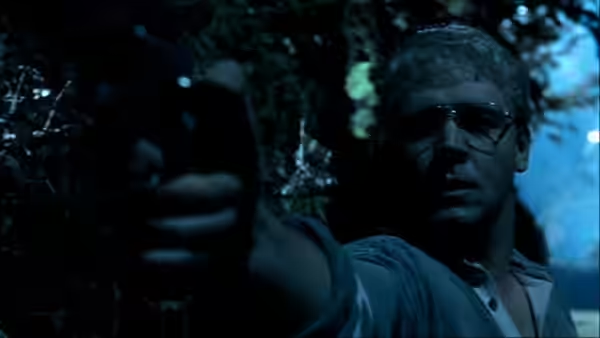
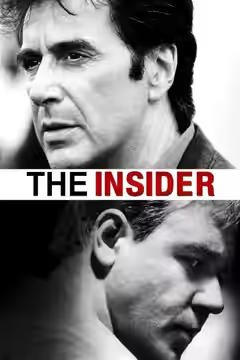
Crowe plays Jeffrey Wigand, whose knowledge draws the attention of television producer Lowell Bergman, played by Al Pacino. There is something difficult and unaccommodating about Crowe’s performance, and it saves Wigand from becoming a ready-made example of courage. We were frightened for him. Crowe makes the strain of facing corporate pressure so palpable that speaking publicly begins to look reckless. We do not need Wigand to be agreeable before we care what happens to him.
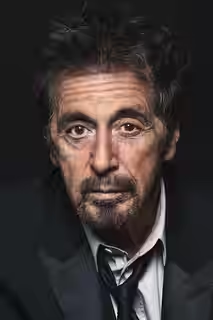
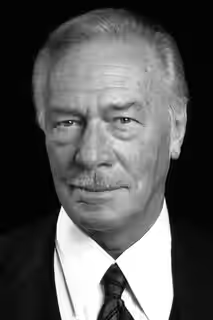
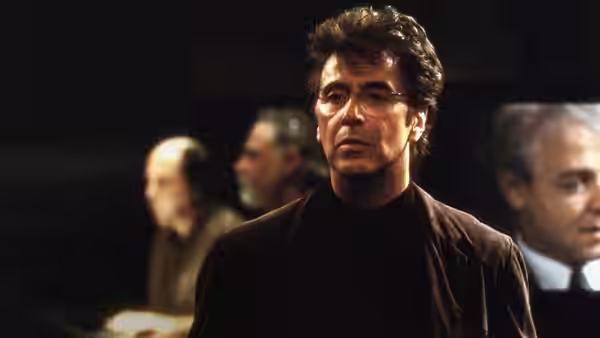
Pacino makes Bergman’s determination persuasive without allowing his professional purpose to explain away every doubt. In a story about journalistic ethics, that matters; an actor who seemed certain of his own goodness would remove much of the interest. Christopher Plummer, as Mike Wallace, brings a sharper, more guarded authority to the television side of the film. The three actors make it possible to follow the professional dispute while remaining interested in what it costs each man.
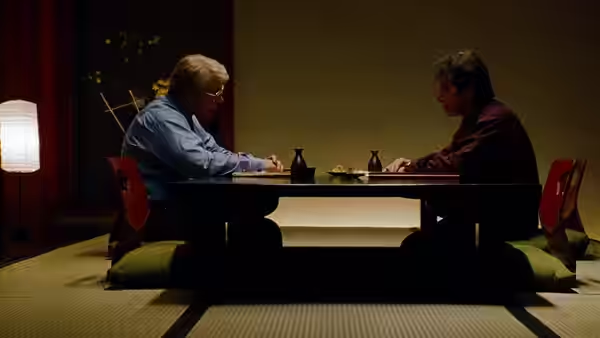
Dante Spinotti’s cinematography gives ordinary surfaces and spaces an intensity that can be unsettling before anyone has explained the danger. His moody lighting and carefully weighted compositions keep the human figures vulnerable within their surroundings. Brian Morris’s production design keeps those surroundings recognisably ordinary, which makes the pressure inside them easier to believe. Occasionally the scrutiny feels excessive, as though each mundane detail has been asked to announce that something important is happening.
The editing, by David Rosenbloom, William Goldenberg and Paul Rubell, finds suspense in the stages of getting a story told. We are kept aware of how a professional decision can bear down on a particular person, which gives procedural detail a reason to occupy the screen. Lisa Gerrard and Pieter Bourke’s score supplies a persistent unease, helping the stretches of talk retain their tension. The accumulated pressure does most of the work that a more conventional thriller would give to physical action.
The weakness is Mann’s reluctance to let a smaller moment remain small. At 158 minutes, the film has room to examine its choices, yet some scenes carry more weight and take more time than their contents justify. The screenplay by Eric Roth and Mann is attentive to the complications of exposing corporate wrongdoing; the direction occasionally insists on their importance after we have understood it. A little less emphasis would have made the ordeal sharper, without making either man’s predicament seem slight.
Within the conspiracy thriller, this is unusually interested in the practical difficulty of doing the right thing once a powerful institution has reason to object. The antagonism is clear enough, but the human response remains complicated, especially in Crowe’s performance. That gives the film its hold even when Mann overworks the suspense. Set aside an unhurried evening, and resist the temptation to do anything else while these men are talking.