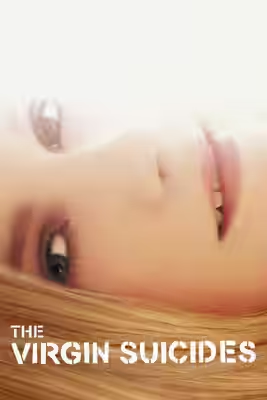
Sofia Coppola makes teenage longing painfully recognisable, helped by Kirsten Dunst and a score that encourages the daydreaming. We recommend it warmly, with a reservation: the sisters can disappear behind the boys’ fascination.
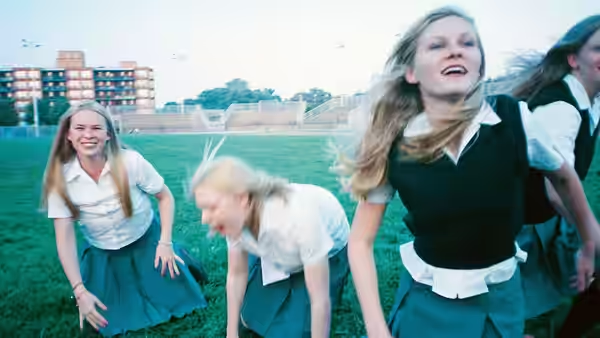
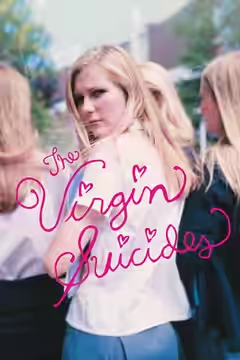
Sofia Coppola’s The Virgin Suicides understands how much adolescent longing depends on not knowing another person. The neighbourhood boys who watch the Lisbon sisters are fascinated, but they lack the experience to make much sense of the girls’ lives. Coppola, adapting Jeffrey Eugenides’s novel, takes their memories seriously without accepting that their attention gives them special insight. It is a funny, deeply sad film, although its patience with those boys sometimes leaves the sisters too far away.
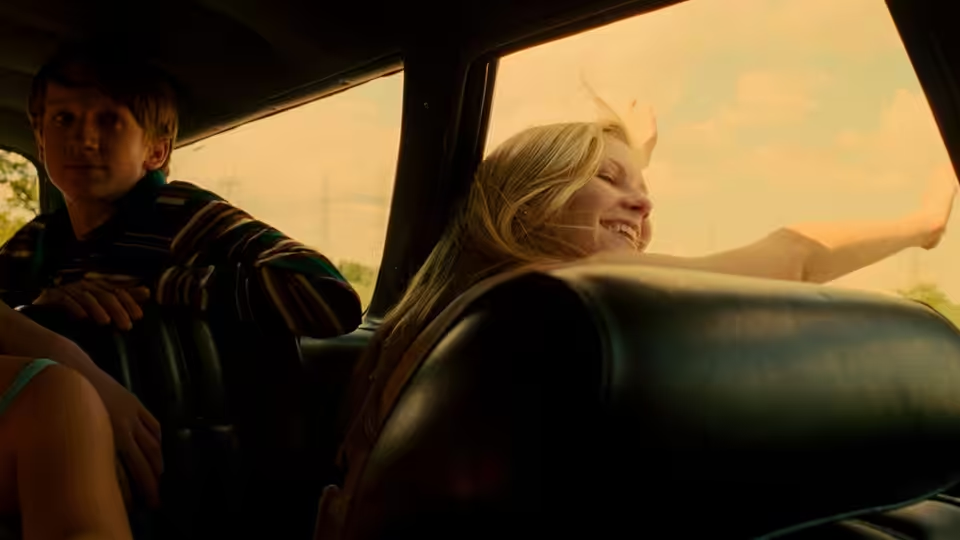
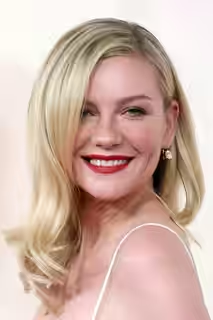
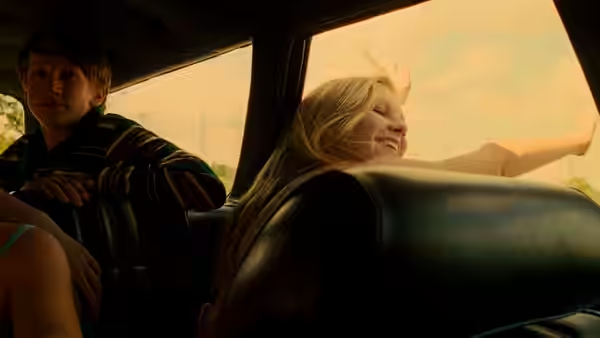
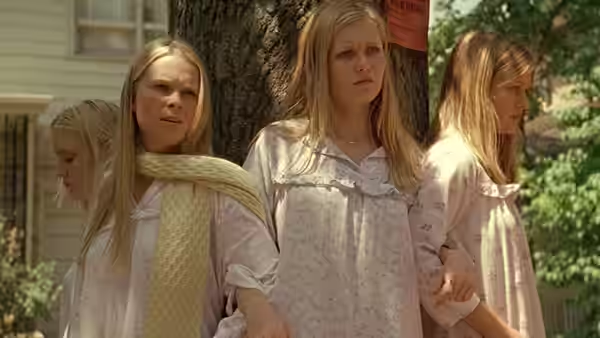
Kirsten Dunst, as Lux Lisbon, keeps that distance from becoming intolerable. She gives Lux humour and self-possession, so there is a recognisable girl here even when the boys are treating her as a mystery. We caught ourselves staring at her just as they do, and felt uncomfortable about it. Dunst makes the attraction easy to understand, while her performance keeps suggesting feelings that the boys have neither the knowledge nor the patience to recognise.
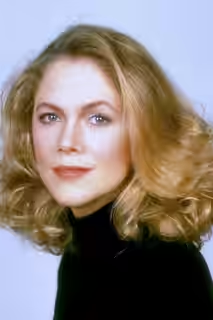
James Woods and Kathleen Turner give Mr and Mrs Lisbon a recognisable parental certainty. Their strictness belongs to an ordinary suburban household, which is what makes it disturbing; Coppola does not need them to announce themselves as villains. The social comedy matters here, allowing adult confidence to look faintly ridiculous while keeping its consequences for the girls in view. Turner in particular makes parental authority uncomfortable without asking us to enjoy despising it.
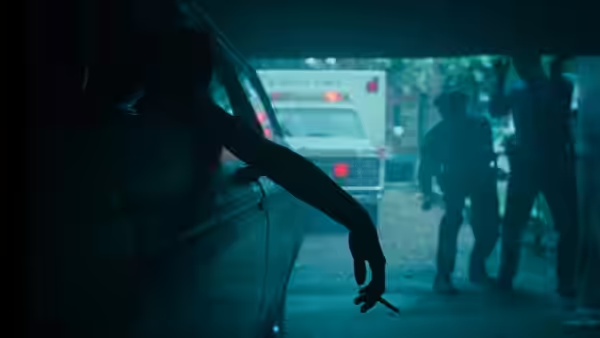
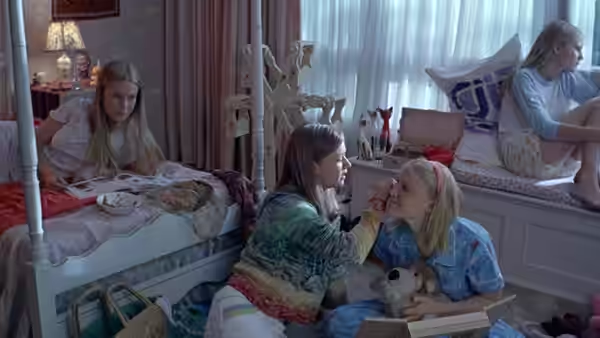
Edward Lachman’s photography helps turn the American suburb into the place the boys remember, where the girls seem almost impossible to approach. Jasna Stefanovic’s production design keeps those surroundings coherent even when the film moves into fantasy, so the imagined world still feels close to an ordinary home. Nancy Steiner’s costumes help locate the characters in the 1970s without making the clothes the main attraction. The period detail supports the recollections without becoming a distraction from the people.
The music by Nicolas Godin and Jean-Benoît Dunckel encourages that drift into daydreaming, giving the boys’ desire a seriousness they could scarcely put into words. Editors Melissa Kent and James Lyons allow the film to linger, and the relaxed pace usually helps: we have time to recognise the embarrassment in the yearning. At 97 minutes, it is not a film that needs shortening simply because little happens. Still, some passages repeat a feeling that the performances and music have already made clear.
The larger reservation is about the sisters themselves. Keeping them partly unknowable is an honest response to the boys’ limited understanding, but it also means that their differences can become hard to grasp. Lux emerges most clearly, thanks to Dunst; the other sisters are less securely established as people with separate temperaments. Coppola is right to resist a tidy explanation for unhappiness, yet we wanted to know more about the girls as individuals.
That limitation matters in a film so alert to the frustrations of being young. Compared with a conventional teenage romance, Coppola allows an unusual amount of awkwardness and uncertainty, without treating either as a joke on the young. The humour is gentle enough to make the sadness harder to dismiss. Choose it when there is time afterwards to sit quietly before putting something else on.