Abby Mann gives people time to explain away their responsibility, then asks us to consider the excuses. We rate his moral dramas highly, though the speeches can labour the point and Kojak's reassuring policeman sometimes makes difficult cases too comfortable.
Fi1m perspective
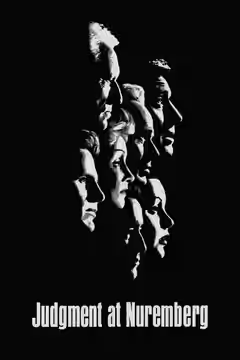
In Judgment at Nuremberg (1961), people explain away their responsibility, and Abby Mann lets them speak long enough for us to consider the excuses. We found that unsettling: the screenplay makes us examine explanations we would prefer simply to dismiss. Director Stanley Kramer gives those discussions time, while Spencer Tracy and Montgomery Clift make the questions difficult to put aside. There are speeches that repeat what we have already understood, and moments when Mann makes a troubling question sound too tidily answered.
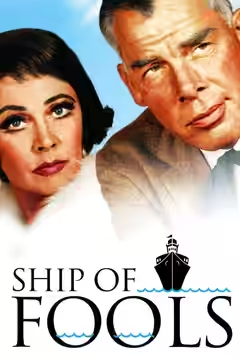
Mann came to the courtroom through 1950s anthology television, writing for Studio One and Playhouse 90. His Judgment at Nuremberg began as a 1959 teleplay for the latter before becoming Kramer's film. His work with Kramer continued on Ship of Fools (1965), adapted from Katherine Anne Porter's novel. Across his film and television writing, he repeatedly used real cases and historical events to ask how institutions treated the people at their mercy.
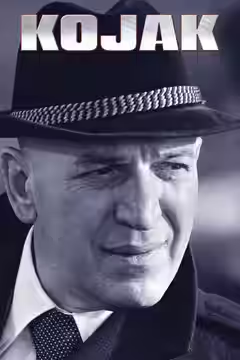
The Marcus-Nelson Murders (1973), his telefilm about police misconduct, introduced the character who became the centre of Kojak (1973). The series gives Telly Savalas a grubby New York and cases with enough moral difficulty to trouble a less reassuring policeman. Savalas is the reason we return, but his quiet authority can settle our doubts before we have properly considered them. Mann later disowned the programme as it became a more conventional police procedural rather than a criticism of corruption. We still recommend it, though we share the concern: the familiar police stories can feel too comfortable, even when the streets look convincingly rough.
Television remained his principal home through the 1980s and 1990s, with Indictment: The McMartin Trial (1995) again examining failures in the justice system. We would welcome fewer speeches telling us what decent people ought to think, but Mann's willingness to hear an uncomfortable explanation is worth returning to. His writing needs performers who can keep us doubtful after a speech appears to have settled the matter. Start with Judgment at Nuremberg, provided an evening of people arguing in court sounds like a proper use of your time.
Biography
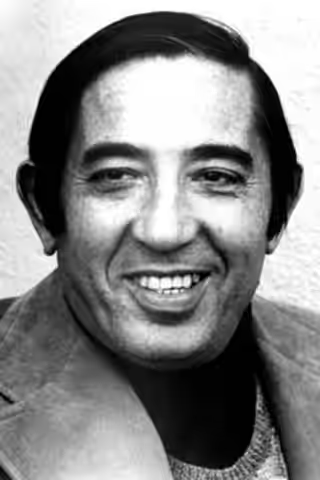
Abby Mann (born Abraham Goodman) was an American screenwriter and producer. Born in Philadelphia on 1 December 1927, he grew up in East Pittsburgh and studied at Temple University and New York University. He began his career writing for live television anthologies in the 1950s, including Playhouse 90.
Mann's screenplay for Judgment at Nuremberg (1961), originally a 1959 television drama, earned him the Academy Award for Best Adapted Screenplay. He collaborated with director Stanley Kramer on Ship of Fools (1965) and A Child Is Waiting (1963). His other screenplays include The Detective (1968) and the television film Indictment: The McMartin Trial (1995).
Mann created the television series Kojak (1973) and wrote several socially conscious television movies, including The Marcus-Nelson Murders (1973) and The Atlanta Child Murders (1985). He died in Beverly Hills on 25 March 2008.