Brian Grazer's name promises polish, pace, a decent cast and an ending that leaves you feeling better. When the subject is people doing a hard job under pressure, that produces his best work; when it is a bestseller, his worst.
Fi1m perspective
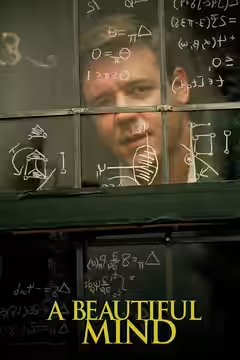
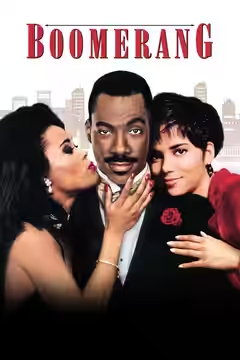
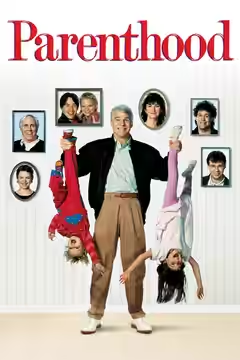
A Brian Grazer production has a look you can recognise before the titles are over. The offices are handsome, the pace never slackens, the guest stars are of a decent grade, and somewhere near the end somebody will make sure you leave feeling better than the story strictly allows. Parenthood (1989) is too eager to make everyone feel better. Boomerang (1992) goes soft the moment its hero might have to lose. A Beautiful Mind (2001) insists on being reassuring. Across four decades that is not an accident; it is a taste.
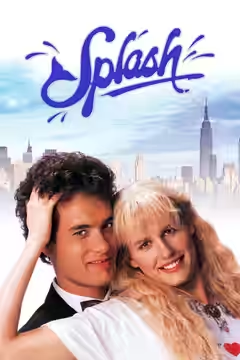
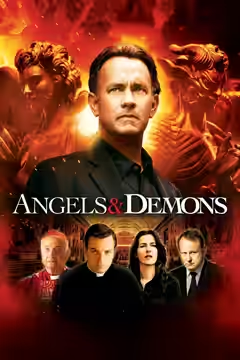
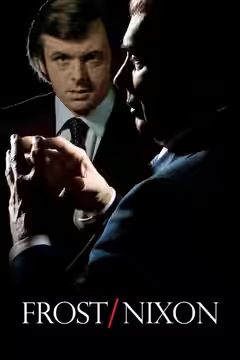
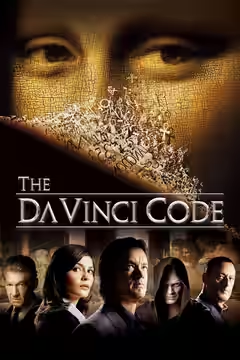
He started in television development in the late 1970s, produced Night Shift (1982) for Ron Howard, co-wrote and produced Splash (1984), and set up Imagine Entertainment with Howard in 1985. Asked what has kept the partnership going, he said, "Our taste is the same." The Howard films are the spine of his career, and they divide neatly. When the subject is people doing a difficult job under pressure, the two of them are hard to beat: Apollo 13 (1995), Frost/Nixon (2008) and Rush (2013) are tense and absorbing, though Rush over-explains between races and Frost/Nixon makes the politics too tidy. When the subject is a bestseller, the explaining takes over. The Da Vinci Code (2006) is solemn and talk-heavy, Angels & Demons (2009) is louder and sillier, and both exhausted us long before they ended.
We were gripped by Apollo 13 in a way we did not expect from a story whose outcome is a matter of record, and the reason is simple: Howard takes the technical problems and the people solving them seriously, and so we did too. That is the Grazer method at its best, a real event, a capable cast led by Tom Hanks, and a director who trusts competence to be dramatic. Hillbilly Elegy (2020), same producer, same director, is the method at its worst: earnest, repetitive and hard to care about, because the writing gives Amy Adams and Glenn Close nothing but troubles to play.
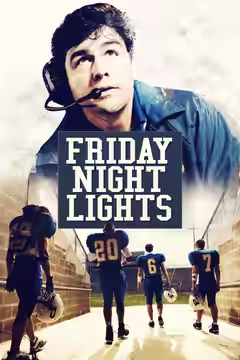
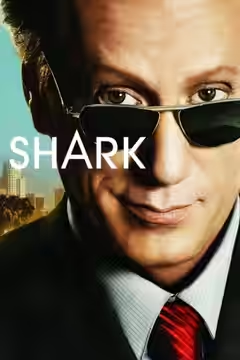
Television has been kinder to him, mostly because he has handed it to writers with voices of their own. Sports Night (1998) is Aaron Sorkin's best newsroom, fast and small enough to stay honest. Friday Night Lights (2006), which he created as a series from the 2004 film with Peter Berg and Jason Katims, is the best thing with his name on it, for Kyle Chandler's patient authority and its care with people under pressure. Shark (2006) is the same polish applied to a weekly machine for delivering James Woods to your sofa, and it fills the order and no more.
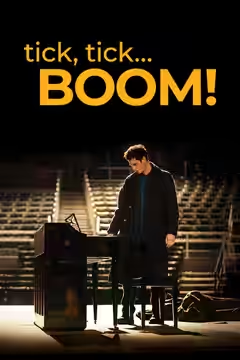
Lately he has lent that polish to other people's films: Lin-Manuel Miranda's Jonathan Larson film from 2021, hurried and more moving than it should be, and Luca Guadagnino's After the Hunt (2025), which spends 139 minutes not deciding anything. Our advice is the same as it has been since Splash. Look at the director, ask whether the story is about a job, and if the answer is a novel everyone has read, expect to be told what it means.
Biography
Brian Grazer is an American film and television producer. He co-founded Imagine Entertainment with Ron Howard in 1986. Their productions include the films Splash (1984), Apollo 13 (1995), A Beautiful Mind (2001), The Da Vinci Code (2006), Rush (2013) and After the Hunt (2025).
Grazer was born on 12 July 1951 in Los Angeles, California. He shared the Academy Award for Best Picture for A Beautiful Mind in 2002 and has received further Academy Award nominations for Splash, Apollo 13 and Frost/Nixon (2008). His films and series have received numerous Academy Award and Emmy Award nominations.