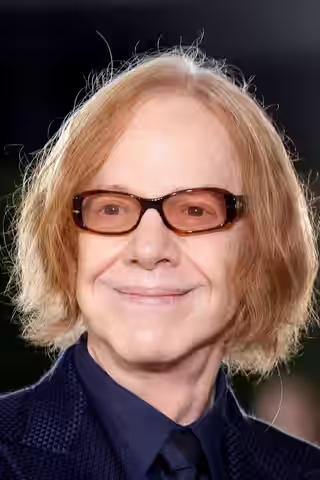
Danny Elfman makes Jack Skellington's singing feel like part of a complete performance, not an interruption. We welcome the theatrical excess, though his music sometimes gives a scene more ceremony than its story can support.
Fi1m perspective
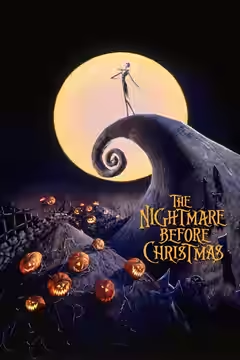
When Jack Skellington starts to sing in The Nightmare Before Christmas (1993), we do not hear a character being passed between performers. Chris Sarandon supplies the speaking voice and Danny Elfman the singing, but the switch never becomes a distraction. Elfman allows himself plenty of theatrical display without making Jack seem to have acquired a different personality. We were delighted by the songs' bustle and oddness, and by how comfortably his voice belonged among Henry Selick's animated grotesques.
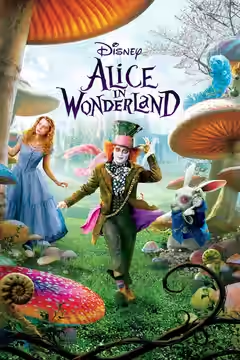
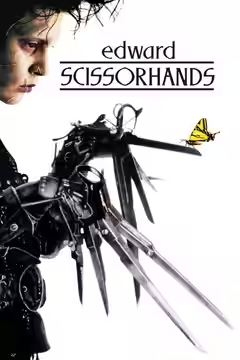
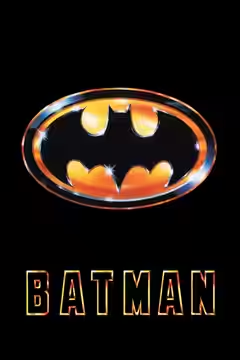
That combination of writing and performing predates the film: Elfman was Oingo Boingo's lead singer and songwriter. His breakthrough as a film composer came with Tim Burton's Pee-wee's Big Adventure (1985), beginning a long collaboration. Batman (1989) and Edward Scissorhands (1990) helped establish the orchestral scale and gothic feeling associated with his music. His angular melodies and unexpected rhythms suit characters who would be poorly served by something tidier. In The Nightmare Before Christmas, where he wrote both songs and score, the singer has ample opportunity to indulge the composer's taste for ceremony.
The reservation is that the ceremony can become excessive when there is little story underneath it. Caroline Thompson's screenplay loses momentum in the middle, and another elaborate number cannot supply the dramatic development that is missing. We wanted better reasons for the next song to begin, beyond the perfectly reasonable wish to hear Elfman again. Some melodies also fade soon after they finish. The pleasure of those numbers is in the bustle of the performance, rather than in a tune we find ourselves humming afterwards.
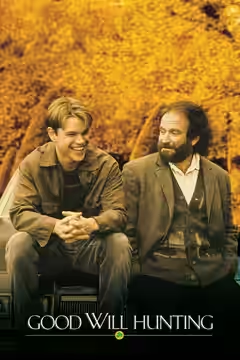
His work need not always be so busy. The more restrained score for Gus Van Sant's Good Will Hunting (1997) offers a useful counterpoint to the gothic films and a reminder that he can leave more space. But Jack gives us good reason to consider the composer and performer together. Hearing Elfman sing his own writing makes its theatrical appetite particularly clear. Start there, provided thin stretches of storytelling do not spoil a musical for you.
Biography
Danny Elfman is an American composer. Born in Los Angeles in 1953, he first came to prominence as lead vocalist and songwriter for the band Oingo Boingo before beginning film scoring in the mid-1980s.
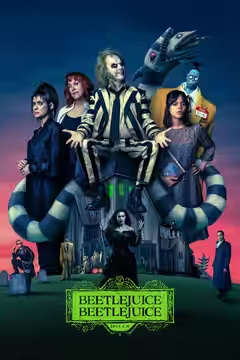
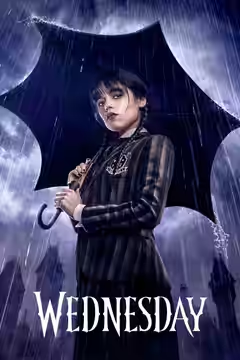
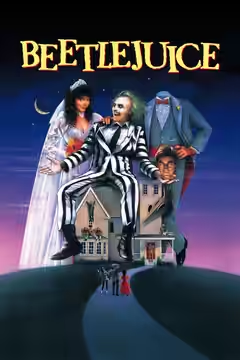
He has composed scores for over 100 feature films and numerous television series. Notable credits include Beetlejuice Beetlejuice (2024), the Netflix series Wednesday (2022), Send Help (2026) and Dead Man's Wire (2026). He has frequently collaborated with directors Tim Burton and Sam Raimi.
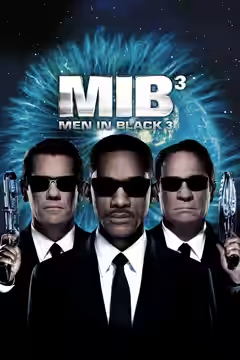
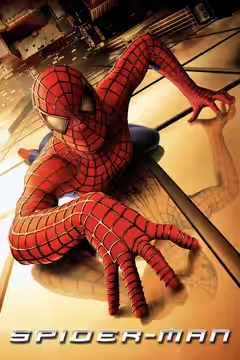
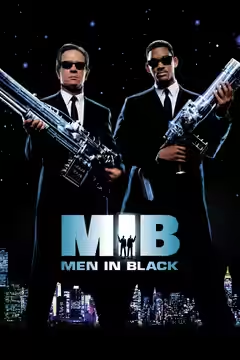
His other film scores include Edward Scissorhands (1990), Spider-Man (2002), Spider-Man 2 (2004), Men in Black (1997), Charlie and the Chocolate Factory (2005) and Good Will Hunting (1997). He has received four Oscar nominations, three Emmy Awards and a Grammy Award.