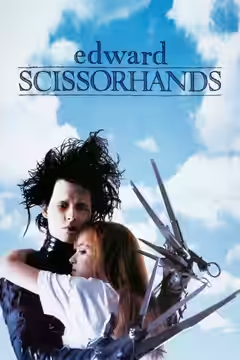
Tim Burton’s suburban fairy tale earns its tenderness through Johnny Depp and Dianne Wiest. The plotting can be blunt, but the performances and the carefully imagined neighbourhood make this an easy film to recommend.
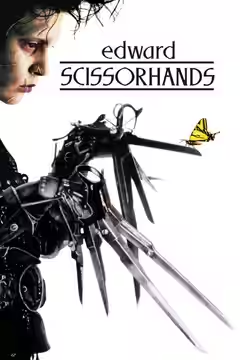
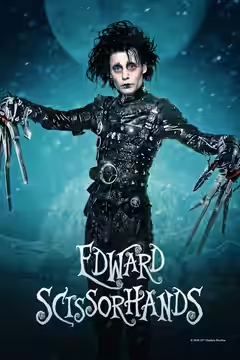
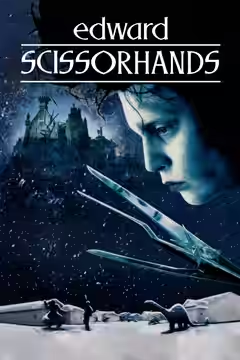
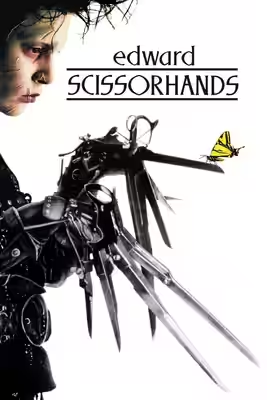
Tim Burton’s Edward Scissorhands is a tender, funny fantasy with an exceptional central performance and some blunt storytelling. Edward is an artificial man with scissors for hands, and Burton asks us to take his difficulty fitting into suburbia seriously without giving up the comedy of the situation. Caroline Thompson’s screenplay makes the need to belong easy to understand. It is less successful at giving the people around Edward much independence from the lesson they are there to teach.
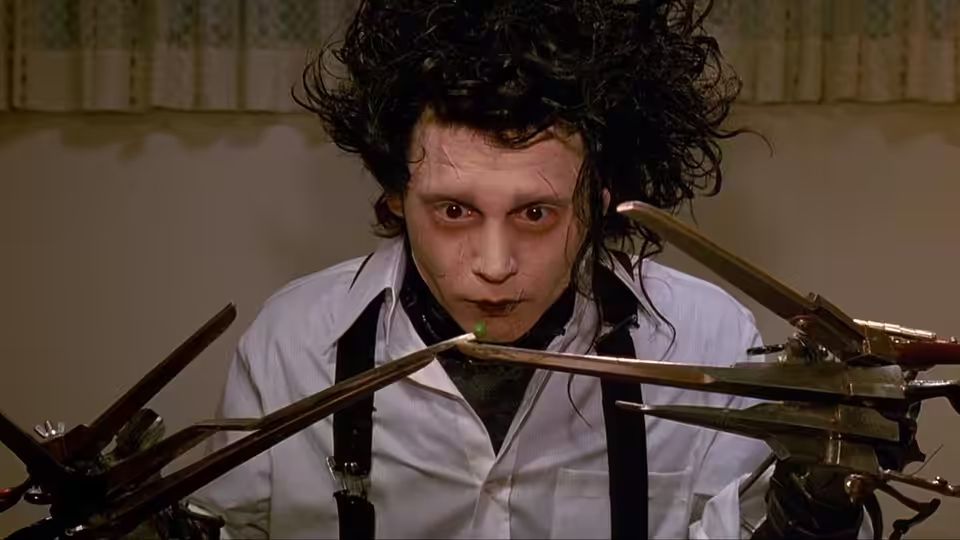
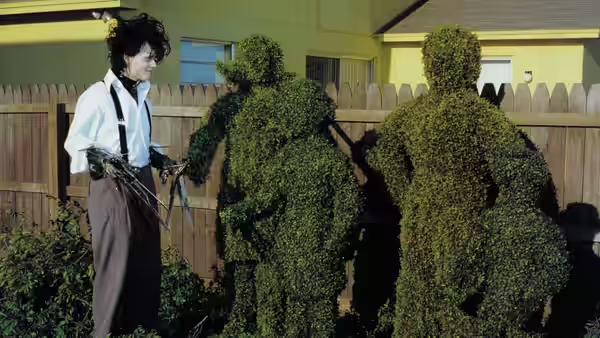
Bo Welch’s production design gives us a pastel suburbia whose tidiness already looks faintly unreasonable, even before Edward is considered alongside it. Stefan Czapsky’s cinematography makes those colours part of the joke: the neighbourhood looks inviting enough that we understand the wish to be accepted there. The hedges and hairstyles push its taste for neatness into enjoyable absurdity. Welch’s work is funny because the place remains recognisably a suburb, however far Burton exaggerates it.
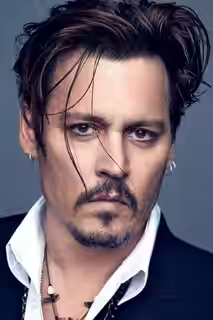
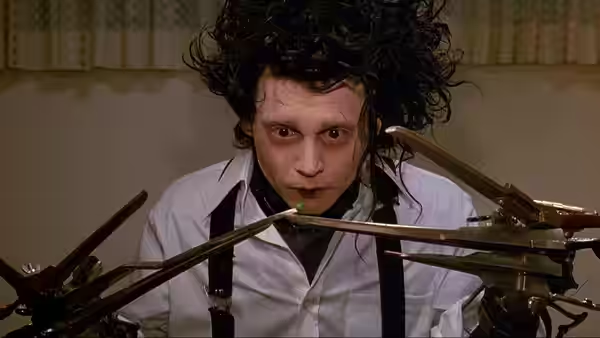
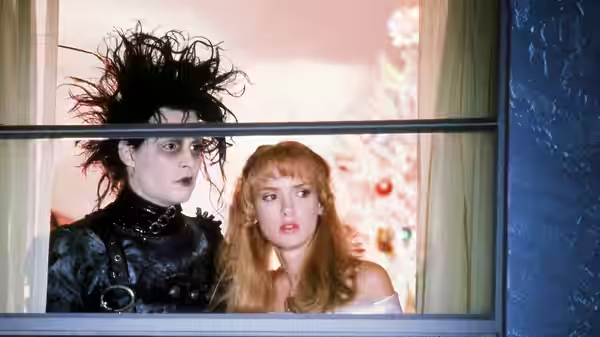
Johnny Depp gives Edward a watchfulness that stops the premise becoming a prolonged novelty act. The anxiety is there in his eyes, and he lets the effort of facing other people occupy our attention without constantly asking for pity. We were moved by how plainly those eyes show his wish to be liked. With so much of the character’s strangeness immediately visible, Depp’s restraint gives us time to notice the ordinary embarrassment underneath it.
Dianne Wiest’s Peg, the Avon representative, is an important part of why the film’s kindness feels credible. Wiest finds the comedy in Peg without treating her as an idiot, and her warmth keeps the suburban satire from souring. She gives Depp someone to act with rather than merely be looked at by. Her relaxed performance is especially welcome among the fussier comic inventions of the suburban scenes.
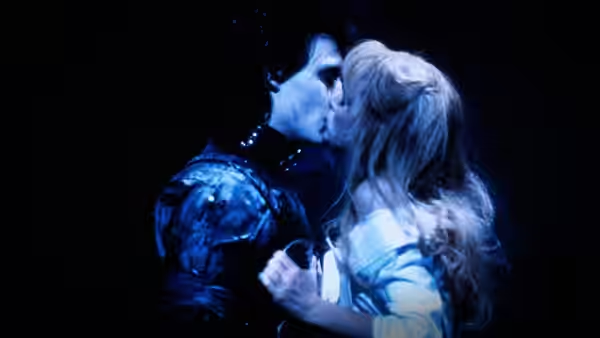
Danny Elfman’s music understands the tenderness, though its insistence can sometimes leave us wishing for a little less help with our feelings. At its most effective, it allows the romance to be taken seriously without making Edward seem less peculiar. Editors Richard Halsey and Colleen Halsey keep the visual comedy readable, giving the oddness of the suburban world room to register. The pace is less assured when the plot needs complications, but cutting alone could hardly disguise how visibly Thompson arranges them.
The limitation is Burton’s certainty about who deserves our sympathy. A fairy tale can manage with broad characters, but here the satire makes some of the neighbours too convenient, so that Edward’s innocence is repeatedly demonstrated against people given little chance to surprise us. That weakens the drama without making the central performance any less affecting. There is enough humour in the suburban fashions, and enough patience in Depp’s acting, to keep the film from becoming merely an illustrated complaint about being misunderstood.
We would recommend it for the performances and for the care taken over a world that could easily have been a collection of eccentric decorations. Burton lets the absurdity coexist with recognisable loneliness, and that is enough to earn the film’s sweetness. Anyone impatient with a story that makes its sympathies clear early will find plenty to object to. Leave a little room for sentimentality tonight.