James L. Brooks writes people who would rather be right than liked, puts them in a room together and lets them talk. The talk is among the best in American comedy; the trouble is how much he forgives them by the end.
Fi1m perspective
Somebody in a James L. Brooks script says a clever thing, and it lands on somebody else, and it hurts. That is the habit. In Broadcast News (1987) the newsroom wisecracks have victims. In Terms of Endearment (1983) Aurora Greenway and her daughter can be irritated and funny in the same conversation and neither apologises for it. Brooks does not tidy his people up before letting us meet them, which is why the comedy is sharp and why the feeling, when it arrives, has a chance of being believed.
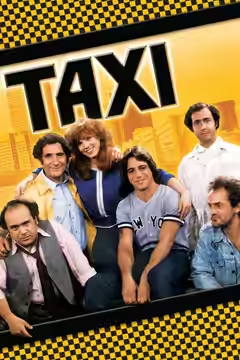
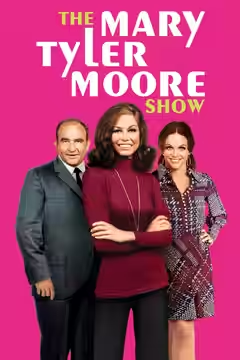
The habit comes from television, and before that from a newsroom. Brooks began as a copyboy and writer at CBS News in New York in the mid-1960s, moved to Los Angeles in 1965, and with Allan Burns co-created Room 222 (1969) and then The Mary Tyler Moore Show (1970). That series gave Mary Richards a career and a private life and treated neither as a temporary arrangement, and its scripts let the actors disagree without a lecture attached. Taxi (1978) followed. He moved into features with Terms of Endearment, then Broadcast News, co-developed The Simpsons (1989) from The Tracey Ullman Show shorts, and made As Good as It Gets (1997). Later he directed Spanglish (2004) and How Do You Know (2010), which critics found uneven in tone; we have not reviewed them.
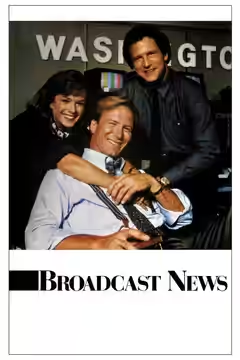
What works is the talk and the casting. Holly Hunter, William Hurt and Albert Brooks in Broadcast News are people who discuss work to avoid discussing themselves, and Richard Marks cuts their exchanges so the jokes stay brisk and still sting. Jack Nicholson has made four films with Brooks and is used best where he meets equal force: against Shirley MacLaine in Terms of Endearment, neither of them willing to let the other have the last word. In As Good as It Gets we laughed at Melvin Udall's tirades and then felt uneasy about how quickly his cruelty had become part of the entertainment. The precision of the lines accounts for both reactions, and Brooks knows it.
What does not work is the ending, again and again. Brooks lets his people be unpleasant scene by scene, then the plot asks us to accept that they have changed more than the scenes have shown. Melvin gets a little nicer and the film treats it as a transformation. The back-stabbing in the Washington bureau is real, and then the romance takes the discomfort away. The music is the tell: Bill Conti in Broadcast News and Michael Gore in Terms of Endearment both push us towards a tenderness the actors had already supplied. Both films run past 130 minutes and would survive a firmer cut.
Start with Broadcast News, then The Mary Tyler Moore Show. When the score swells, watch the actors instead; they have usually done the work already.
Biography
James L. Brooks is an American writer, producer and director. He co-created the television series The Mary Tyler Moore Show (1970) and Taxi (1978), and co-developed The Simpsons (1989), on which he is credited as writer and executive producer.
Brooks founded Gracie Films and directed the feature films Terms of Endearment (1983), Broadcast News (1987) and As Good as It Gets (1997). He has also produced films including Big (1988), Jerry Maguire (1996) and The Simpsons Movie (2007).
He received three Academy Awards for Terms of Endearment and numerous Emmy Awards for his television work.