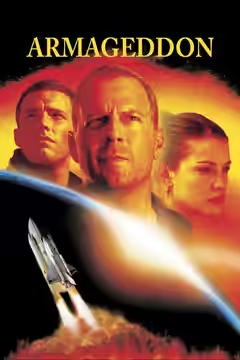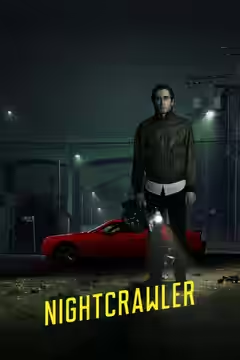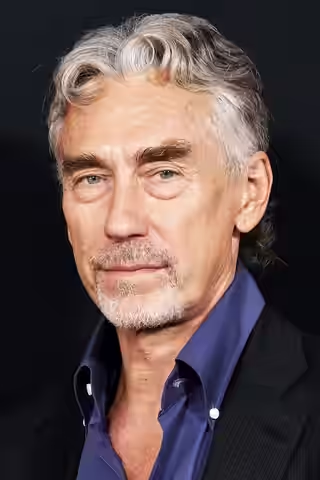
Tony Gilroy brings a welcome seriousness to spy stories and franchise worlds. We rate his attention to people highly, especially in Andor, though the plotting can rely on convenience or take too long to get going.
Fi1m perspective
In Andor (2022), rebellion begins with economic desperation and difficult personal choices. Gilroy and his fellow writers allow people time to understand what they are prepared to do, rather than handing them a stirring declaration and sending them into action. We were moved by the attention given to ordinary lives under the Empire: the writing makes the reasons for resisting it feel personal. This is the work we value most in Gilroy, and the patience is usually worth it.
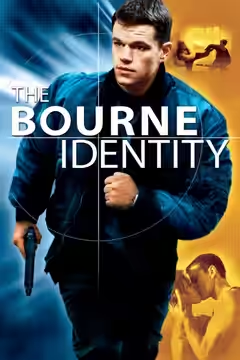
His early screenplays included The Cutting Edge (1992) and Dolores Claiborne (1995), before the first three Bourne films (2002–2007) brought him to prominence. In Doug Liman’s The Bourne Identity (2002), co-written with William Blake Herron, the pursuit is brisk but occasionally too convenient. We can feel the writers arranging the next burst of action, and the mystery advances less persuasively than the pace suggests. Matt Damon and Franka Potente supply the tenderness that gets us past those joins. It is a good thriller, but its success should not all be credited to the screenplay.
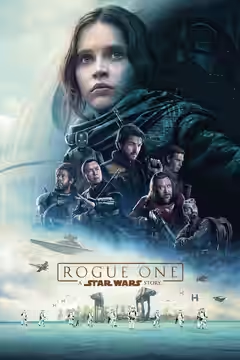
Writing and directing Michael Clayton (2007) gave Gilroy another setting for his interest in morally complicated people. He took charge of The Bourne Legacy (2012) as writer and director, expanding that series without its original lead. His writing and reshoot work on Rogue One: A Star Wars Story (2016) led to creating and running Andor. That move into long-form storytelling gave his interest in power and the people subject to it more room to develop.
The extra room is mostly well used, though it also exposes a weakness. Andor sometimes spends so long preparing its story that we begin to wonder when it will start, particularly in the opening stretch. John Gilroy and the editing team let that setup spread before the central story has enough direction; some scenes could be shorter without sacrificing the care that distinguishes the programme. Tony Gilroy’s seriousness is welcome, but it does not make every minute necessary. Start with Andor, and allow it more time than its opening quite earns.
Biography
Tony Gilroy is an American screenwriter, director and producer. He was born on 11 September 1956 in Manhattan, New York City.
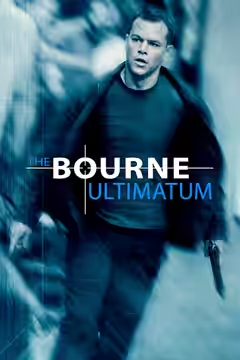
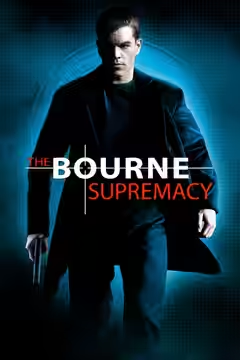
Gilroy wrote the screenplays for The Bourne Identity (2002), The Bourne Supremacy (2004) and The Bourne Ultimatum (2007). He wrote and directed Michael Clayton (2007), for which he received Academy Award nominations for Best Director and Best Original Screenplay, and The Bourne Legacy (2012). He co-wrote the screenplay for Rogue One: A Star Wars Story (2016) and created, wrote and served as showrunner and executive producer on the Disney+ series Andor (2022–2025).
He is the son of playwright Frank D. Gilroy and the brother of screenwriter Dan Gilroy and editor John Gilroy.