William Wyler is worth watching for the way he places actors together and lets difficult feelings emerge. We are less convinced by his taste for ceremony, which can keep those actors waiting to be useful.
Fi1m perspective
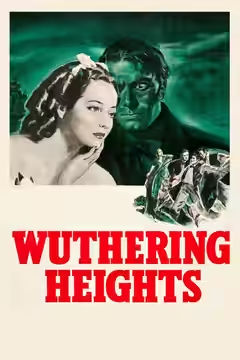
Put one person close to us and another at the end of a dark hall: Wyler knows how to make that arrangement hold our attention. In Wuthering Heights (1939), the interiors give him more to work with than the moors. Indoors, the distance between people matters; outdoors, the heather and wind struggle to disguise the set. His work with cinematographer Gregg Toland uses deep focus and long takes to keep several people present within a scene, allowing us to watch them together.
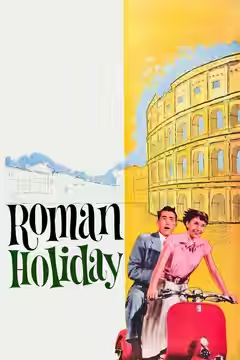
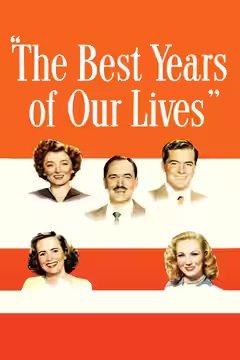
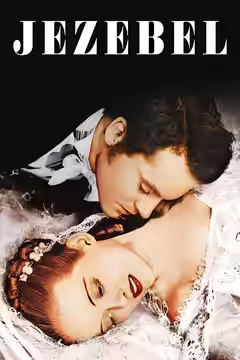
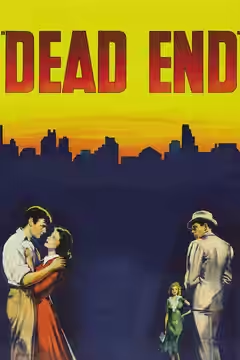
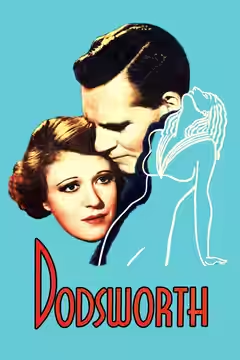
His directing career began with dozens of silent westerns from the mid-1920s, before the literary adaptations and dramas of his long association with producer Samuel Goldwyn from the mid-1930s. The post-war work includes The Best Years of Our Lives (1946), a study of veterans trying to readjust. Through the 1950s and 1960s he continued with major studio productions and star vehicles, including Roman Holiday (1953) and Funny Girl (1968). We would look to the staging, rather than the choice of subject, for what makes these films his.
His insistence on retakes to refine performances could frustrate collaborators, and care does not always guarantee restraint. In Wuthering Heights, Laurence Olivier is allowed to bark lines at the ceiling, while Merle Oberon’s Cathy never supplies all the force the story needs. We were stirred when Olivier stood still and looked at Oberon: their attraction was more persuasive than the raised voice. Wyler gets more from that look than from the louder acting around it.
Ben-Hur (1959) gives him a much larger setting, and its chariot race earns the time we give it. Charlton Heston and Stephen Boyd provide the other good reason to stay: their scenes together let feelings complicate the grand declarations. The trouble comes when the biblical story pauses for another moral lesson, delivered as though solemnity itself ought to persuade us. At 212 minutes, those repetitions matter, and the actors are left waiting for a useful exchange. Start with Wuthering Heights for the rooms and the faces; choose Ben-Hur when there is time for the speeches as well as the race.
Biography
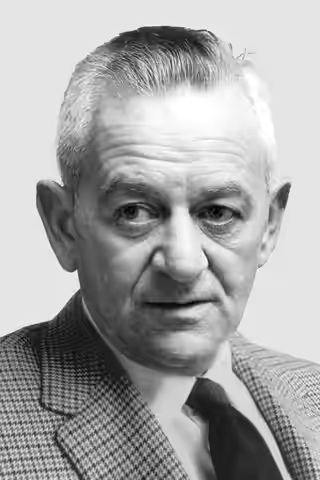
William Wyler was a German-born American film director and producer. Born Willi Wyler on 1 July 1902 in Mülhausen, Alsace-Lorraine (then part of the German Empire, now Mulhouse, France), he moved to the United States in 1920 and began working at Universal Pictures, where he directed his first films in the silent era.
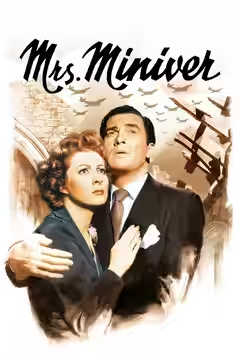
Wyler directed Wuthering Heights (1939), Mrs. Miniver (1942), The Best Years of Our Lives (1946), Roman Holiday (1953), The Big Country (1958), Ben-Hur (1959), The Children's Hour (1961), How to Steal a Million (1966) and Funny Girl (1968). He won the Academy Award for Best Director three times, for Mrs. Miniver, The Best Years of Our Lives and Ben-Hur, each of which also won Best Picture. He received a record twelve nominations for Best Director.