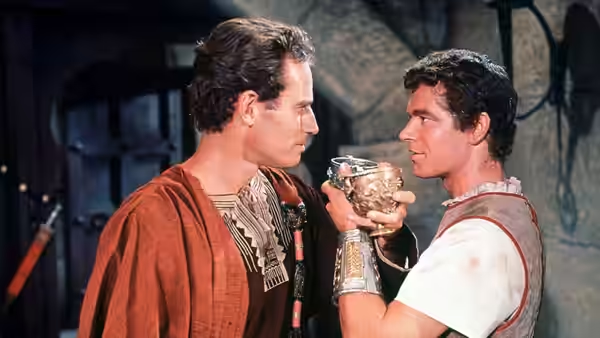
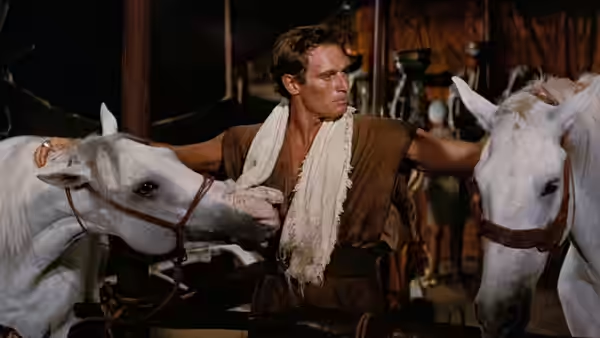
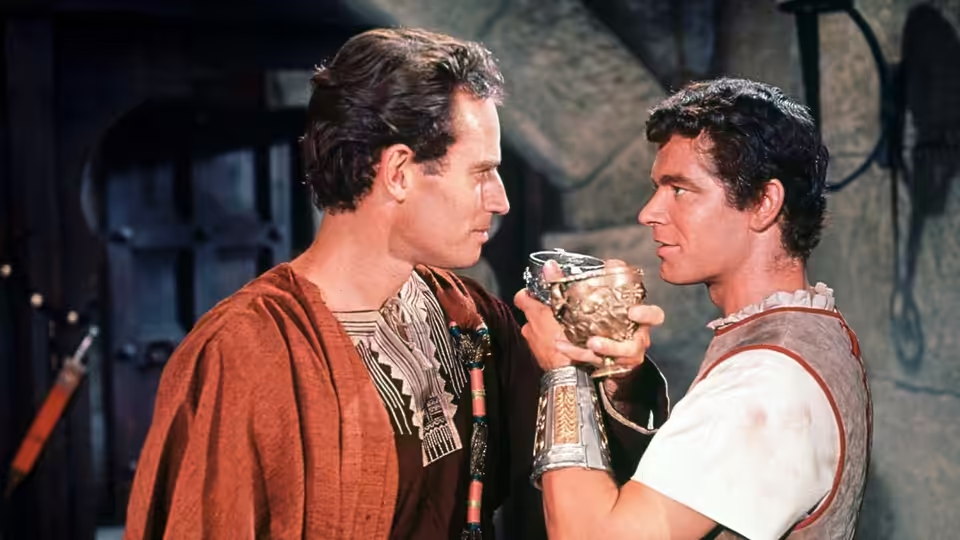
Judah Ben-Hur (Charlton Heston) faces Messala (Stephen Boyd) holding an ornate cup
Film review

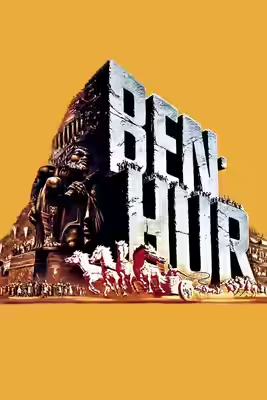
Ben-Hur

1959 · Directed by William Wyler · 3h 32m · MPA G

In a sentenceThe chariots make a persuasive case for fewer speeches

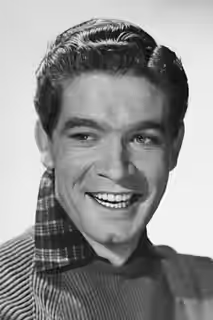
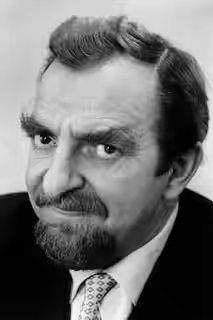
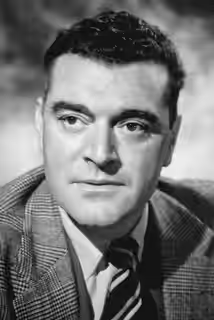
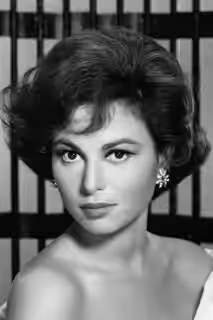
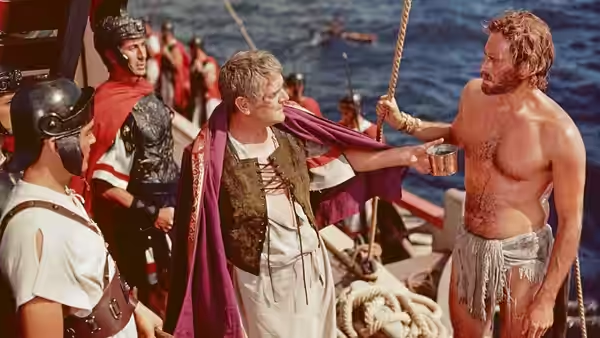
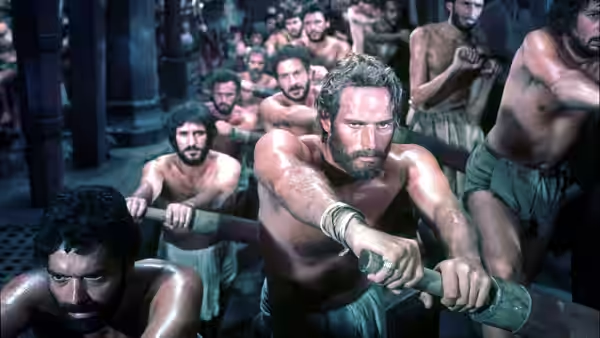
Judah Ben-Hur (Charlton Heston) reunites with Messala (Stephen Boyd) in a historical adventure that moves from personal encounters to battles and public spectacle. A Roman fleet faces an attack by Macedonian pirates, while a chariot race supplies another arena for the action. The characters around Judah include Esther (Haya Harareet), Quintus Arrius (Jack Hawkins) and Scheich Ildirim (Hugh Griffith). Martha Scott plays Miriam and Cathy O’Donnell plays Tirzah. William Wyler directs this adaptation of Lew Wallace’s novel, with a screenplay by Karl Tunberg.

Plays from YouTube when you press play; nothing loads from them until then.

Fi1m review

William Wyler’s Ben-Hur earns its long evening through the chariot race and the tension between Charlton Heston and Stephen Boyd. The solemn instruction needs more patience than the action ever does.

William Wyler’s Ben-Hur is a good historical adventure that would be better with fewer solemn speeches. Its biblical story repeatedly pauses to make sure we are taking it seriously. The people still matter, particularly when Charlton Heston and Stephen Boyd share the screen. At 212 minutes, they need to.

Heston plays Judah Ben-Hur with a formality that can look stiff, especially when the dialogue requires him to announce a feeling. Boyd gives Messala enough emotional pressure to make that reserve interesting. Their reunion has the discomfort of two people for whom meeting again matters more than either would care to admit. The attraction in their attention to one another is plain enough without the film spelling it out. These scenes give Heston something more demanding to do than look resolute.

Robert Surtees’s cinematography keeps the large-scale action readable across the wide frame. The space around the actors makes their relative positions clear, so we can take in the surroundings without losing track of the people. The grand sets occasionally threaten to dwarf the actors, yet the reunion shows how much interest two figures can carry. There is pleasure in being allowed to look across a scene instead of being hurried past its surroundings.

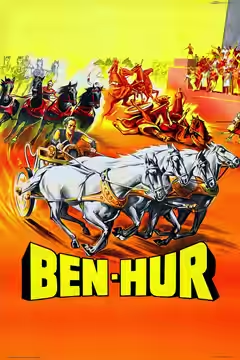
The editing by Ralph E. Winters and John D. Dunning is most convincing in the chariot race, where the sustained contest earns the attention the quieter passages sometimes demand. We were gripped by it: the horses and chariots remain clear enough for us to follow the racing, and that makes the danger register. The attack on the Roman fleet has considerable force too, with the action carrying more urgency than the speeches. Neither sequence needs a running explanation of why it matters.

Miklós Rózsa’s score understands the film’s taste for grandeur and often makes that grandeur stirring. Its weight suits the scale of the images, although the solemn mood becomes wearing when a scene is already pressing hard for reverence. That is a problem shared with Karl Tunberg’s screenplay, adapted from Lew Wallace’s novel. Too often, the words insist on the moral importance of something the drama could have left us to judge.

The difficulty is not simply the running time. The pace slackens whenever the film repeats a moral lesson, and the serious delivery makes those repetitions harder to forgive. Wyler is more engaging when the characters’ feelings complicate their grand declarations, as Heston and Boyd demonstrate together. A historical adventure can accommodate faith, melodrama and a generous amount of ceremony, but here the ceremony sometimes leaves the actors waiting for the next useful exchange.

Give it an evening when the length will not become a negotiation over bedtime. This is worth seeing for anyone with an appetite for historical adventure and some tolerance for being instructed. A break is permitted; the film’s solemnity need not extend to the sofa.
Critical consensus AI synthesised

71
Positive
7
Mixed
0
Negative
4

Most critics rate Ben-Hur highly, and nearly all of them, admirers and doubters alike, agree on one thing: the chariot race. It is named in almost every review as the film’s peak, praised for its scale, its practical staging and the thousands of extras. The sea battle draws similar admiration. Beyond the set-pieces, the positive reviews credit William Wyler for keeping the human drama in view amid the spectacle, and several praise Charlton Heston’s central performance, with Stephen Boyd also noted.

The split is wide: seven reviews positive, four negative, none in between. The dissenters find the film long, preachy and slow between its action sequences. The New Yorker thinks it better suited to children and finds Heston stiff. Time Out likens it to a Sunday school lesson and points out that the chariot race was not directed by Wyler. The Guardian and Eye for Film both argue it has not aged as well as its reputation suggests.

Radio Times
★★★★★ · Peter Freedman
100

Wyler's epic is hailed as a costly, Oscar-sweeping masterpiece with Charlton Heston at his heroic best; the chariot race stands out as one of cinema's most iconic sequences, built on an unprecedented scale.

Read the full review →
Empire
1 January 2000 · William Thomas
90*

Praises the film's unmatched grandeur and epic scale as a widescreen spectacle that still influences modern cinema. Singles out the impressive practical set-pieces like the chariot race alongside the strong central human drama anchored by Charlton Heston's performance.

Read the full review →
The Hollywood Reporter
18 November 1959 · Jack Harrison
90*

The critic calls it an extraordinary motion picture, greater than any similar film of its time and the greatest of all spectacles, while also being a highly rewarding dramatic experience rich in human values. They single out the chariot race and sea battle for their pictorial and dramatic excitement, along with William Wyler's direction that balances spectacle with character-driven storytelling.

Read the full review →
The New York Times
19 November 1959 · Bosley Crowther
90*

The critic calls the film the most stirring and respectable of Bible-fiction pictures, praising William Wyler's direction for turning spectacle into intelligent human drama and highlighting the strong performances by Charlton Heston and Stephen Boyd along with the brilliant chariot race.

Read the full review →
The Telegraph
1 January 2015
90*

The critic calls the 1959 film one of cinema's greatest blockbusters, praising its grand biblical storytelling, intelligent direction, and especially the memorable chariot race sequence with thousands of extras.

Read the full review →
Los Angeles Times
25 November 1959 · Philip K. Scheuer
85*

The critic declares the film magnificent, inspiring, awesome and enthralling overall. The chariot race stands out as an unmatched peak in cinematic action.

Read the full review →

Straight answers AI written, from our review

Is Ben-Hur worth watching?
Ben-Hur is worth watching for anyone with an appetite for historical adventure and some tolerance for being lectured, and we scored it 76. The chariot race and the scenes between Charlton Heston and Stephen Boyd earn the 212 minutes; the solemn speeches about moral importance do not. Plan for a break.
How long is Ben-Hur, and what is it rated?
Ben-Hur runs 3h 32m and is rated G by the MPA in the US. It is a history and drama film.
Where can I watch Ben-Hur in the US?
Ben-Hur is streaming on Tubi in the US. Availability is checked daily; the links above go straight to each service.
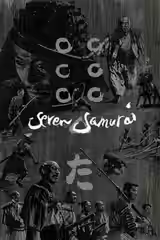
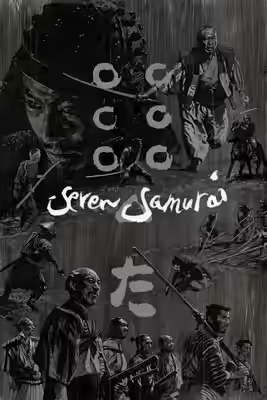
How does Ben-Hur compare to Seven Samurai?
Ben-Hur and Seven Samurai are both long historical adventures built around large set pieces, and the Kurosawa film is the better of the two. Seven Samurai makes its quiet stretches as absorbing as its fighting, while Ben-Hur keeps pausing for instruction. Choose Wyler for spectacle on a wide frame; choose Kurosawa for people you will remember.
Is Ben-Hur based on a true story or a book?
Ben-Hur is based on Lew Wallace's novel, adapted for the screen by Karl Tunberg, not on a true story. The film keeps the book's biblical setting and its taste for moral lessons, which is where we found it heaviest. You need not know the novel to follow it; the chariot race explains itself.
What should I watch after Ben-Hur?
After Ben-Hur, try Seven Samurai (1954, Fi1m 95): For patient character work that makes the large action scenes matter. Then The Passion of Joan of Arc (1928, Fi1m 94): For religious conviction made immediate through faces rather than grand scenery; and Gladiator (2000, Fi1m 84): For Roman spectacle with a more direct route through the revenge.

Cast

Awards

Academy Awards, 1960

Nominated
Best Writing, Adapted Screenplay
Won
Best Actor
Won
Best Art Direction, Color
Won
Best Cinematography, Color
Won
Best Costume Design, Color
Won
Best Director
Won
Best Film Editing
Won
Best Original Dramatic or Comedy Score
Won
Best Picture
Won
Best Sound
Won
Best Special Effects
Won
Best Supporting Actor

If you liked this, try…

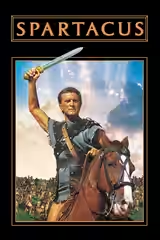
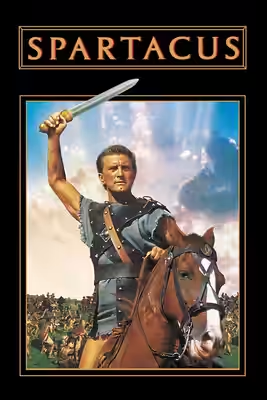
  1. Spartacus (1960) · not reviewed yetFor another large historical drama whose human loyalties justify the spectacle.

  2. Seven Samurai (1954, Fi1m 95)For patient character work that makes the large action scenes matter.

  3. The Passion of Joan of Arc (1928, Fi1m 94)For religious conviction made immediate through faces rather than grand scenery.

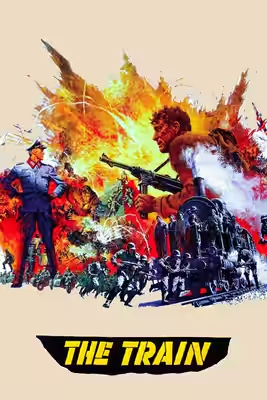
  4. The Train (1964) · not reviewed yetFor physical action whose clarity gives its moral choices more force.

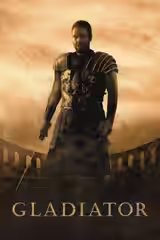
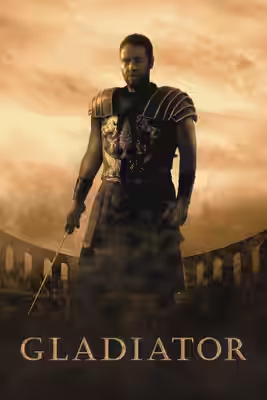
  5. Gladiator (2000, Fi1m 84)For Roman spectacle with a more direct route through the revenge.

Free account

Know what to watch tonight

Two lists that know where things are streaming, collections you can share, your own score beside ours, and Discover that remembers what you have seen.

  • Want to see, sorted by what is streaming now
  • Seen, with your score out of ten
  • No adverts, ever