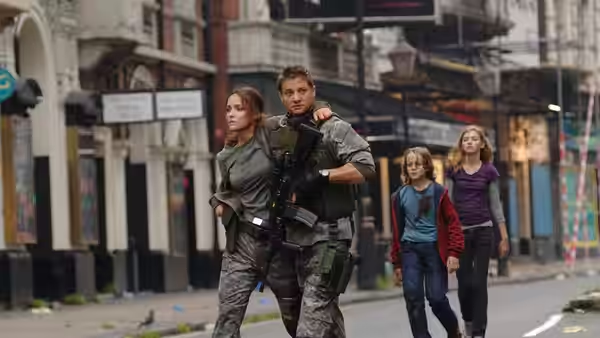
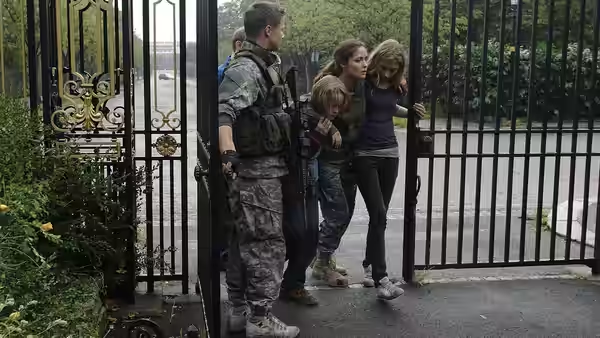
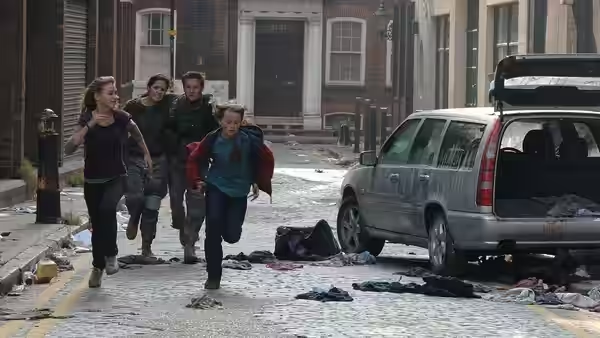
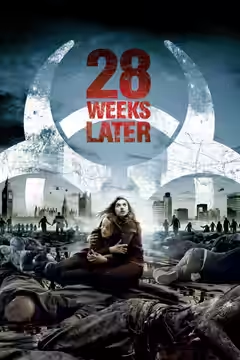
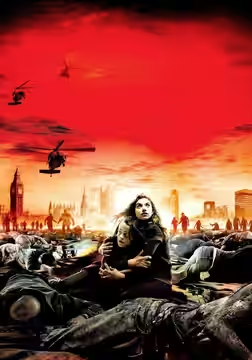
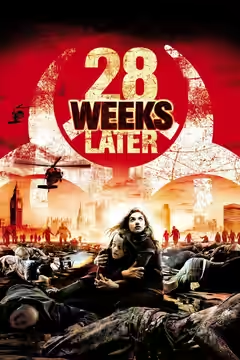
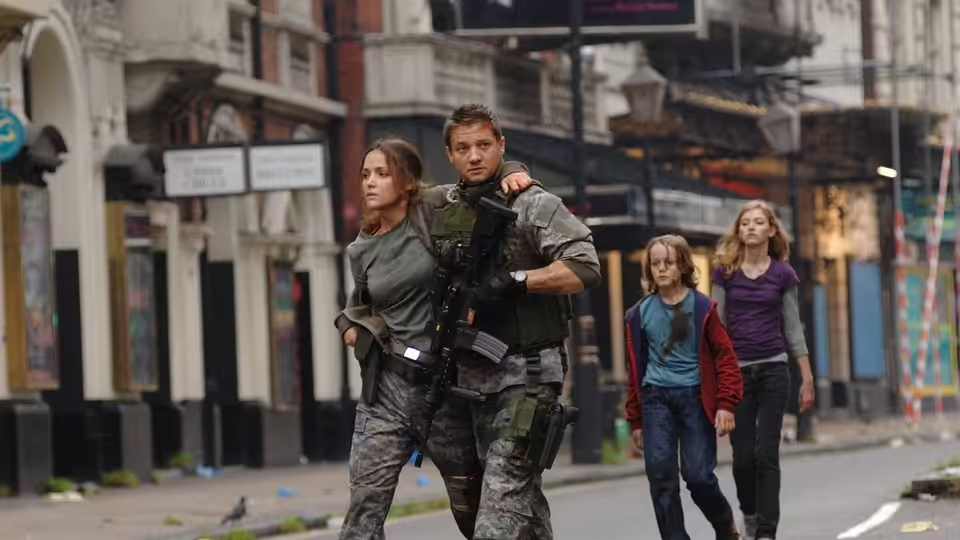
Sergeant Doyle (Jeremy Renner) walking with Scarlet and two children along a street
Film review

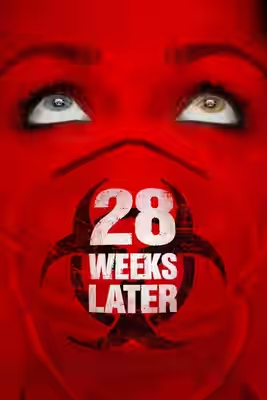
28 Weeks Later

2007 · Directed by Juan Carlos Fresnadillo · 1h 39m · MPA R

In a sentenceThe army has secured one corner of London and two children on a moped undo it before teatime

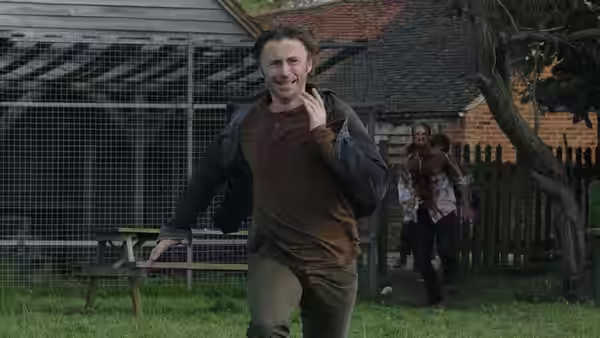
A farmhouse outside London, during the rage virus outbreak. Donald Harris (Robert Carlyle) and his wife Alice (Catherine McCormack) are hiding with a handful of strangers, eating tinned food by candlelight, when a child knocks at the door and the infected follow him in. Don runs, and leaves Alice behind. Twenty-eight weeks on, the virus has burned itself out and a US-led force has fenced off a corner of London around the Canary Wharf towers to begin repopulation. Don is caretaker there, and his children Tammy (Imogen Poots) and Andy (Mackintosh Muggleton) arrive from Spain. Scarlet (Rose Byrne), an army medical officer, and Sergeant Doyle (Jeremy Renner), a rooftop sniper, watch the new arrivals. The children want something from the house they grew up in, somewhere in the empty city beyond the wire.

Fi1m review

Juan Carlos Fresnadillo’s sequel opens with the best ten minutes in either film and spends the rest of its time trying to live up to them. It comes closer than it has any right to, though the plot asks you to look away twice.

Danny Boyle’s 28 Days Later ended with a jet overhead and the suggestion that rescue was on its way. Juan Carlos Fresnadillo’s sequel asks what rescue would look like, and answers with a fenced compound, a curfew and an American soldier on every roof. It is a good, hard, fast horror film with one of the best openings the genre has produced, and it stands or falls on whether you can forgive a plot that needs two stupid decisions. We could, mostly.

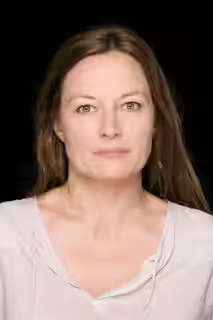
The first ten minutes are the film. A boarded-up farmhouse, tinned food by candlelight, a knock at the door nobody wants to answer. Then the infected come through the walls and Donald Harris (Robert Carlyle) makes a decision about his wife Alice (Catherine McCormack) that the rest of the film never mentions. Enrique Chediak shoots the escape hand-held and half-lit, Chris Gill cuts it so you see a face for a frame and no longer, and John Murphy’s guitar theme comes in low as Don rows away with the infected keeping pace along the bank. We were frightened in the ordinary way, and then, as the camera rose over the boat, we felt something rarer at a horror film: shame on a character’s behalf. Carlyle’s face does it. He is not looking back.

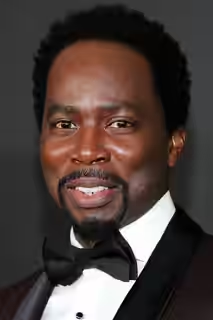
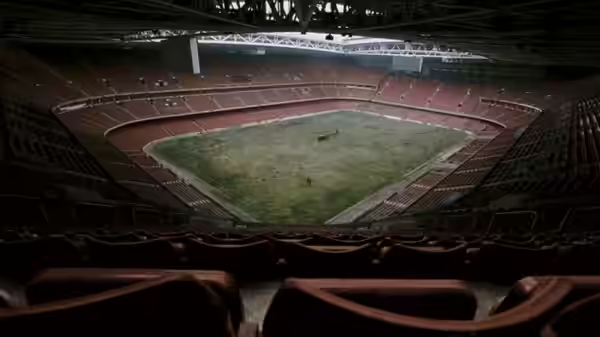
Twenty-eight weeks on, the army has taken a piece of the Isle of Dogs and called it District One. The production design, by Mark Tildesley, puts the returnees in tower-block flats with fresh paint and army-issue blankets under the Canary Wharf towers; the rest of London is exactly as it was left, cars where they stopped, grass through the pavements, nobody. Jane Petrie dresses the soldiers in desert camouflage that looks wrong against Docklands brick, which is the idea. Idris Elba’s General Stone runs it from a screen; Jeremy Renner’s Sergeant Doyle watches it through a rifle sight. Harold Perrineau flies the helicopter. Rose Byrne’s Scarlet, the medical officer, is the one person asking what happens when the wire is tested.

Then Tammy (Imogen Poots) and Andy (Mackintosh Muggleton), Don’s children, want something from the family house in the empty city, and they get out. The film has just spent ten minutes telling us the perimeter is watched by snipers with night scopes, and two children on a moped cross it in daylight. The screenplay, by Fresnadillo, Rowan Joffé, Enrique López Lavigne and Jesús Olmo, needs the children outside and does not care how they got there, and it does the same thing later when it needs two adults to change sides in one cut. Most critics have waved this through because the set pieces earn it. They do, just.

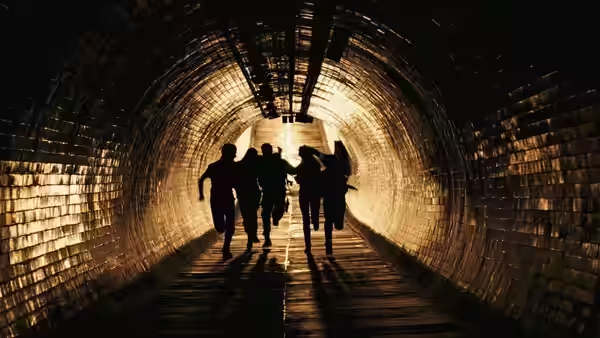
What the army does when the wire fails we will not describe, except that the second half is about being hunted by two sides, and that Fresnadillo stages it in sequences as good as anything in the first film: a room lit only by muzzle flash, a helicopter used for a purpose helicopters are not meant for, a stretch in a tube station seen only through the green of a night sight that we have not forgotten. Gill cuts these so fast that we sometimes lost who was standing where, and once who was still alive, and we are not sure the confusion was always deliberate.

In 2007, a film about an occupying army losing control of a city it promised to rebuild does not need a caption, and Fresnadillo does not add one. Where the film falls short of Boyle’s is in the people. 28 Days Later had four survivors you got to know; this one has eight characters and time for about two, and Byrne and Renner, both good, are playing jobs rather than people. Carlyle is the exception. He has perhaps twenty lines after the opening and works mostly with a face that has decided not to feel anything, and when the feeling arrives anyway it is the best acting in the film.

At 99 minutes it does not hang about. See it in the dark and forgive the moped. If you cannot forgive the moped, the first ten minutes are worth the evening.
Critical consensus AI synthesised

75
Positive
11
Mixed
1
Negative
1

Most critics like it, and the reviews agree on why: Fresnadillo keeps the grim tone and the frantic documentary-style camerawork of the original while working on a larger scale, and the deserted London locations do much of the frightening. The praise clusters on the set-pieces, the outbreak and chase sequences in particular, which several reviews call relentless and terrifying, and on the film’s willingness to read as an allegory of occupation, with the military presence making the crisis worse rather than better.
The spread is fairly wide for a film this well liked. A minority finds the plotting careless: Time Out thinks the script relies on too many fudges and neglects the moral complexity of its key characters, and The Guardian, the one outright dissent, calls a credibility-breaking glitch around thirty minutes in fatal and finds the whole thing frequently boring after a strong opening. Even admirers concede it is less fresh and less heartfelt than its predecessor.

The Hollywood Reporter
10 May 2007
90*

The critic calls it a ferociously entertaining thriller with sympathetic characters, stunning set pieces and pulsating excitement. It ups the ante on the rage virus story with explosive box-office potential.

Read the full review →
The AV Club
11 May 2007 · B+ · Scott Tobias
83

Fresnadillo directs with assured intensity that blurs genre entertainment and real catastrophe, maintaining the original's scrappy feel while escalating chaos and tension through relentless infected and societal breakdown.

Read the full review →
Empire
27 April 2007 · Kim Newman
80*

The sequel extends the story in intelligent, suspenseful ways with bigger action and more amazing deserted London sequences, though it is not quite as fresh or heartfelt as the original.

Read the full review →
Radio Times
★★★★ · Alan Jones
80

Fresnadillo's sequel retains the grim tone and sense of dread but on a more epic scale, with frantic documentary-style camerawork placing viewers at the heart of the horror. It expertly orchestrates galvanising gory action with clear parallels to Iraq in the spectacle of occupying forces exacerbating the crisis.

Read the full review →
Screen Daily
9 May 2007
80*

Superior genre fare directed and performed with gusto, it is atmospheric and creepy with excellent use of London locations and bloodcurdling chase sequences that keep the tempo high. It is an exhilarating ride despite occasional shifts in tone and improbabilities.

Read the full review →
Slant Magazine
9 May 2007 · Jeremiah Kipp
80*

The film delivers unrelenting apocalyptic doom and nihilism, critiquing the War on Terror through self-destructive authority and decimated characters while adopting a larger epic scope than its predecessor.

Read the full review →

Straight answers AI written, from our review

Is 28 Weeks Later worth watching?
28 Weeks Later is worth watching for anyone who likes hard, fast horror and can forgive a plot that twice needs characters to behave stupidly; we scored it 72. The opening ten minutes are among the best the genre has produced, and the second half stages the hunt through an empty London with real skill. It has less time for its people than the first film.
How long is 28 Weeks Later, and what is it rated?
28 Weeks Later runs 1h 39m and is rated R by the MPA in the US. It is a horror and thriller film.
Where can I watch 28 Weeks Later in the US?
28 Weeks Later is streaming on Amazon Prime Video in the US, and it is also available to rent from Amazon Prime Video from $2.99. Availability is checked daily; the links above go straight to each service.
How violent or frightening is 28 Weeks Later, and is it suitable for children?
28 Weeks Later carries an 18 certificate in the UK and an R in the US, and it is not for children of any age. The violence is frequent and brutal: infected coming through walls, a room lit only by muzzle flash, a chase through a dark tube station seen through a night sight. It is also fast-cut enough that squeamish adults may struggle to follow who is still standing.
How does 28 Weeks Later compare to 28 Days Later?
28 Weeks Later is louder and bleaker than 28 Days Later, and the earlier film is the better of the two. Boyle's film gave you four survivors to know; Fresnadillo's has eight characters and time for about two, though its set pieces match anything in the original. Choose the first for people, the second for the army-versus-infected siege and an opening that outdoes both films.
Do you need to have seen the other 28 Days Later films before 28 Weeks Later?
28 Weeks Later can be watched without having seen 28 Days Later, though it helps to know the first film ended with rescue apparently on the way. The sequel opens with a self-contained farmhouse siege and then explains the fenced-off London it builds on. It is not the ideal place to start, but a newcomer will not be lost.
What should I watch after 28 Weeks Later?
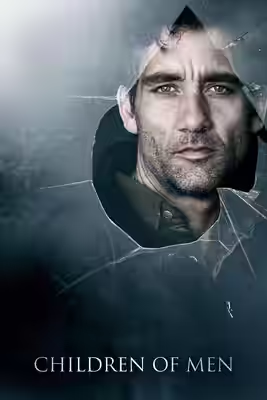
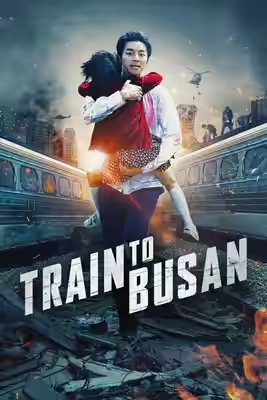
After 28 Weeks Later, try 28 Days Later (2002, Fi1m 77): The original: smaller, sadder, and the empty London is even emptier. Then Children of Men (2006, Fi1m 85): Britain as a locked-down camp, shot with the same grey Thames light; and Train to Busan (2016, Fi1m 84): Korean infected on a moving train, with more heart than most of the genre.
What order should I watch the 28 Days Later films in?
Release order is the safe choice for 28 Days Later, and it is the order our collection page lists them in. 28 Weeks Later is number 2 of the 4 28 Days Later titles on Fi1m; before it comes 28 Days Later and after it 28 Years Later. The full order.

Part of · 2 of 4

28 Days Later

4 films on Fi1m · 2002–2026 · average 75 · best 28 Days Later 77

All 4 in order

Cast

If you liked this, try…

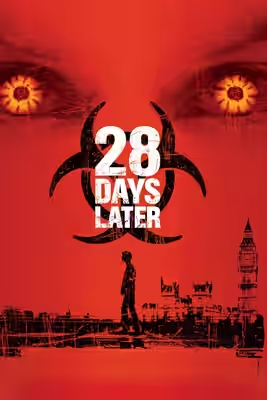
  1. 28 Days Later (2002, Fi1m 77)The original: smaller, sadder, and the empty London is even emptier.

  2. [REC] (2007) · not reviewed yetA Barcelona stairwell, one camera, and infection that moves faster than the film crew.

  3. Children of Men (2006, Fi1m 85)Britain as a locked-down camp, shot with the same grey Thames light.

  4. Train to Busan (2016, Fi1m 84)Korean infected on a moving train, with more heart than most of the genre.

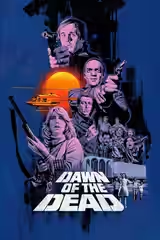
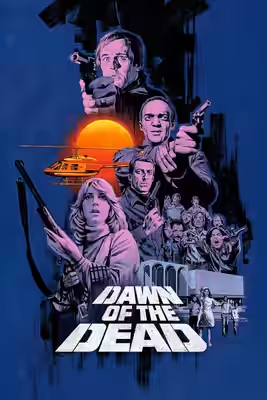
  5. Dawn of the Dead (1978, Fi1m 86)Romero’s shopping-centre siege, where the army’s plan also lasts about an afternoon.

Free account

Know what to watch tonight

Two lists that know where things are streaming, collections you can share, your own score beside ours, and Discover that remembers what you have seen.

  • Want to see, sorted by what is streaming now
  • Seen, with your score out of ten
  • No adverts, ever