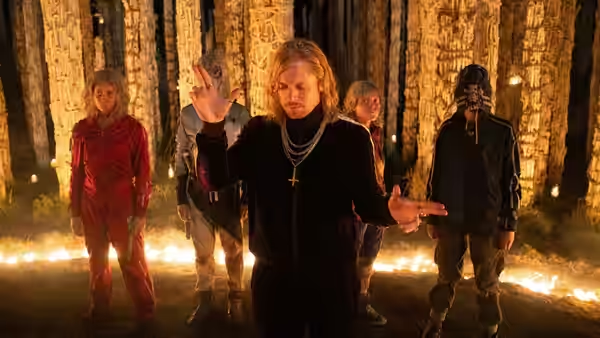
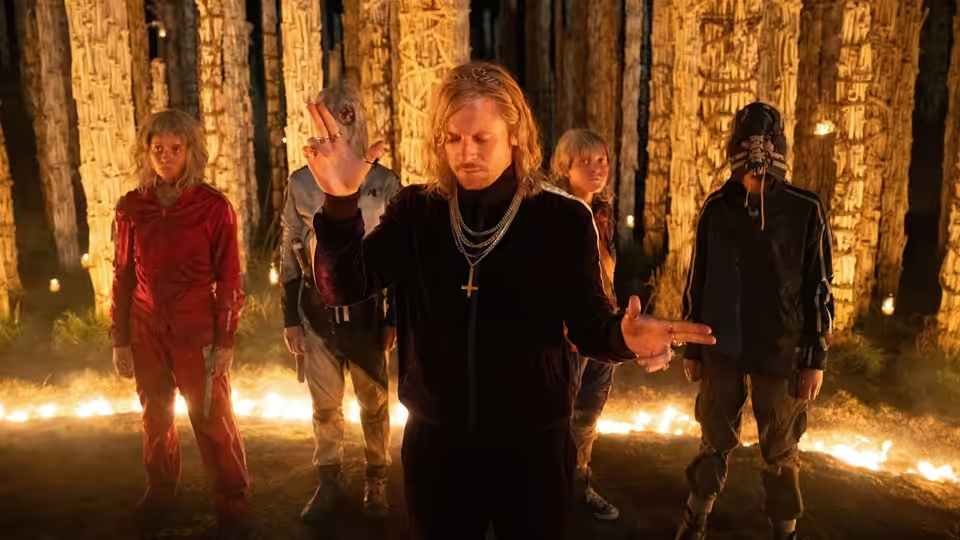
Sir Jimmy Crystal (Jack O'Connell) gesturing with arms outstretched among followers in a forest
Film review

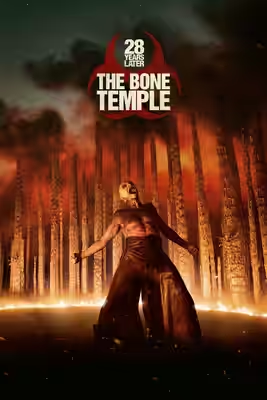
28 Years Later: The Bone Temple

2026 · Directed by Nia DaCosta · 1h 49m · MPA R

In a sentenceA doctor, a monster and a tower of skulls; the men in tracksuits can wait outside

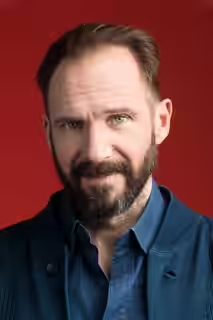
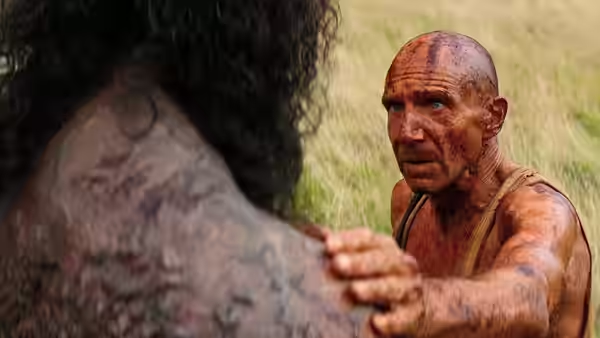
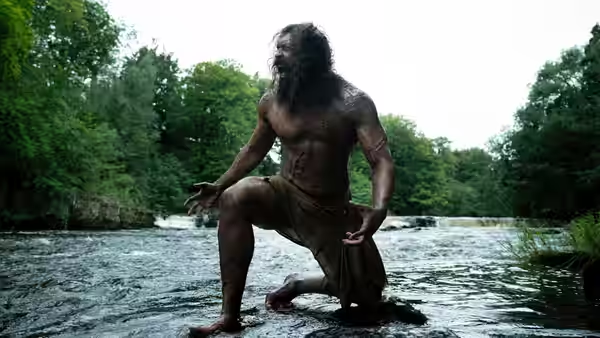
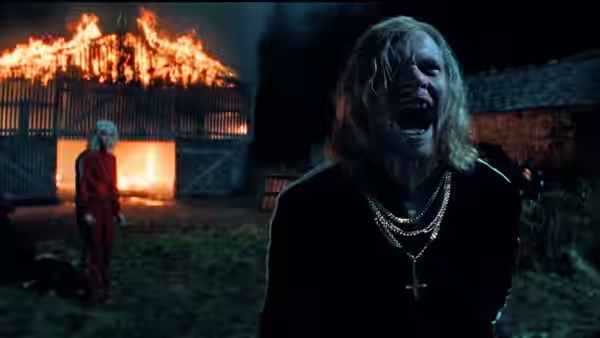
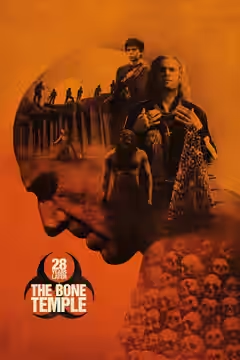
Twenty-eight years after the Rage virus emptied Britain, the mainland belongs to the infected and to whoever can live alongside them. Spike (Alfie Williams), a boy raised on a fortified island, has fallen in with Sir Jimmy Crystal (Jack O’Connell), a self-styled knight whose followers wear tracksuits and blond wigs, take his name and do what he tells them. Elsewhere, Dr Kelson (Ralph Fiennes) goes on building his temple from the bones of the dead, in the company of an infected alpha called Samson (Chi Lewis-Parry). Nia DaCosta directs from a script by Alex Garland; Danny Boyle, who directed 28 Days Later and 28 Years Later, produces. Erin Kellyman and Emma Laird are among the Jimmys.

Plays from YouTube when you press play; nothing loads from them until then.

Fi1m review

Ralph Fiennes, a tower of skulls and a Duran Duran record give Nia DaCosta’s sequel its best hour. Jack O’Connell’s cult of tracksuited Jimmys gives it its loudest and least interesting, and the film is only as good as whichever half is on screen.

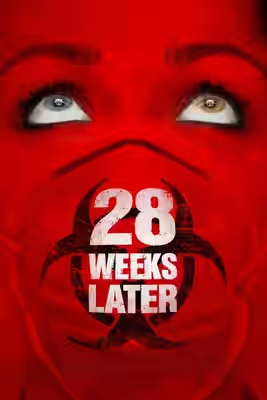
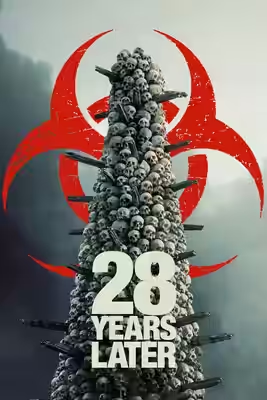
28 Days Later came out in 2002. This is the fourth film and the first not directed by Danny Boyle. Nia DaCosta takes the chair, Alex Garland writes, and the story picks up where 28 Years Later (2025) left it. Spike (Alfie Williams), the boy who walked off the island, has fallen in with Sir Jimmy Crystal (Jack O’Connell) and his followers, who wear tracksuits and blond wigs and are all called Jimmy. Elsewhere, Dr Kelson (Ralph Fiennes) is still stacking skulls into his tower and has acquired a companion, an infected alpha called Samson (Chi Lewis-Parry). It is a good film for about half its length and a hard, loud, less interesting one for the rest.

The Kelson half is the one we would send you to. Fiennes plays the doctor as a man who has kept his manners and his vocabulary in a country with no use for either. Lewis-Parry, under the prosthetics, listens, and does more with a tilt of the head than most of the cast manage with dialogue. The scene in which Kelson puts on Duran Duran and dances, with Samson swaying opposite him among the bones, is as odd as it sounds. We laughed, and then we stopped laughing, because Fiennes is not playing it for a laugh. He is playing a lonely man who has found company. A later scene between them under a full moon, almost without words, moved us more than a film with this much blood in it had any right to.

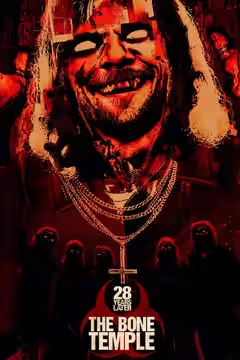
The other half belongs to Jimmy Crystal, and it is a harder sell. O’Connell commits: the bob, the shell suit, the patter, a smile that never reaches anyone, and the resemblance to a particular disgraced television presenter is the point of the costume. His Jimmys, among them Erin Kellyman’s Jimmy Ink, Emma Laird’s Jimmima and Connor Newall’s Jimmy Shite, hurt people because he tells them to, and the film shows this at length. We were horrified the first time, as we were meant to be. By the time it had happened again, and again, we were tired, which we were not. Garland has written a cult whose whole creed is cruelty and Jimmy’s face, and once you have grasped that, the scenes have nothing new to tell you.

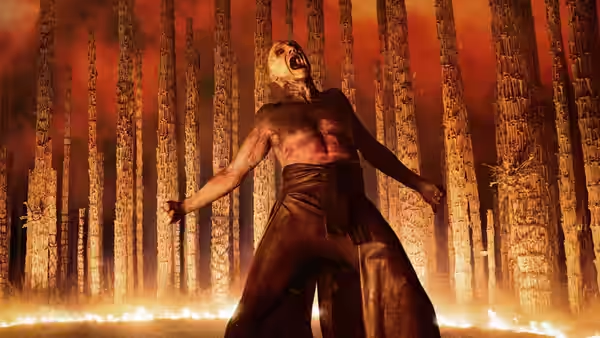
DaCosta and her crew are better than the weaker half of the script. Sean Bobbitt keeps the camera close on faces inside the temple and pulls back to wide, empty country whenever the Jimmys are on the move. Gareth Pugh and Carson McColl, credited for both costume and production design, have built the tower as a structure you could walk round, and they dress the Jimmys like a boys’ football team gone badly wrong. Hildur Guðnadóttir’s score sits low, mostly drone and strings, and clears out when the pop records come on. Jake Roberts’s cuts between the strands are clean; the trouble is that one strand keeps interrupting the other.

It is a middle film and it behaves like one. Threads from 28 Years Later are picked up or put down without a word, and the ending, which we will not describe, is more an invitation to the next instalment than a conclusion to this one. At 109 minutes it is not long, but the Jimmy scenes make it feel longer. Garland puts his argument on a plate: reason against fanaticism, the doctor against the priest.

Set against the series’ own standard, this is a strange entry. 28 Days Later frightened people because its infected ran and because the film declined to explain them. The Bone Temple has almost no interest in the infected except as company for a lonely man; its monsters wear tracksuits. Most critics have admired that choice more than we do. We think the film is at its best when it is quiet, and it is not quiet often enough.

See it for Fiennes, and for Lewis-Parry, whose performance under all that latex deserves more notice than it will get. Sit through the rest. The 18 certificate is earned several times over, and if you can bear that, the temple is worth the visit.
Critical consensus AI synthesised

82
Positive
15
Mixed
0
Negative
0

The reviews are uniformly favourable and the spread is narrow: nobody dislikes it, and the argument is only over how much of it works. Praise clusters almost entirely on Ralph Fiennes as Dr Kelson, whom most critics call the film’s centre, with several singling out a scene in which he dances to a 1980s record among the bones. Jack O’Connell’s cult leader draws admiration too, and Nia DaCosta is credited with a darker, bloodier and funnier film than its predecessor, one that turns its attention from the infected to human cruelty.

The reservations, where they appear, gather around the Jimmies subplot. Sight and Sound finds it misjudged and the film too conventional to stand on its own, and Den of Geek thinks the sadism familiar and some sequences needlessly unpleasant beside the quieter Kelson material. A few miss the wider world of the last film. Nobody argues that Fiennes is anything other than the reason to watch.

The Guardian
13 January 2026
90*

The critic calls this the finest entry in the 28 franchise by a wide margin, praising its energy, drama and the phenomenal performances of Ralph Fiennes and Jack O’Connell in a gruesome, human-focused fourquel. Fiennes’s extraordinary dance scene to Iron Maiden stands out as a career highlight.

Read the full review →
Vulture
15 January 2026 · Bilge Ebiri
90*

The review deems the film glorious for its psychologically acute exploration of characters mentally frozen in the past and a coherent vision of human cruelty. It praises the subtle ideas amid flamboyant elements like dance parties and a climactic heavy-metal sequence.

Read the full review →
Empire
13 January 2026 · Olly Richards
85*

DaCosta delivers a satisfyingly complete and often superior sequel that is simpler but bolder and bloodier than its predecessor. The film excels in tension-building horror and features strong performances, particularly from Jack O’Connell and Ralph Fiennes in eccentric roles.

Read the full review →
Variety
13 January 2026 · Peter Debruge
85*

Nia DaCosta nimbly directs a darker, more disturbing entry focused on Ralph Fiennes' deranged doctor and Jack O'Connell's Satanist cult leader. It delivers bold, mind-bending work with shocking violence and philosophical depth for a zombie movie with brains.

Read the full review →
Los Angeles Times
15 January 2026 · Amy Nicholson
80*

DaCosta delivers a smart splatter horror film blending low and highbrow elements with absurdist humor and graphic gore. Ralph Fiennes gives a bravura comic-manic performance as the intellectual Dr. Kelson who forms an unlikely bond with an alpha zombie.

Read the full review →
The Hollywood Reporter
13 January 2026 · David Rooney
80*

The critic respects the film's grandiose insanity and highlights Ralph Fiennes' magnificent, erudite yet feral performance as Dr. Ian Kelson. Despite some unevenness, it delivers enough carnage, ritual sacrifice, and a satisfying coda to appeal to horror fans.

Read the full review →

Straight answers AI written, from our review

Is 28 Years Later: The Bone Temple worth watching?
28 Years Later: The Bone Temple is worth watching for Ralph Fiennes and Chi Lewis-Parry, and we scored it 74. Their scenes in the skull tower are quiet, odd and unexpectedly moving; the half given over to Jack O'Connell's tracksuited cult is loud, repetitive and much less interesting. Go for the doctor and his monster, and sit through the Jimmys.
How long is 28 Years Later: The Bone Temple, and what is it rated?
28 Years Later: The Bone Temple runs 1h 49m and is rated R by the MPA in the US. It is a horror and thriller film.
Where can I watch 28 Years Later: The Bone Temple in the US?
28 Years Later: The Bone Temple is streaming on Netflix in the US, and it is also available to rent from Amazon Prime Video from $5.99. Availability is checked daily; the links above go straight to each service.
How violent or frightening is 28 Years Later: The Bone Temple, and is it suitable for children?
28 Years Later: The Bone Temple carries an 18 certificate in the UK and an R in the US, and earns it several times over. The cult scenes show people being hurt at length and on purpose, and the temple is built from human bones; the film is not for children, and squeamish adults should think twice. The frights come less from the infected than from what the healthy do.
How does 28 Years Later: The Bone Temple compare to 28 Years Later?
28 Years Later: The Bone Temple is stranger and less frightening than 28 Years Later, and on balance the earlier film is the better of the two. Boyle's film is a horror film about the infected with a misjudged final five minutes; DaCosta's has little interest in the infected at all and splits its time between a gentle doctor and a cruel cult. If you want scares, watch the earlier one; if you want Fiennes, this one.
Do you need to have seen the other 28 Days Later films before 28 Years Later: The Bone Temple?
28 Years Later: The Bone Temple is a middle film and does not stand alone; you should see 28 Years Later first. It picks up exactly where that film left off, carries over Spike, Dr Kelson and the Jimmys without reintroducing them, and ends by pointing at a further instalment. 28 Days Later is useful background but not required to follow the story.
What should I watch after 28 Years Later: The Bone Temple?
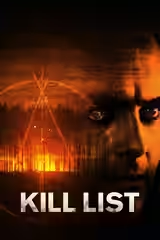
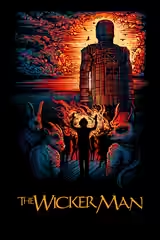
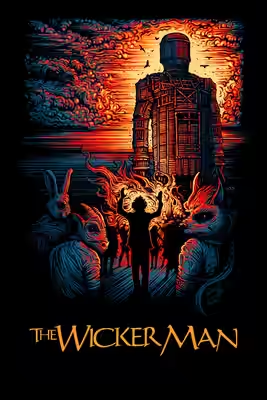
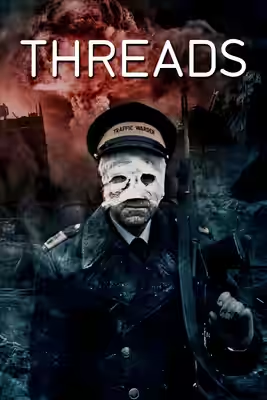
After 28 Years Later: The Bone Temple, try 28 Days Later (2002, Fi1m 77): Where it began: an empty London, running infected, and no explanations offered. Then Kill List (2011, Fi1m 82): Ben Wheatley’s hitmen film that turns into something older and far nastier; and The Wicker Man (1973, Fi1m 90): The British template for a cheerful island community with its own ideas about worship.
What order should I watch the 28 Days Later films in?
Release order is the safe choice for 28 Days Later, and it is the order our collection page lists them in. 28 Years Later: The Bone Temple is the most recent of the 4 28 Days Later titles on Fi1m; before it comes 28 Years Later. The full order.

Part of · 4 of 4

28 Days Later

4 films on Fi1m · 2002–2026 · average 75 · best 28 Days Later 77

All 4 in order

Cast

If you liked this, try…

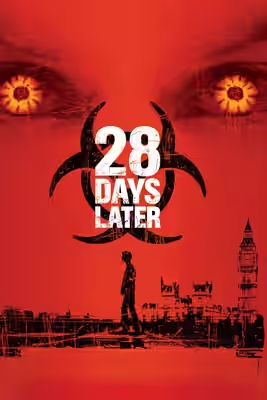
  1. 28 Days Later (2002, Fi1m 77)Where it began: an empty London, running infected, and no explanations offered.

  2. Kill List (2011, Fi1m 82)Ben Wheatley’s hitmen film that turns into something older and far nastier.

  3. The Wicker Man (1973, Fi1m 90)The British template for a cheerful island community with its own ideas about worship.

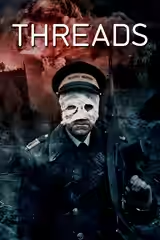
  4. Threads (1984, Fi1m 92)Sheffield after the bomb, plainly filmed, and still the bleakest thing on British television.

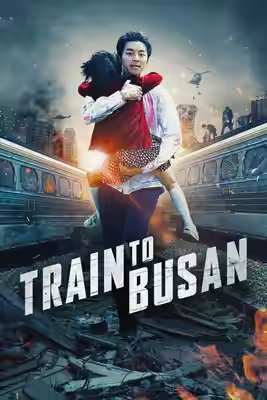
  5. Train to Busan (2016, Fi1m 84)Korean infected film that keeps its monsters fast and its people worth saving.

Free account

Know what to watch tonight

Two lists that know where things are streaming, collections you can share, your own score beside ours, and Discover that remembers what you have seen.

  • Want to see, sorted by what is streaming now
  • Seen, with your score out of ten
  • No adverts, ever