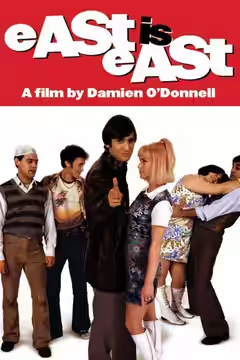
Damien O’Donnell’s family comedy is funny, sharply acted and worth an evening, though its handling of domestic violence is uneven. Om Puri and Linda Bassett make the family believable even when the humour grows too broad.
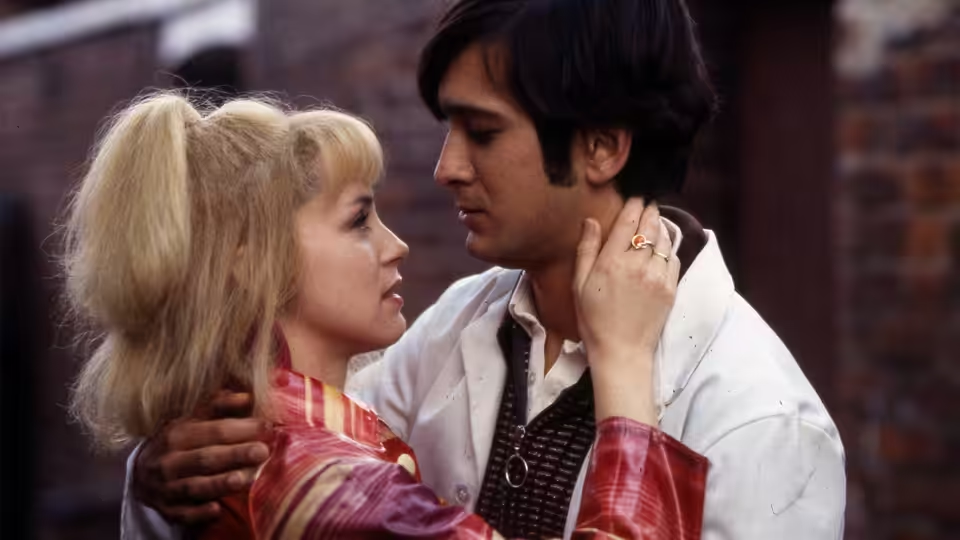
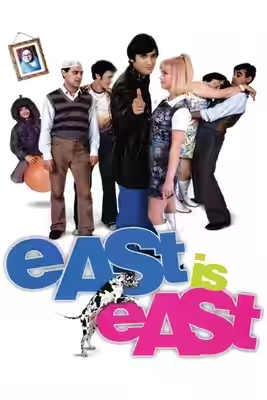
East Is East is a funny, observant family comedy whose treatment of domestic violence is less assured than its jokes. Damien O’Donnell directs Ayub Khan-Din’s screenplay with an affection for the Khans that survives their arguments, though the film sometimes hurries us back towards laughter before we are ready. George wants to determine how his British-born children live and whom they marry. They have ideas of their own, and the disputes over arranged marriages make those differences impossible to ignore.
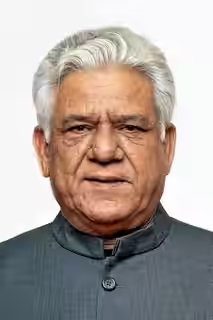
Om Puri plays George Khan as a father whose certainty is exhausting for everybody around him. He makes George’s wish to preserve his authority understandable without making obedience seem reasonable. There is humour in the man’s inability to accept that his children have lives beyond his instructions, and Puri does not need to turn him into a fool to find it. He also makes the threat behind those instructions felt. His performance is troubling enough to make some of the broader comedy seem misplaced.
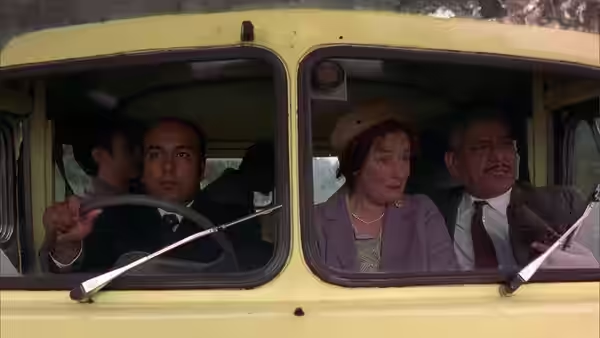
Linda Bassett’s Ella Khan is just as important, especially because she makes holding the family together seem like work. Bassett gives Ella’s patience a limit; it does not look like agreement. We were moved by the strain she brings to the family arguments, because her affection for these people never quite hides how much they ask of her. Jimi Mistry as Tariq and Archie Panjabi as Meenah contribute to the sense that everyone in this family has an opinion.
Khan-Din’s profane dialogue helps enormously. These people can be rude, impatient and funny without stopping to explain what they stand for, and the wrangling over marriages gives their disagreements a practical urgency. The ensemble suggests people who know exactly how to irritate one another and have had plenty of practice. Some of the humour is broad enough to make a point twice. Yet O’Donnell usually trusts the actors to supply the distinctions that a simple account of clashing cultures would miss.
Brian Tufano’s cinematography keeps the actors central, while Tom Conroy’s production design makes the period setting feel inhabited. Neither distracts from the exchanges within the family, which is where the interest lies. Michael Parker’s editing gives those exchanges pace, although the changes from comedy to distress sometimes need more space than the film allows. Deborah Mollison’s music supports the lighter mood, but it cannot make the move back towards comedy feel natural every time.
The violence is the difficulty we cannot laugh away. Putting abuse inside a family comedy can be truthful: affection and fear can exist in the same household, and people still make jokes when they are unhappy. But the return to humour here occasionally feels too eager, as if staying with the hurt would spoil the evening. Puri makes George credible when the tone darkens. The film needs to let the family remain upset without reaching so quickly for another joke.
Family comedies often ask us to accept a difficult father as a lovable nuisance; Puri makes George harder to forgive. That makes the unevenness frustrating, because the actors seem capable of following these arguments wherever they lead. At 97 minutes, the film remains lively and worth the time, particularly for Bassett and Puri. Choose it for the quarrels and the performances, but not if a reassuring family comedy is what the evening requires.