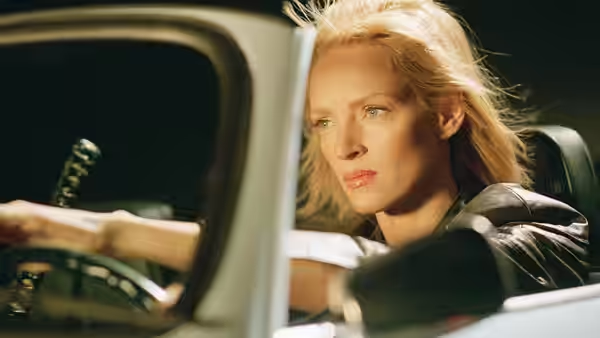
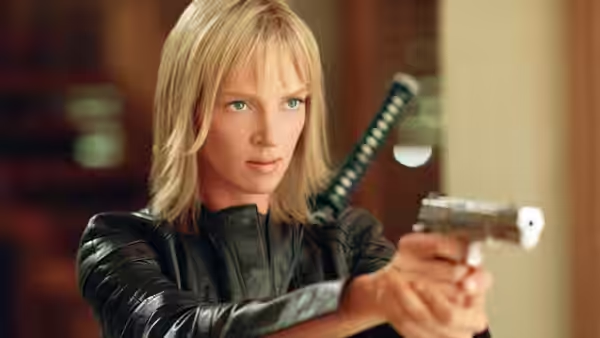
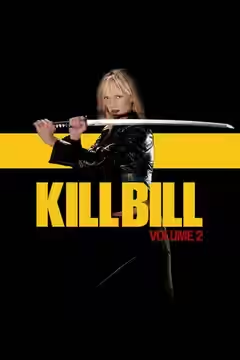
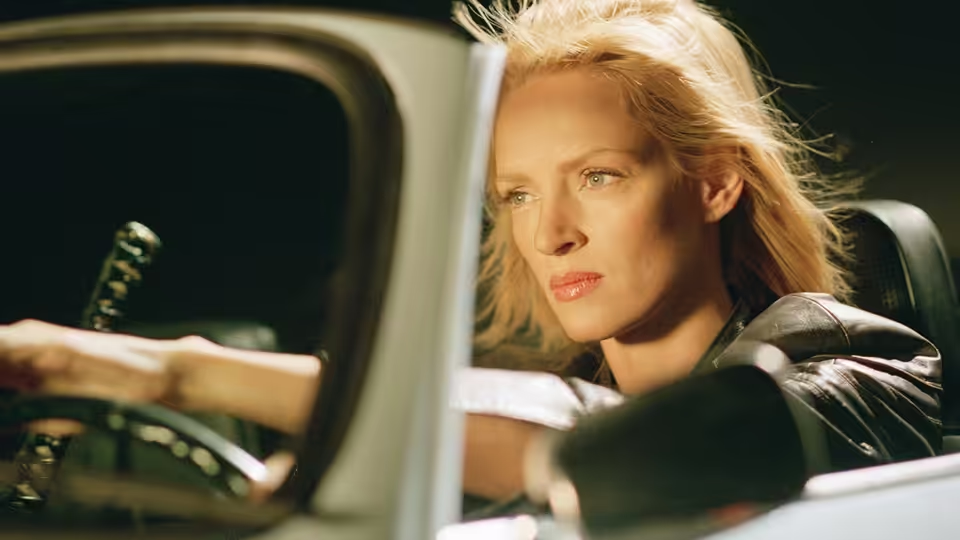
Beatrix Kiddo (Uma Thurman) in the driver's seat of a car
Film review

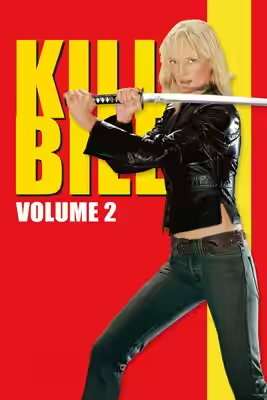
Kill Bill: Vol. 2

2004 · Directed by Quentin Tarantino · 2h 16m · MPA R

In a sentenceFewer swords, more chairs; David Carradine wins the film without getting up

The second half of Quentin Tarantino’s revenge story picks up with two names left on the Bride’s list. Beatrix Kiddo (Uma Thurman), shot at her own wedding rehearsal and left for dead, has already worked through the first half of the assassination squad that did it. Now she goes after Budd (Michael Madsen), Bill’s brother, who lives in a trailer in the Texas scrub and works the door at a strip club, and Elle Driver (Daryl Hannah), the one-eyed killer who wants the Bride for herself. Behind both of them is Bill (David Carradine), the man who ran the squad and whom the Bride has not seen since the chapel. Along the way she remembers her training under the master Pai Mei (Gordon Liu).

Fi1m review

The second half of Tarantino’s revenge story slows down, talks more and fights less, and is the better for it. David Carradine’s Bill is worth the wait; the film around him is twenty minutes longer than it needs to be.

Kill Bill: Vol. 1 (2003) was a sword fight with a story attached. Vol. 2 is the story, with a sword fight attached, and it is the better half. The Bride (Uma Thurman) has two names left before she reaches Bill, and Tarantino spends 136 minutes getting her there by way of Texas, Mexico and a mountain in China. Most of it is people sitting down and talking. Some of it is too long. Nearly all of it is worth the evening.

It opens in black and white at a wedding rehearsal in a wooden chapel, and Robert Richardson holds a single wide shot from the doorway while the wedding party fusses inside and something bad walks up behind them. We hear Bill before we see him, a flute played on a bench outside, and Carradine’s voice arrives ahead of his face, soft and reasonable and quite unbothered. It is the best entrance in either film. Michael Parks turns up afterwards as the sheriff, chewing over the scene in the tone of a man who has seen worse and would rather not say where.

Then Texas. Michael Madsen’s Budd lives in a trailer full of dead beer cans and a hat he cannot afford, and takes a dressing-down from the strip club owner who has cut his shifts without arguing back. David Wasco, Cao Juiping and Yohei Taneda dress the place so that everything in it looks like it was found rather than bought. What Budd does when the Bride arrives we will not describe. Richardson shoots the ten minutes that follow almost entirely in darkness, by the light of a torch and a match, and the sound design does the rest: breath, wood, the scrape of a fingernail. We stopped breathing for a while. It is the most frightening thing Tarantino has put on screen, and there is not a drop of blood in it.

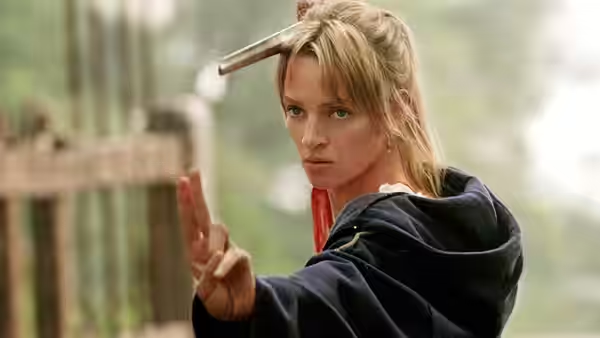
From that box the film cuts to a mountain and to Gordon Liu as Pai Mei, and the picture changes stock. The colours go hot and cheap, the zoom lens comes out, the master strokes his white beard and delivers his insults in a dubbed-sounding bark. Thurman carries water up steps and punches a plank of wood until her knuckles split. We laughed a great deal, and the joke is affectionate rather than superior; Liu plays the old fraud as if he means every word. It is the film’s happiest half hour and it earns the fight that comes after.

That fight is Daryl Hannah’s, in the trailer, and it is the one stretch that belongs to the first volume. Sally Menke cuts it tight and dirty, bodies against walls, a toilet, a television, no room to swing anything. Hannah plays Elle as pure spite with an eyepatch and gets the film’s nastiest line, which she delivers while reading from a notebook. How it ends we will leave alone.

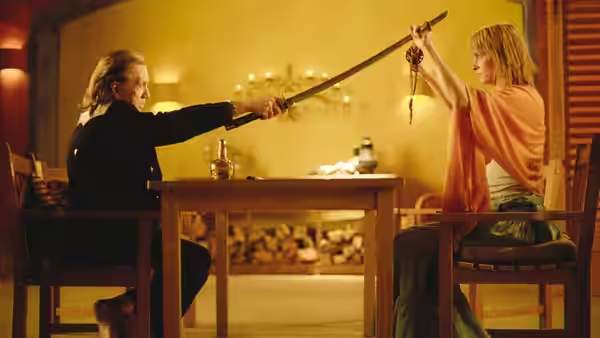
The last section is a conversation, and Carradine carries it. He has the courtesy of a man who has never had to raise his voice, and he makes a speech about comic books sound like a threat and a threat sound like a bedtime story. Thurman, who spent the first film mostly in motion, has to sit opposite him and answer, and she is good at it; her face does more here than her sword did. Robert Rodriguez and RZA supply the music, a spare guitar and trumpet, and for once Tarantino lets scenes go quiet.

It is baggy. The Mexico chapter, with Parks again under a wig as a brothel-keeper called Esteban Vihaio, is a pleasant detour that adds five minutes and nothing else. Chapter titles stop the film dead each time. The stretch after the Elle fight and before the final house sags, and we felt the length in our legs. Jackie Brown (1997) showed Tarantino could sit still for two hours; this shows he cannot quite decide how still.

See it after Vol. 1, the same night if you can bear four and a half hours of it, because the two films argue with each other and the argument is the point. It carries an 18 and it earns it in the dark rather than in the red.

Critical consensus AI synthesised

71
Positive
5
Mixed
0
Negative
2

Most critics take Vol. 2 as the slower, talkier half of the story and like it for that. The praise clusters on David Carradine’s Bill and Uma Thurman’s Bride, on the long dialogue scenes, and on a finale several reviews find more moving than the first film gave any reason to expect. The shift towards a Sergio Leone western pace is noted approvingly more than once, and a few reviews argue the two volumes only make full sense taken together.

The reservations are mostly about length: even admirers find padded scenes and a middle stretch that drifts. The spread is wide rather than narrow. The New Yorker calls it a shapeless mess and objects to Tarantino treating his own trash aesthetic solemnly; The Times finds the retro shtick stale and the revenge without savour; Eye for Film sees a fanboy unwilling to grow up. Almost nobody sits in the middle: the reviews are either won over or not.

RogerEbert.com
16 April 2004 · ★★★★/4 · Roger Ebert
100

Ebert calls the film an exuberant celebration of moviemaking that he liked even more than the first volume, viewing it as a completion rather than a sequel that gives the story greater resonance. He singles out the developed characters and the hypnotic final dialogue meeting between the Bride and Bill for particular praise.

Read the full review →
The New York Times
16 April 2004 · Elvis Mitchell
85*

Mitchell hails the film as a deliciously perverse and operatic comic-book movie that is rich and substantial. He singles out Uma Thurman's performance and the long, languorous dialogues for praise while noting its shift from the first volume's blood lust to more emotional depth.

Read the full review →
Los Angeles Times
16 April 2004 · Manohla Dargis
80*

Dargis praises the film as an adrenaline shot of pure pop pleasure and a great American movie that proves Tarantino has more to offer than pyrotechnics. She singles out the personal vision, actor wrangling, and shift to a slower Sergio Leone western beat for praise.

Read the full review →
The AV Club
12 April 2004 · Nathan Rabin
80*

The film succeeds by melding the rambling, monologue-heavy style of earlier Tarantino with bursts of stylized action, delivering an emotionally satisfying conclusion centered on the complex relationship between The Bride and Bill.

Read the full review →
Slant Magazine
15 April 2004 · Keith Uhlich
75*

Vol. 2 shifts into more solemn, mature territory with fewer fights and greater moral and thematic depth, highlighting yin-yang contrasts, strong performances from Thurman and Carradine, and a profoundly moving finale that rewards hindsight.

Read the full review →
The New Yorker
12 April 2004 · David Denby
35*

Denby finds the film a shapeless mess that is at least less monotonous than the first volume but still fails to deliver coherent action or substance. He singles out the self-referential allusions and Tarantino's solemnizing of his own trash aesthetic for criticism.

Read the full review →

Straight answers AI written, from our review

Is Kill Bill: Vol. 2 worth watching?
Kill Bill: Vol. 2 is worth watching for anyone who has seen the first film and wants the story that was missing from it, and we scored it 77. It talks more and fights less, and David Carradine's Bill is worth the wait, but the film runs about twenty minutes longer than it needs to and sags before the final house.
How long is Kill Bill: Vol. 2, and what is it rated?
Kill Bill: Vol. 2 runs 2h 16m and is rated R by the MPA in the US. It is an action and crime film.
Where can I watch Kill Bill: Vol. 2 in the US?
Kill Bill: Vol. 2 is streaming on Amazon Prime Video in the US, and it is also available to rent from Amazon Prime Video and Apple TV from $3.99. Availability is checked daily; the links above go straight to each service.
How violent or frightening is Kill Bill: Vol. 2, and is it suitable for children?
Kill Bill: Vol. 2 carries an 18 certificate and is not suitable for children. It is less bloody than the first film but more frightening: a ten-minute stretch shot almost entirely in darkness, by torch and match, had us holding our breath, and the trailer fight with Daryl Hannah is tight and nasty. Squeamish adults will cope better here than with Vol. 1; the young should not watch either.
How does Kill Bill: Vol. 2 compare to Kill Bill: Vol. 1?
Kill Bill: Vol. 2 is the better of the two films, because it has the story and the first has the sword fights. Vol. 1 is the more purely made and the less written, half a film that knows it; Vol. 2 slows down, sits people in chairs and lets David Carradine talk. Those who came for blades will prefer the first; those who want to know why anyone is fighting will prefer this one.
What should I watch after Kill Bill: Vol. 2?
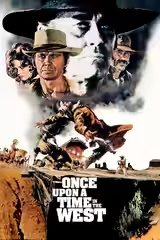
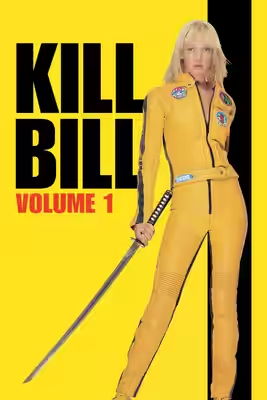
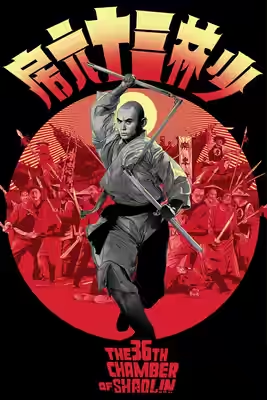
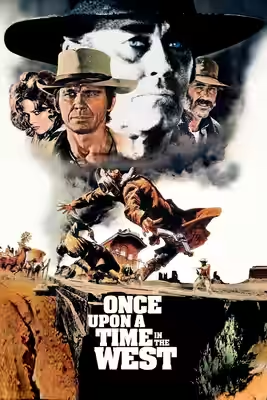
After Kill Bill: Vol. 2, try Kill Bill: Vol. 1 (2003, Fi1m 72): The first half, all blades and blood; this one makes more sense with it. Then The 36th Chamber of Shaolin (1978, Fi1m 83): Gordon Liu, young, carrying the water himself; the training film Pai Mei is parodying; and Once Upon a Time in the West (1968, Fi1m 91): Leone at his slowest and widest; where the flute and the long waits come from.

Cast

If you liked this, try…

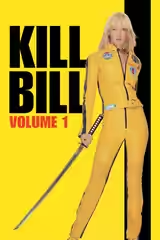
  1. Kill Bill: Vol. 1 (2003, Fi1m 72)The first half, all blades and blood; this one makes more sense with it.

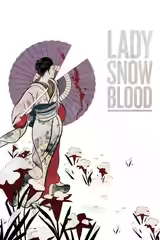
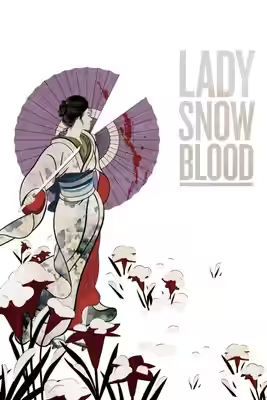
  2. Lady Snowblood (1973) · not reviewed yetThe Japanese revenge film Tarantino was watching; colder, shorter, snow instead of scrub.

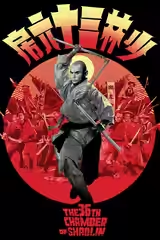
  3. The 36th Chamber of Shaolin (1978, Fi1m 83)Gordon Liu, young, carrying the water himself; the training film Pai Mei is parodying.

  4. Once Upon a Time in the West (1968, Fi1m 91)Leone at his slowest and widest; where the flute and the long waits come from.

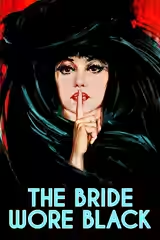
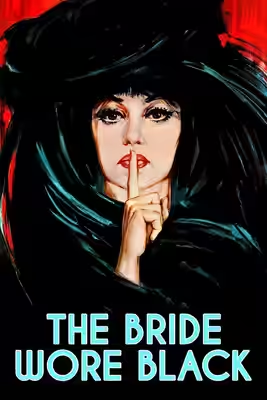
  5. The Bride Wore Black (1968) · not reviewed yetTruffaut’s widow works through five men on a list, politely and in colour.

Free account

Know what to watch tonight

Two lists that know where things are streaming, collections you can share, your own score beside ours, and Discover that remembers what you have seen.

  • Want to see, sorted by what is streaming now
  • Seen, with your score out of ten
  • No adverts, ever