Tarantino writes people sitting at tables, talking until somebody reaches for a gun, and at his best the talk is the action. Every film since Reservoir Dogs has been worth an evening; nearly every one has been half an hour too long.
Fi1m perspective
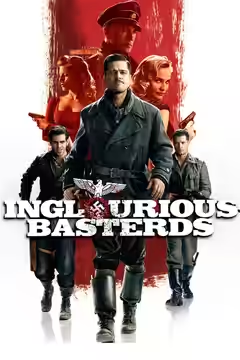
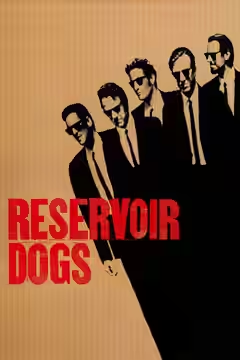
A colonel sits at a farmhouse kitchen table, is offered wine, and asks for milk. He drinks it with perfect manners while the camera drifts down through the floorboards to the family hiding underneath. Nobody has raised a voice. That opening of Inglourious Basterds (2009) is the scene Quentin Tarantino has been writing since 1992: a room, a table, somebody lying, and a gun not yet out. Eight men arguing about tipping in Reservoir Dogs (1992). Two hitmen on what a hamburger is called in Paris in Pulp Fiction (1994).
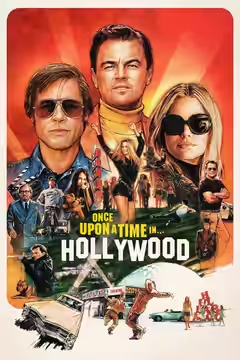
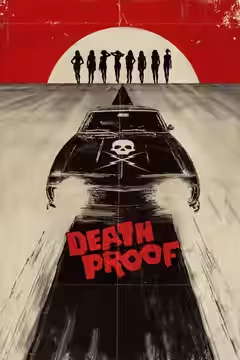
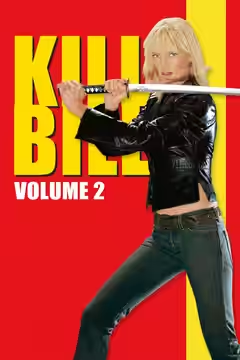
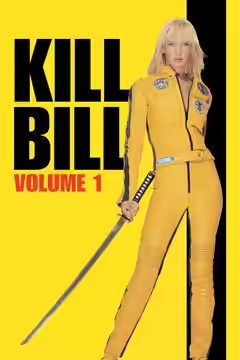
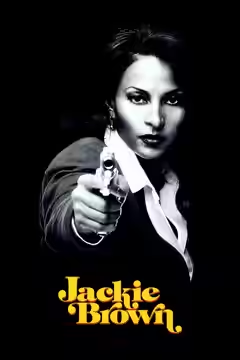
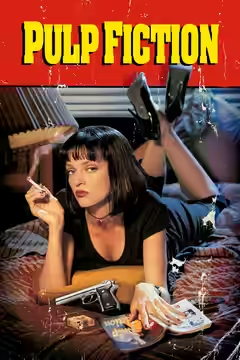
The talk is the action, and when it is not, the film is in trouble. Reservoir Dogs had one warehouse and no room to indulge himself, and is better for it. Pulp Fiction has the sharpest talk of any crime film of its decade. Jackie Brown (1997), from Elmore Leonard, is the one where he stopped showing off and let Pam Grier and Robert Forster sit still. After that the speeches grew. The Kill Bill films (2003 and 2004) are set pieces with dialogue between them; Death Proof (2007) has his cadence without his purpose. Then the rewrites of history, up to Once Upon a Time... in Hollywood (2019): each a good film, each too long, each with a last act that carries on after the story has ended.
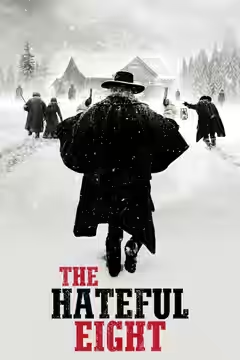
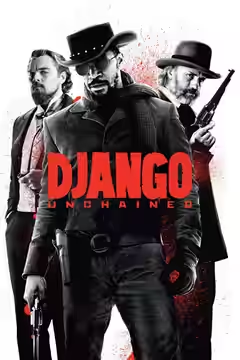
Sally Menke cut eight of his films and knew when a scene was over; since her death Fred Raskin has let them run past the point where she would have closed them, and the middle of Django Unchained (2012) and of The Hateful Eight (2015) sags. Then there is Tarantino himself, who keeps casting himself and is the weakest actor in his own films, and who writes women as things to be looked at and rescued, when he writes them at all. Reservoir Dogs has none. Kerry Washington's Broomhilda is the reason for everything in Django and is barely allowed to speak.
What goes right is the people he gives his sentences to. Samuel L. Jackson has made six films with him, and Ordell in Jackie Brown is the model, most dangerous when he sounds most reasonable. Robert Richardson shot the Budd chapter of Kill Bill: Vol. 2 almost entirely in the dark, by torch and match, and it is the most frightening thing Tarantino has put on screen without a drop of blood. We laughed at the foot massage argument in Pulp Fiction for a full minute, then Vincent and Jules knocked on the door, we remembered what they had come to do, and we stopped.
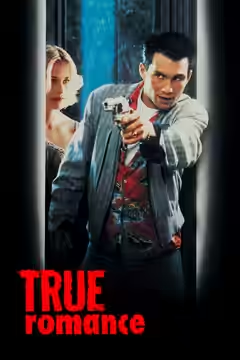
He has said he will stop after a tenth feature. True Romance (1993), the script he gave to Tony Scott, is among the pieces of his we like best, and it was not his to cut. One more, then. We would take it at two hours.
Biography
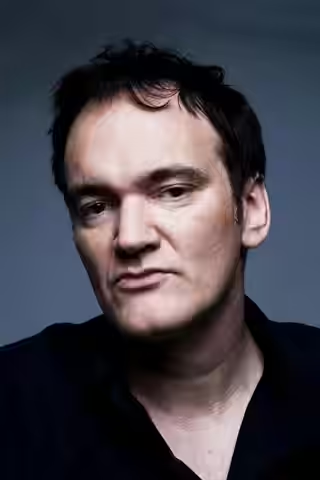
Quentin Jerome Tarantino is an American film director, screenwriter and producer. Born on 27 March 1963 in Knoxville, Tennessee, he began his career as an independent filmmaker in the early 1990s.
His early features include Reservoir Dogs (1992) and Pulp Fiction (1994). He later directed and wrote Jackie Brown (1997), the Kill Bill films (2003–2004), Inglourious Basterds (2009), Django Unchained (2012), The Hateful Eight (2015) and Once Upon a Time... in Hollywood (2019). He has also produced several of his projects, including Death Proof (2007).
Tarantino has received Academy Awards for screenwriting and has been nominated for directing. He has worked with many of the same collaborators across multiple films.