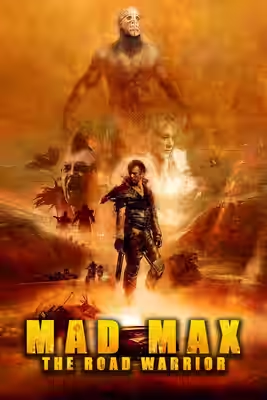
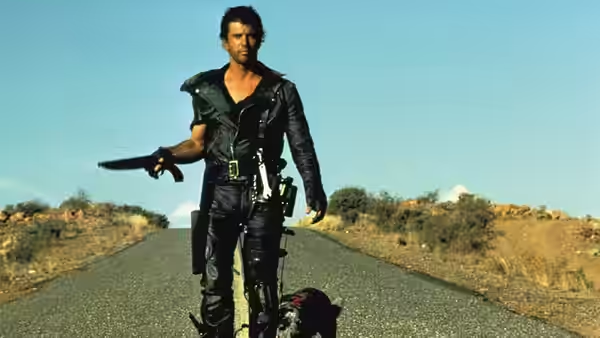
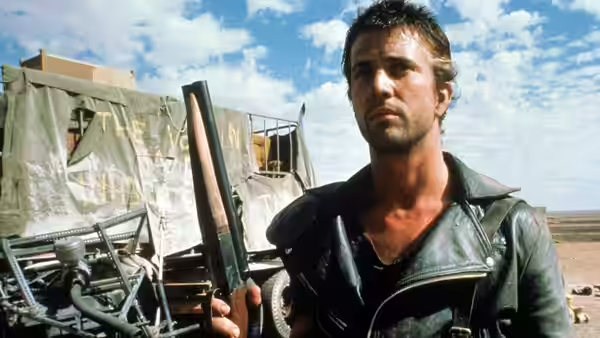
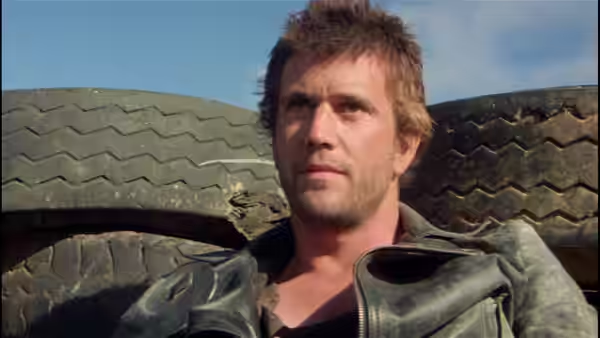
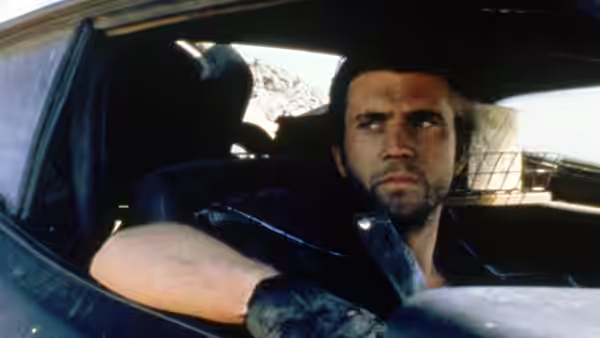
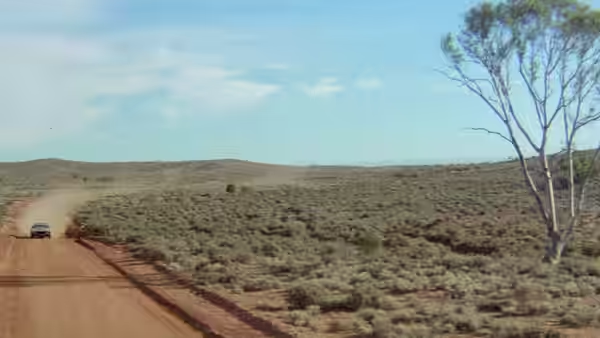
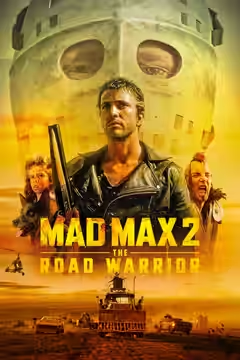
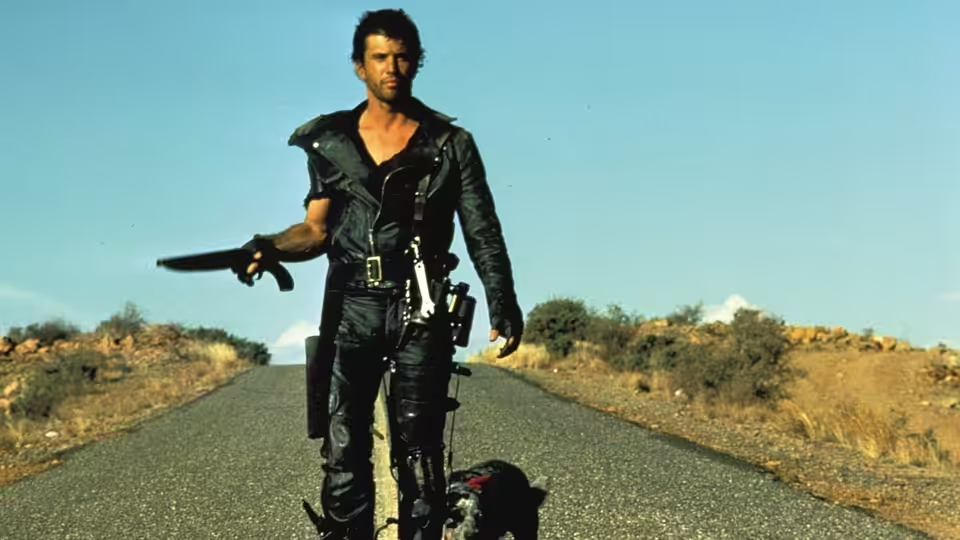
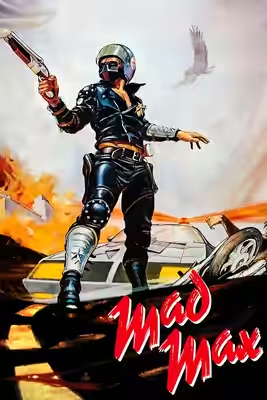
Max Rockatansky (Mel Gibson) standing on a road holding a shotgun with a dog nearby
Film review

Mad Max 2

1981 · Directed by George Miller · 1h 36m · MPA R

In a sentencePetrol is scarce, but nobody has considered driving sensibly

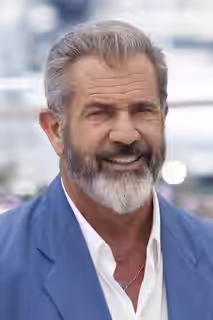
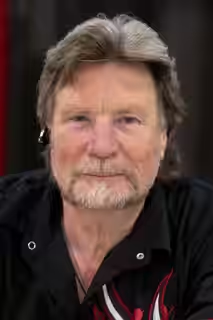
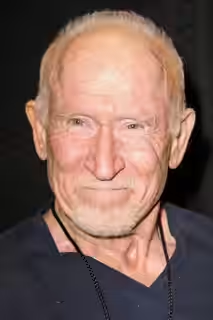
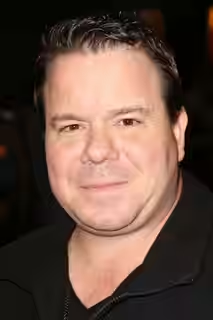
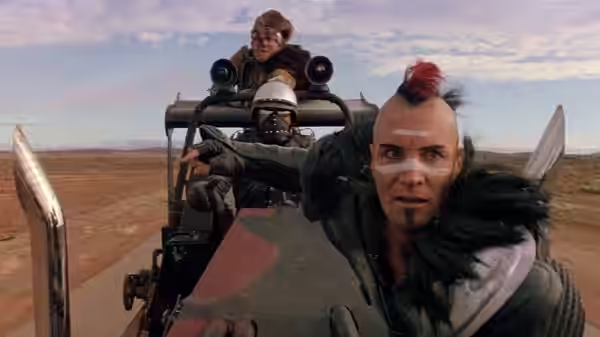
Fuel is scarce in a post-apocalyptic future, and armed gangs compete for what remains. Rockatansky (Mel Gibson) encounters an oil fortress under siege by motorised raiders, bringing him into a struggle over the resource that keeps everyone moving. Around him are the Gyro Captain (Bruce Spence), Pappagallo (Michael Preston), Wez (Vernon Wells) and the Humungus (Kjell Nilsson). George Miller’s action film follows that conflict through a landscape where vehicles provide both transport and the means to wage war. The conflict centres on who controls the fuel and who has the force to take it.

Plays from YouTube when you press play; nothing loads from them until then.

Fi1m review

Mad Max 2 is a superb action film, with George Miller making a thin story hurtle through precisely staged vehicle combat. The people get less attention, and the brutality will put some off.

This is a superb action film with a thin story, and George Miller understands how much that story can carry. Fuel is scarce, motorised gangs fight over it, and Rockatansky encounters an oil fortress under siege. The premise puts vehicles at the centre of the struggle without requiring much explanation whenever somebody starts an engine. Miller makes the pursuit of petrol clear enough that we can concentrate on the more pressing business of who is about to hit whom.

The screenplay by Miller, Brian Hannant and Terry Hayes keeps motives basic, which serves the action better than it serves the people. Rockatansky is played by Mel Gibson, whose reserve gives the film a useful centre without making him especially rewarding company. We do not need a speech whenever he enters a dangerous situation, but a little more feeling would be welcome. The script is at its most useful when it gives an immediate practical reason for the next confrontation.

Dean Semler’s photography is crucial to why the fighting remains absorbing. The vehicles are allowed enough space for us to follow their movement, and the image gives the stunt work a scale that frantic cutting alone could not supply. We were exhilarated by the vehicle combat: being able to judge how close the machines come to one another makes the danger register before the impact. There is pleasure in seeing a complicated piece of action made comprehensible, even when what is happening is thoroughly unpleasant.

Editors David Stiven, Tim Wellburn and Michael Balson deserve as much credit as the stunt work. The cutting keeps the action moving without reducing it to an unrelated succession of crashes; one movement prepares us for the next, so the speed has something we can follow. Brian May’s music supplies a further push, treating the struggle with a seriousness that suits the film’s relentless aggression. At 96 minutes, it has little time to spare, and the briskness is welcome.

There is humour here, although Miller makes no effort to keep things comfortable. The sheer excess of the vehicle combat can be funny, even while the people taking part appear entirely committed to it. That helps, but the ugliness of the violence is a real qualification to our enthusiasm. Some action films encourage us to enjoy destruction without considering bodies at all; this one is harder to settle into, and anyone put off by its brutality is not missing the point.

The Western influence gives the siege a familiar shape, with Rockatansky arriving at a conflict that already has its own momentum. Miller is good at the part of the genre that involves deciding who controls a patch of ground and who can move across it. He is less interested in giving the people on that ground much of a life beyond their immediate predicament. If you need much human warmth from an action film, this is not the evening for it. Otherwise, turn the sound up and leave any conversation until the engines stop.
Critical consensus AI synthesised

81
Positive
9
Mixed
1
Negative
0

The reviews are almost uniformly positive, and the praise gathers in one place: the action. Critics single out the sustained closing chase, the stunt work and the vehicle choreography, with several naming that final sequence among the best of its kind. The photography and editing draw repeated notice, as does the pace, which most describe as relentless without becoming shapeless. A clear majority also rank it above the first film, and several call it the strongest entry in the series.

The reservations cluster around what sits underneath the spectacle. Most critics accept that the plot is slight; a few count it against the film. The New Yorker calls it visually terrific but joyless and short of real resonance, and Slant finds it conventional in spirit next to the original. Empire has doubts about Gibson’s charisma while crediting Miller’s set pieces with making up the difference. The spread is narrow: nine positive, one mixed, none negative.

RogerEbert.com
1 January 1981 · Roger Ebert
90*

The film is pure kinetic action with the barest plot, a skillful and exhilarating (if sometimes disgusting) experience like no other. Ebert singles out the sustained final chase sequence as one of the great modern action set pieces, comparable to classics like The General.

Read the full review →
The Guardian
25 July 2014 · Luke Buckmaster
90*

The critic calls Mad Max 2 vastly superior to the first film and the jewel in the trilogy’s crown. They single out its cyclonic energy in moving images, characters and set pieces, plus the epic chase sequences directed with galling flair.

Read the full review →
Variety
31 December 1980 · Variety Staff
90*

The uncomplicated plot leads to a dazzling demolition derby climax with fine stunt work, special effects, and cyclonic direction. The review highlights the photography, tight editing, and stirring music in this high-energy Australian action film.

Read the full review →
Time Out
21 July 2014 · DP
80*

The film presents a post-industrial future where motorised warlords fight over fuel, with Max encountering an oil fortress under siege by biker barbarians. Its simple plot draws from comic-strip machismo and is sustained by humour and exceptional visual energy, particularly the extraordinary vehicle choreography.

Read the full review →
Empire
1 January 2000 · Bob McCabe
70*

The film is an all-out stuntfest with minimal plot, as nomads hunt for gasoline in a post-apocalyptic world. Gibson is uncharismatic but Miller compensates with whizz-bang action sequences.

Read the full review →
Slant Magazine
5 June 2013 · Chuck Bowen
70*

The critic calls The Road Warrior the best in the series as a poetic action sonata rich in beautifully composed wide shots and an inventive climax, but finds it disappointingly conventional in spirit compared to the original Mad Max.

Read the full review →

Straight answers AI written, from our review

How long is Mad Max 2, and what is it rated?
Mad Max 2 runs 1h 36m and is rated R by the MPA in the US. It is an action and thriller film.
Where can I watch Mad Max 2 in the US?
Mad Max 2 is available to rent from Amazon Prime Video from $4.99. Availability is checked daily; the links above go straight to each service.
What should I watch after Mad Max 2?
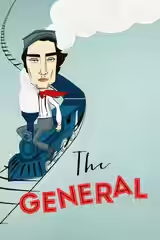
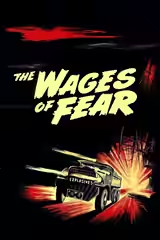
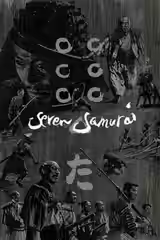
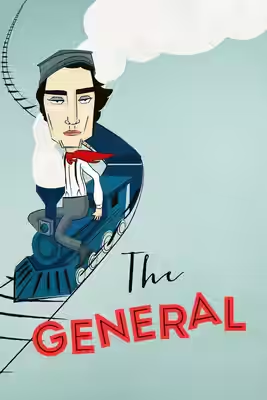
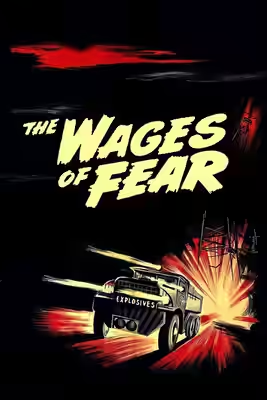
After Mad Max 2, try The General (1926, Fi1m 91): Vehicle choreography so clear that the danger and the jokes need no explanation. Then The Wages of Fear (1953, Fi1m 90): For more danger measured in distance, speed and the behaviour of vehicles; and Seven Samurai (1954, Fi1m 95): A besieged community, reluctant alliances and action that keeps the ground legible.
What order should I watch the Mad Max films in?
Release order is the safe choice for Mad Max, and it is the order our collection page lists them in. Mad Max 2 is number 2 of the 5 Mad Max titles on Fi1m; before it comes Mad Max and after it Mad Max Beyond Thunderdome. The full order.

Part of · 2 of 5

Mad Max

5 films on Fi1m · 1979–2024 · average 78 · best Mad Max 2 88

All 5 in order

Cast

Awards

Hugo Awards, 1983

Nominated
Best Dramatic Presentation

Los Angeles Film Critics Association Award for Best Foreign Language Film, 1983

Won
Los Angeles Film Critics Association Award for Best Foreign Language Film

AACTA Award for Best Cinematography, 1982

Nominated
AACTA Award for Best Cinematography

AACTA Award for Best Costume Design, 1982

Won
AACTA Award for Best Costume Design

AACTA Award for Best Direction, 1982

Won
AACTA Award for Best Direction

AACTA Award for Best Editing, 1982

Won
AACTA Award for Best Editing

AACTA Award for Best Original Music Score, 1982

Nominated
AACTA Award for Best Original Music Score

AACTA Award for Best Production Design, 1982

Won
AACTA Award for Best Production Design

AACTA Award for Best Sound, 1982

Won
AACTA Award for Best Sound

Saturn Awards, 1982

Won
Best International Film

Saturn Awards, 1981

Nominated
Best Costume

If you liked this, try…

  1. The General (1926, Fi1m 91)Vehicle choreography so clear that the danger and the jokes need no explanation.

  2. The Wages of Fear (1953, Fi1m 90)For more danger measured in distance, speed and the behaviour of vehicles.

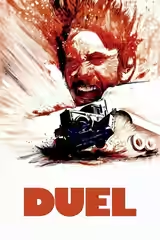
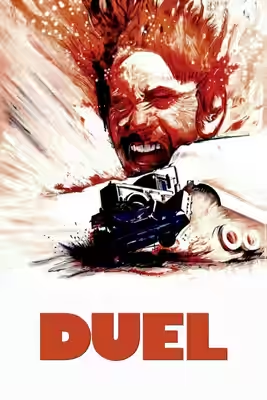
  3. Duel (1971) · not reviewed yetA road thriller that makes a vehicle’s position enough to frighten us.

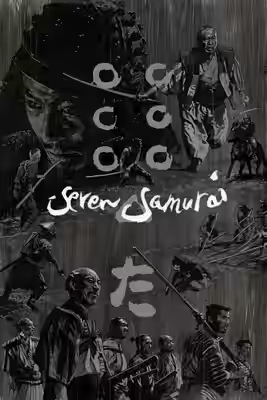
  4. Seven Samurai (1954, Fi1m 95)A besieged community, reluctant alliances and action that keeps the ground legible.

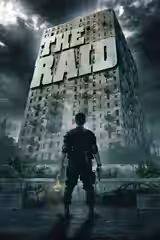
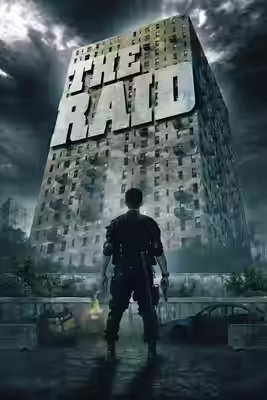
  5. The Raid (2011, Fi1m 83)For tightly organised action in which every metre of space matters.

Free account

Know what to watch tonight

Two lists that know where things are streaming, collections you can share, your own score beside ours, and Discover that remembers what you have seen.

  • Want to see, sorted by what is streaming now
  • Seen, with your score out of ten
  • No adverts, ever