Mel Gibson can make recklessness funny without making it reassuring. We value the restraint of his early work and the friction he creates with other actors; he is less interesting when a film insists too much on his heroism.
Fi1m perspective
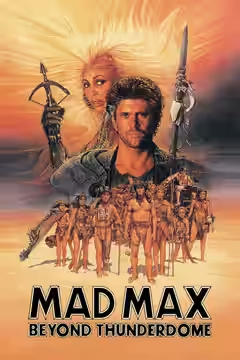
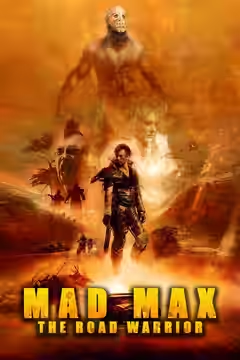
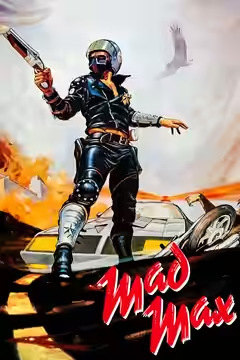
In Mad Max (1979), we find ourselves watching Mel Gibson’s face rather than waiting for him to speak. His restraint gives George Miller’s noisy road thriller a persuasive centre, despite the crude dialogue. The reserve remains useful in Mad Max 2 (1981), though there we wanted more feeling from Rockatansky. It is a superb action film, but our enthusiasm for it does not make this his most interesting performance.
In Peter Weir’s Gallipoli (1981), the competitive friendship between Gibson’s Frank Dunne and Mark Lee’s Archy Hamilton gives him more to play. The early running scenes allow affection to emerge from the pleasure of having someone to compete with. We felt protective of them because they so plainly enjoyed their strength and one another’s company. Weir gives that companionship time, and Gibson is warmer and more engaging here than he is as Rockatansky.
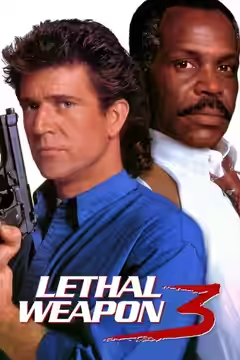
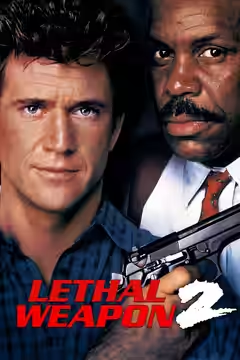
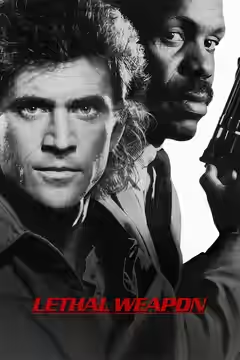
Lethal Weapon (1987) makes his volatility useful, with Richard Donner allowing Martin Riggs to be funny and still troubling. The recklessness Gibson gives Riggs makes us worry about the partner obliged to accompany him. Danny Glover’s Roger Murtaugh has sensible objections and things to lose, and Gibson’s performance benefits from having someone whose caution matters. The plotting is untidy, but the actors give us a reason to stay when the police work does not.
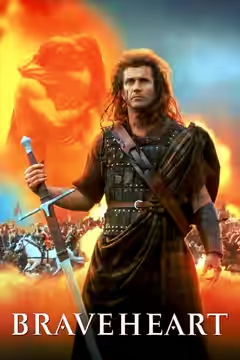
Braveheart (1995), which Gibson directs and stars in as William Wallace, is less willing to question its hero. Gibson commits to Wallace’s bravado, but the script offers few complications and the insistence on his importance becomes tiring. Catherine McCormack gives the romance a dignity that makes the constant return to him less welcome. John Toll’s photography and Steven Rosenblum’s editing keep the battles clear and forceful. We would allow more time for those than for another assurance that Wallace deserves our admiration.
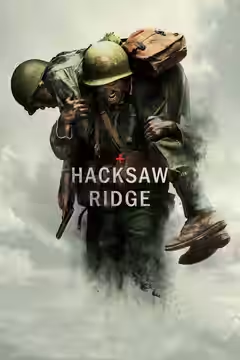
Chicken Run (2000) restores the pleasure of hearing him challenged: his self-satisfied Rocky gives Julia Sawalha’s determined Ginger something useful to push against. Peter Lord and Nick Park need only his voice to make that contrast work. His direction of Andrew Garfield in Hacksaw Ridge (2016) also shows how much gentleness can help a film, though his relish for combat sometimes distracts from the performance. Begin with Lethal Weapon, provided a convincing partnership matters more to the evening than a convincing case.
Biography
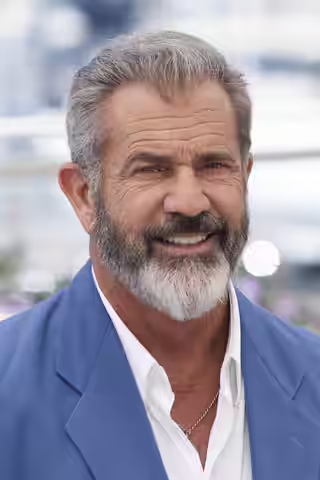
Mel Gibson is an actor, director and producer. Born in Peekskill, New York, he moved with his family to Australia at the age of 12 and studied acting at the National Institute of Dramatic Art in Sydney.
He first gained prominence in the Mad Max films and the Lethal Weapon series. Gibson directed, produced and played the title role in Braveheart (1995), which won Academy Awards for Best Picture and Best Director. He later directed The Passion of the Christ (2004) and Apocalypto (2006).