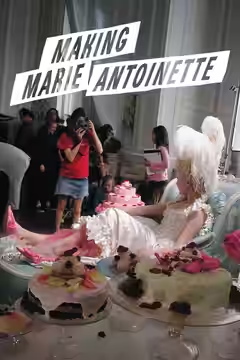
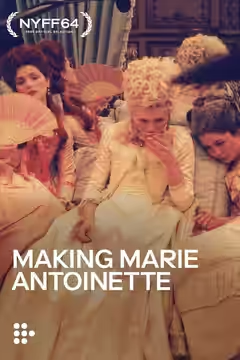
Eleanor Coppola’s view of her daughter at work makes a tender, worthwhile documentary. The family closeness gives the production footage its interest, though we learn less about directing than the access initially promises.
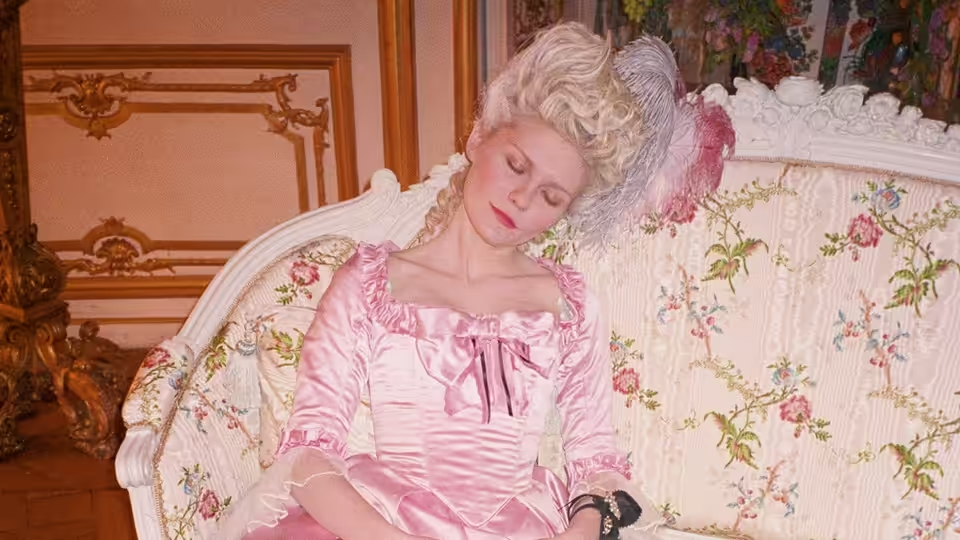
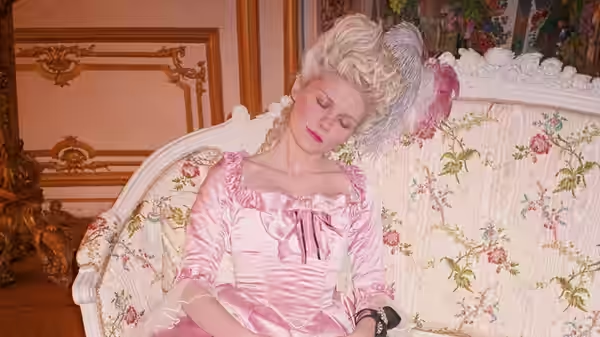
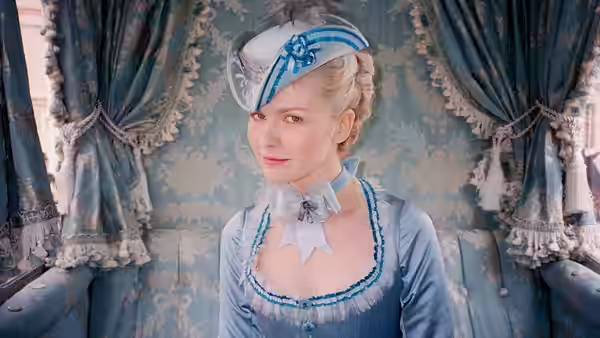
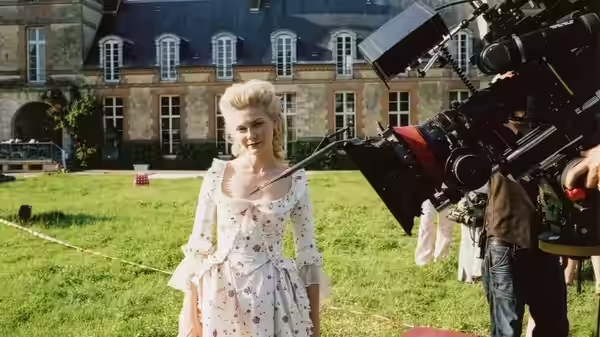
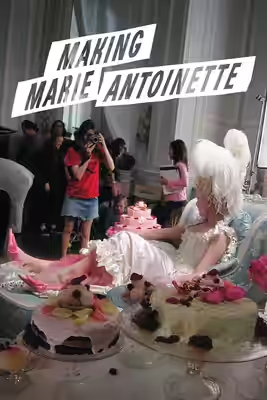
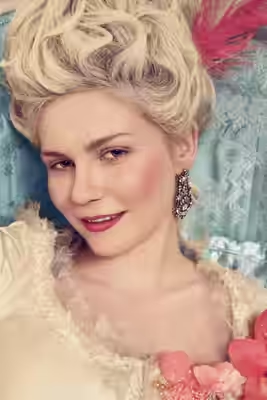
Making Marie Antoinette is a warm, worthwhile documentary, though its access to a film set promises more practical insight than it delivers. Eleanor Coppola follows her daughter Sofia Coppola making Marie Antoinette, with the patience of someone interested in the work between the results. The period production supplies plenty to look at, but the mother’s attention to her daughter gives those details a reason to matter. Anyone hoping for a thorough account of how a director makes decisions will need to accept that the family relationship takes priority.
Eleanor Coppola’s direction is attentive to the production’s elaborate details and to the patience required to get a period feature made. The pleasure lies in being allowed to consider that work without waiting for somebody to lose their temper. Behind-the-scenes documentaries can become rather dependent on disaster; a functioning production deserves attention too. Here, the sense of people steadily making something is enough to sustain our interest.
The journal material gives the woman doing the recording some room to consider her own creative life. Diane Lane provides Eleanor Coppola’s voice, and those reflections become essential to our interest in the production footage. We were unexpectedly moved by the attention paid to the mother’s creativity. Her work could so easily be taken for granted while we concentrate on the film she is documenting. Giving her thoughts space allows us to consider the effort involved in watching and recording someone else, especially someone whose achievement matters to her personally.
The credited editors, Sofia Coppola and Aaron Matthews, have an awkward task: one of them is also the person being watched. Their arrangement of production footage and personal reflection keeps the documentary approachable, with enough room for the mother to register as an artist in her own right. Having the subject involved in the editing also makes us more conscious of how little pressure is put on her. This is a family portrait, and we would have welcomed a little more questioning within it.
The limitation becomes clearest when we want to understand Sofia Coppola’s directing methods. It is possible to enjoy watching capable people work and still want a clearer account of why a decision was made. The documentary offers confidence, care and patient effort; it does not consistently make those qualities instructive. Admirers of Marie Antoinette will have their own knowledge to bring to the footage, while anyone coming to it without that attachment may feel that some of the interest has been assumed.
At 86 minutes, Making Marie Antoinette is worth an evening for anyone curious about creative families and the ordinary work of making a film. Admirers of Marie Antoinette are the natural audience, but the mother’s reflections give others something to take an interest in. Come for that family portrait; keep your expectations of a directing lesson modest.