Carl Franklin’s crime thriller earns its tension through people worth worrying about, with Bill Paxton and Cynda Williams giving it warmth. The opening brutality is overdone, but the human detail makes it worth bearing.
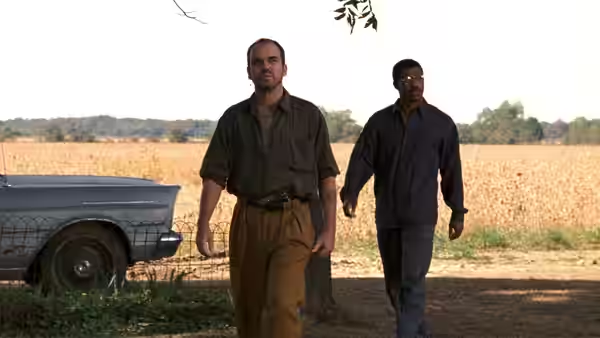
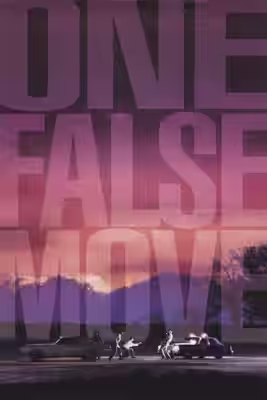
One False Move is a crime thriller worth seeking out, with a harshness that serves its characters even when it threatens to overwhelm them. Carl Franklin follows three criminals towards a small Arkansas town and lets their approaching arrival trouble the scenes that seem most ordinary. Billy Bob Thornton and Tom Epperson’s screenplay gives the people on both sides of the law enough awkwardness and pride to make their choices matter. We want to know what they will do because we have begun to care who they are.
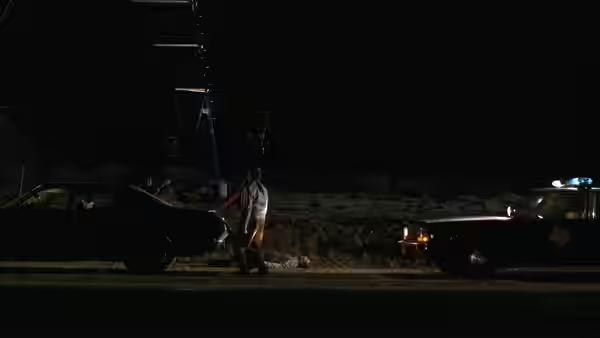
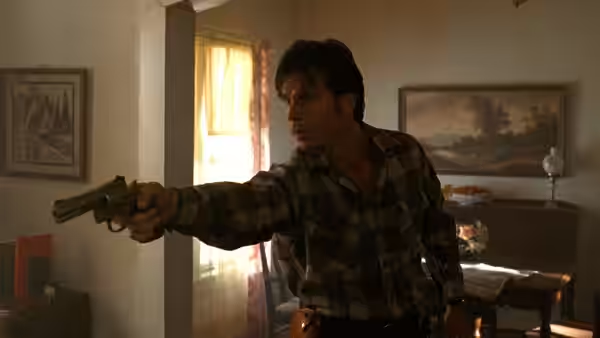
We were horrified by the opening violence. Franklin makes it difficult to approach the subsequent pursuit as a comfortable game, and that unease persists when the film turns towards small-town life. There is a fair objection that the brutality is too emphatic for the more attentive drama around it; we share some of that reservation. The opening establishes the danger, but it also risks overwhelming the quieter scenes that follow.
Bill Paxton gives Dale “Hurricane” Dixon a confidence that is funny until we start worrying about it. He allows the sheriff’s cockiness to show without treating him as a provincial joke, and the warmth of the performance keeps our attention when the character needs more room on the page. Dixon is not developed quite as fully as he might be. Even so, Paxton makes his misplaced confidence sufficiently engaging that we can understand why other people might tolerate it.
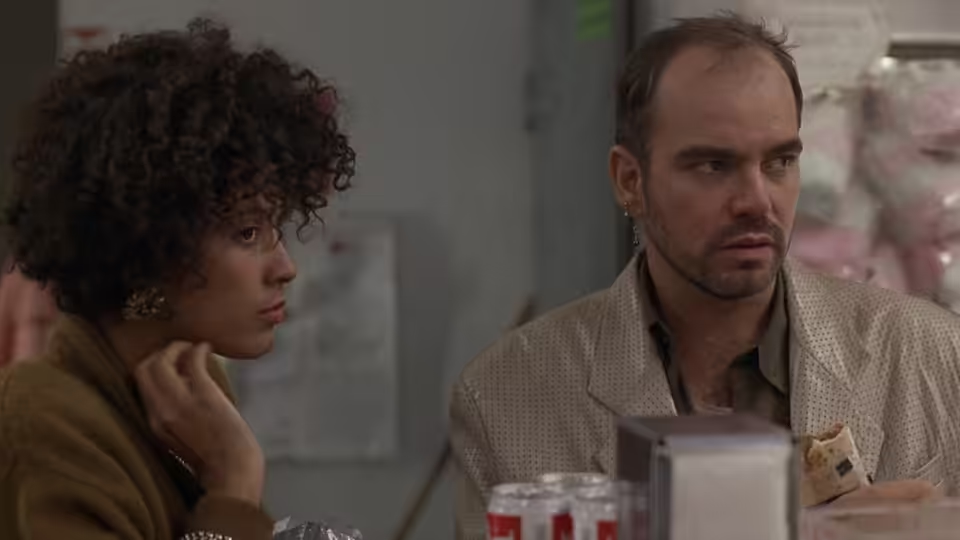
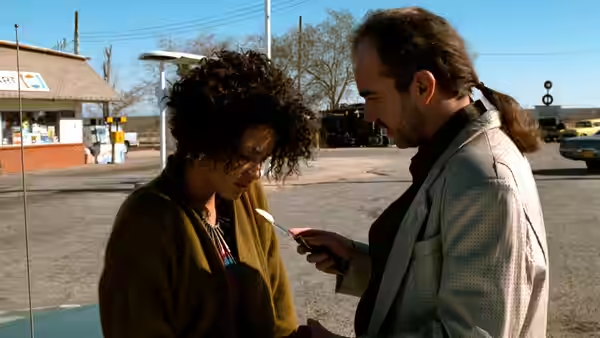
Cynda Williams is just as important as Fantasia, giving the criminal trio an emotional weight that the threat of violence alone could not supply. Alongside Thornton’s Ray Malcolm and Michael Beach’s Pluto, she helps keep the pursuit from becoming a matter of waiting for dangerous people to arrive. Franklin is attentive to racial and sexual inequality without making his characters sound as though they have been assembled to discuss it. Their differences affect how we read them, including whom we are inclined to excuse.
James L. Carter’s cinematography makes the contrast between city and country useful to the story, rather than merely a change of scenery. The places feel different enough for the criminals’ approach to be unsettling before anyone arrives. Gary T. New’s production design is less convincing when the familiar noir trappings call attention to themselves; the film hardly needs extra help announcing what sort of danger is coming. The affectionate attention to small-town life is more persuasive, and allows the place to feel worth protecting.
Editor Carole Kravetz Aykanian keeps the pursuit taut while giving the actors time to register more than alarm. At 105 minutes, the film has room for the awkward exchanges and revealing behaviour that make its suspense matter. The music by Terry Plumeri, Peter Haycock and Derek Holt supports the tension, though it is less distinctive than the performances. Our attention stays with the people and their capacity to misjudge one another.
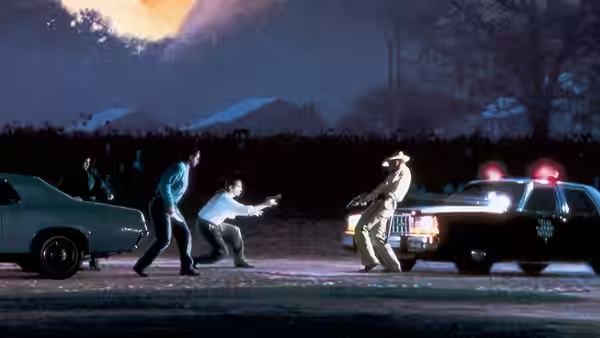
The small-town lawman and the approaching criminals belong as readily to a Western as to noir, and Franklin makes good use of that familiarity. We know the broad shape of the danger, so he can spend time on the people who will have to face it. His occasional insistence on menace is a real flaw in an otherwise assured film. See it for Paxton and Williams, but take the opening’s brutality seriously.