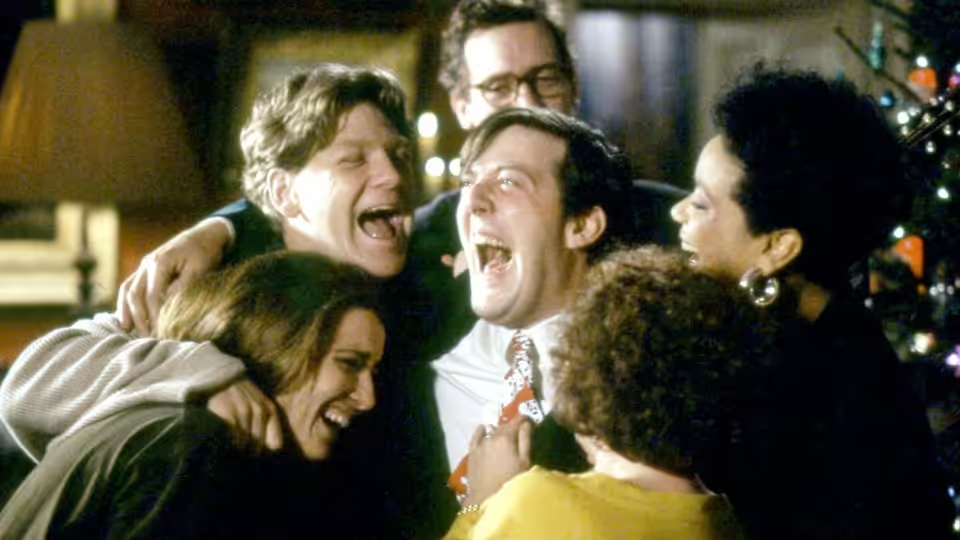
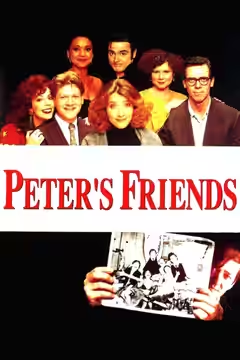
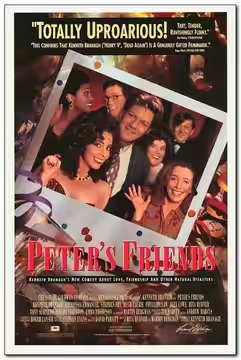
Kenneth Branagh’s reunion comedy is funny, companionable and sometimes more affecting than its busy script deserves. Emma Thompson and Imelda Staunton give it weight, though too many personal crises compete for attention.
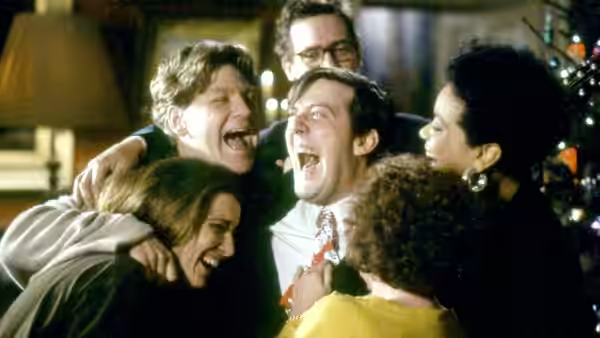
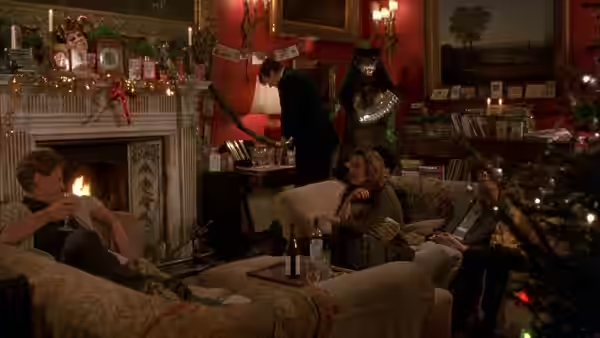
Peter’s Friends is good company, provided we accept that its people sometimes sound as though they have prepared their troubles for an audience. Kenneth Branagh directs a reunion comedy about former university friends meeting again over a weekend, with all the pressure to be amusing that such a gathering suggests. The film wants the laughter to make the hurt easier to recognise. It succeeds often enough to earn our affection, although the script keeps giving this small group more problems than it can properly consider.
The writing by Rita Rudner and Martin Bergman understands the pleasure of people who know how to entertain one another. The jokes let us enjoy their company without requiring us to think they are particularly admirable, and that helps a reunion film avoid becoming smug. There is enough individual character in the exchanges to prevent the cast from sounding like a row of comedians awaiting their turns. When the lines work, familiarity is part of the fun: these people already know how to get a response.
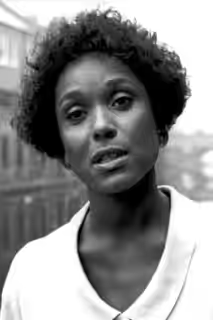
Emma Thompson, as Maggie Chester, makes eccentricity funny without treating the character as a collection of mannerisms. Her oddness feels personal, which matters when the dialogue is so ready with another joke. We laughed more than we expected to, especially at the awkwardness Thompson allows to remain around Maggie’s humour. That slight discomfort gives the comedy something to work against, and keeps her from becoming merely the person brought along to enliven the gathering.
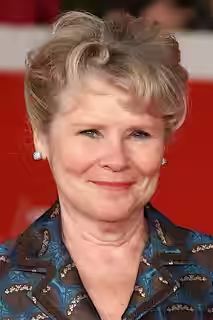
Imelda Staunton’s Mary Charleston makes a stronger impression still. We were moved by her because she makes Mary’s unhappiness credible even when the surrounding comedy encourages us to move on to another joke. Hugh Laurie plays Roger Charleston, and the two give this crowded company a welcome seriousness. The writing asks for sympathy rather insistently elsewhere; Staunton makes it seem a reasonable response to a person.
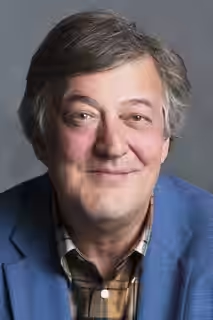
Stephen Fry’s Peter Morton and Branagh’s Andrew Benson are enjoyable company, and Rudner, playing Carol Benson, understands how to make a line count. Yet Rudner and Bergman are less assured when the comedy has to carry several personal crises at once. Too often, a character’s problem seems to have been allotted a place in the programme, ready to be discussed when the previous difficulty has had its turn. We begin to notice the organisation when we ought to be listening to the people.
The difficulty is in the writing, rather than something Roger Lanser’s cinematography or Andrew Marcus’s editing could reasonably cure. Rudner and Bergman keep asking a light comedy to accommodate more unhappiness than it has time to examine. At 101 minutes, the film does not need to be shorter. It needs fewer complications and more time to consider how each one affects these friendships.
The reunion comedy depends on making old friendships interesting to those who were never part of them. Branagh’s actors manage that without asking us to envy the gang or wish we had been at university with them. The pleasure is in recognising the effort of keeping everyone amused, even when it becomes tiring. Choose it for Thompson and Staunton, and allow for a script that is reluctant to let anybody have an uncomplicated weekend.