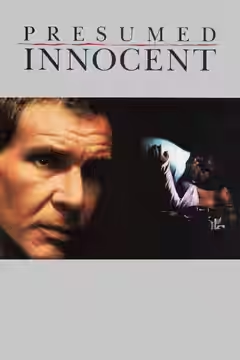
Alan J. Pakula’s courtroom mystery is patient, absorbing and unusually willing to let Harrison Ford seem untrustworthy. Its solemnity occasionally slows it down, but the doubt surrounding Rusty Sabich keeps us watching closely.
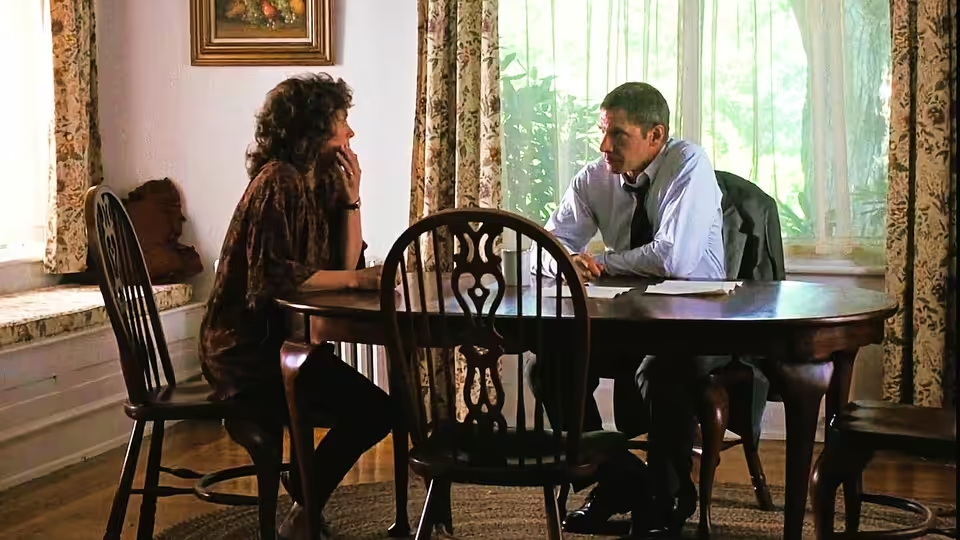
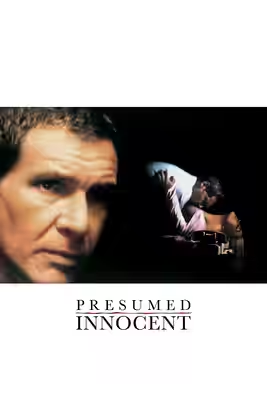
Presumed Innocent is an absorbing courtroom thriller for anyone who would rather study a face than be hurried towards the next surprise. Alan J. Pakula takes Scott Turow’s novel seriously, and the screenplay he writes with Frank Pierson gives suspicion time to become uncomfortable. Harrison Ford’s Rusty Sabich is the crucial choice: a central figure whose guilt we cannot confidently settle by watching him. The film asks us to keep doing just that. We recommend it, with a reservation about how heavily some of its quieter passages tread.
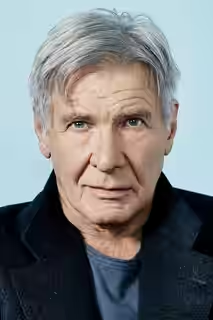
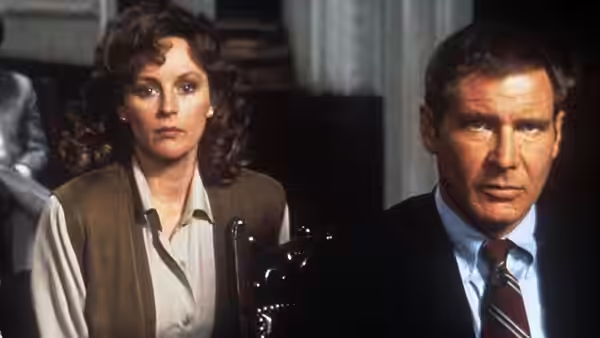
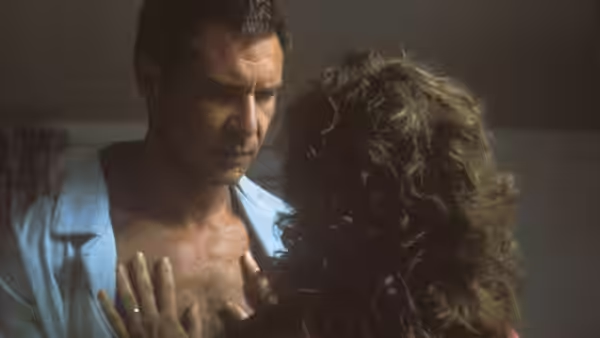
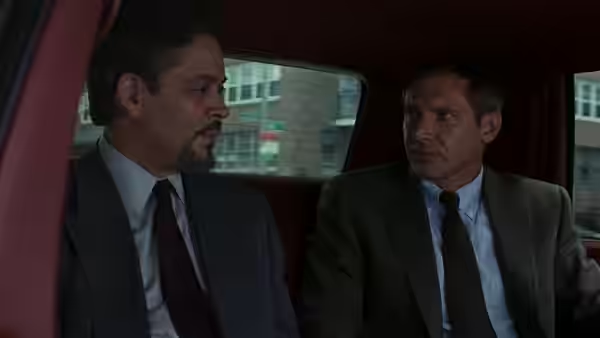
Ford keeps the performance low-key without making Sabich easy company. He avoids the emphatic looks and gestures that would let us relax into a settled judgement, and his stillness leaves room for several readings of the same face. We felt uneasy watching him, because he gives us so little reassurance when we want to believe him. The performance demands close attention, though it also makes us wary of treating every small hesitation as proof.
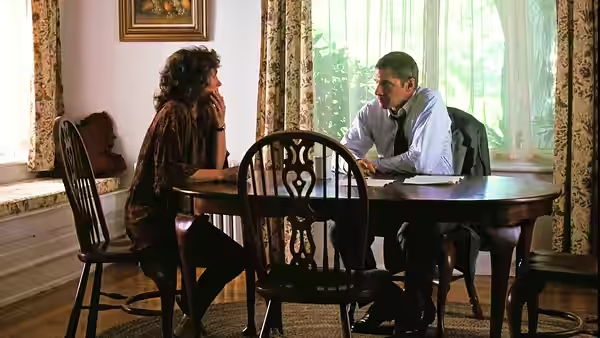
Gordon Willis’s cinematography does much of the unsettling work around him. The long shadows make the legal proceedings feel threatening, and the camera seems to bear down on people who already have enough to worry about. George Jenkins’s production design supports that sober approach; the courtroom feels like a place where people work, which makes its capacity to frighten more credible. The surroundings remain imposing even when the action consists of people considering what another person has said.
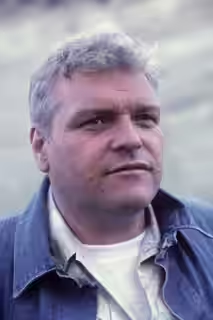
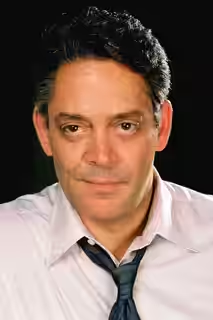
Pakula is equally careful with the people around Ford. Brian Dennehy’s Raymond Horgan has the presence to prevent Sabich from swallowing the film, while Raúl Juliá’s Sandy Stern gives the talk its own quiet authority. Bonnie Bedelia, as Barbara Sabich, rewards close attention too; we want to know what she makes of the man we are trying to read. These performances keep the people interesting even when the legal puzzle requires them to spend time supplying information.
The pace is where our admiration becomes less steady. Evan A. Lottman’s editing allows the performances time to register, but some passages continue after their atmosphere has done the necessary work. John Williams’s music helps sustain the gravity, and there are stretches when a little less gravity would have been welcome. We do not need a courtroom thriller to sprint, and the willingness to wait is often a strength here. Even so, at 127 minutes the film occasionally makes patience feel like an obligation.
The moral unease is what distinguishes it within a familiar genre. The question of whether Sabich is guilty sits alongside the less comfortable matter of how much blame a person can carry without having committed the crime under discussion. Pakula stays with that discomfort, and the performances justify his reluctance to provide much relief from it. Choose it for an evening when close attention sounds appealing; anyone hoping that the lawyers will stop talking and somebody will start running should make other arrangements.