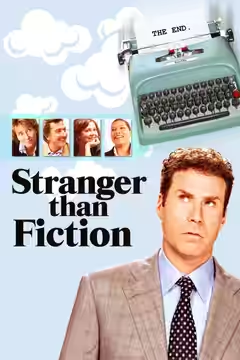
Karen Eiffel (Emma Thompson) leaning over a typewriter on a desk
Film review

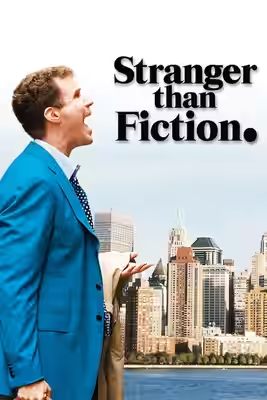
Stranger Than Fiction

2006 · Directed by Marc Forster · 1h 53m · MPA PG-13

In a sentenceWill Ferrell falls in love with the air of a man expecting a written complaint

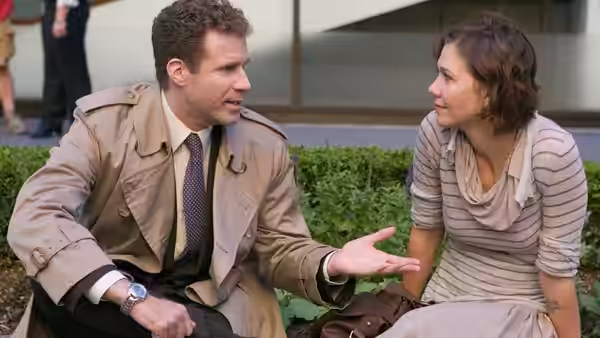
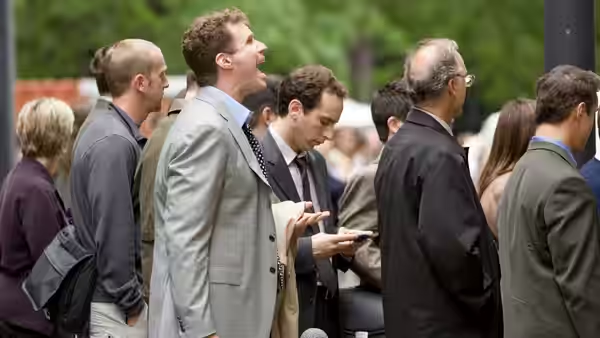
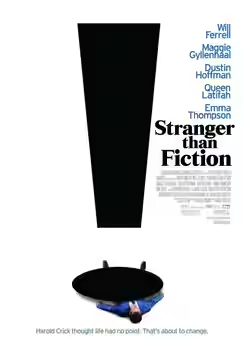
Harold Crick (Will Ferrell) faces questions about whether his life belongs to him or to the story being told about him. A romance with Ana Pascal (Maggie Gyllenhaal) gives his uncertainty a personal urgency as he considers how much control he has over his choices. Emma Thompson plays Karen Eiffel, Dustin Hoffman is Professor Jules Hilbert and Queen Latifah plays Penny Escher. Directed by Marc Forster and written by Zach Helm, the film mixes comedy, romance and fantasy in a story about identity, creativity and the responsibilities that come with shaping another person’s life.

Fi1m review

Will Ferrell’s restrained performance and his warmth with Maggie Gyllenhaal make this romantic fantasy worth an evening. Marc Forster’s film is funny and affecting, though its literary cleverness gets fussy and its answers too tidy.

Marc Forster’s Stranger Than Fiction is a funny, tender romantic fantasy that gets rather pleased with its literary cleverness. We recommend it for Will Ferrell, whose reserve keeps the film human when Zach Helm’s screenplay threatens to turn it into an exercise. The questions concern who gets to shape a life and what responsibility comes with telling a story. They are worth asking, but the film is better when Harold Crick has something personal at stake. Falling in love gives Ferrell plenty to work with.

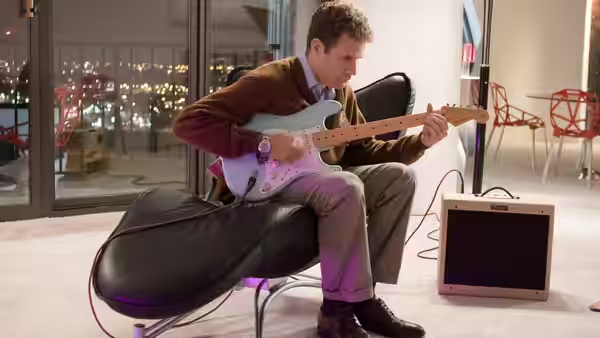
Ferrell plays Harold’s uncertainty without signalling that he finds any of this ridiculous. His shyness has weight, and the muted performance makes the romantic scenes with Maggie Gyllenhaal’s Ana Pascal unexpectedly affecting. We were moved by Harold’s awkwardness with Ana: Ferrell makes the effort of getting close to someone feel difficult, and Gyllenhaal makes it worth the attempt. Their warmth stops the romance feeling like a reward handed out for enduring the philosophical business. Forster is right to trust them without demanding a larger comic performance.

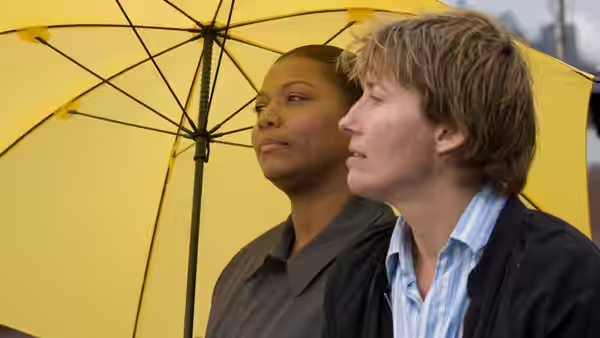
Emma Thompson, as Karen Eiffel, supplies a more forceful sort of comedy, and her performance gives the film some welcome bite. She can make its literary preoccupations entertaining even when the writing risks making them solemn. Dustin Hoffman’s Professor Jules Hilbert is useful as the film’s internal critic, bringing a questioning intelligence to material that occasionally needs someone to challenge it. With performers this assured, Helm’s dialogue can be sharp without everyone seeming to wait for applause.

The visual fuss is harder to forgive, because Ferrell is already doing enough to hold our attention. Roberto Schaefer’s cinematography can feel over-arranged beside that plain, unshowy acting. Kevin Thompson’s production design adds to the distraction; we kept wanting to concentrate on Harold without admiring how carefully the picture around him had been put together. There is pleasure in the care taken, but Forster too often treats an interesting idea as something that needs further decoration.

Matt Chessé’s editing is more persuasive, keeping the comedy brisk enough that the questions about identity do not turn every scene into a discussion group. The pace gives the actors room without allowing the film to become ponderous. Britt Daniel and Brian Reitzell’s music helps the shifts between romantic warmth and unease feel less laboured. Holding comedy, anxiety and romance together is a substantial part of the job here, and the pacing and music do it well.

Helm’s script causes the larger difficulty: it complicates the premise beyond what the characters need, then seems anxious to reassure us about the questions it has raised. We do not need a romantic fantasy to provide a watertight theory of fiction. But a tidy answer does not quite satisfy after the film has made Harold’s uncertainty so affecting. The writing becomes too concerned with making everything fit, and some of its earlier curiosity gets lost in the process.

As a romantic comedy, it has the important advantage of making us want to spend time with its couple. The affection is earned through performance, even where the screenplay makes things too neat. Ferrell’s earnestness allows Forster a degree of sweetness that a broader performance might have made unbearable. Give it an evening if a shy romance appeals, and allow the literary discussion to be a little less convincing.


Critical consensus AI synthesised

72
Positive
9
Mixed
3
Negative
0

Most critics welcome Stranger Than Fiction as an inventive, thoughtful comedy, with praise centred on Will Ferrell’s restrained performance and the vulnerability he brings to the lead role. Emma Thompson also draws strong notices, while several reviews find warmth in Ferrell’s chemistry with Maggie Gyllenhaal. The literary premise generally earns credit for giving the comedy something to think about, and the more enthusiastic reviews praise its light touch with questions of identity, creativity and responsibility.

Reservations cluster around the script’s self-conscious cleverness and a conclusion that several critics find too reassuring or neat. The spread runs from enthusiasm to qualified disappointment, with The Independent finding thin material beneath fussy visuals despite the leads’ chemistry. The romance divides opinion too: Digital Spy considers it underdeveloped and a drag on the pacing, whereas several other reviews regard it as one of the film’s main strengths.

Screen Daily
10 September 2006 · festival review
85*

The review hails the original script, superlative ensemble performances and Forster's light comedic touch, calling it a must-see for discerning audiences with strong word-of-mouth potential after its Toronto premiere.

Read the full review →
Total Film
1 December 2006
80*

A high-brow farce that is both funny and profound, with strong turns from Ferrell and Thompson and a fascinating existential premise. It occasionally feels too neat or cosy in the final reel but delivers laughs with real thought attached.

Read the full review →
The AV Club
9 November 2006 · B · Scott Tobias
77

The critic highlights Will Ferrell’s genuine vulnerability when playing against type and the warm chemistry in his romance with Maggie Gyllenhaal as the film’s strongest elements. The meta premise is seen as charming but ultimately problematic, with the narrative twists feeling overly convoluted compared to a simpler focus on character.

Read the full review →
Empire
24 November 2006 · Ian Freer
75*

The film is a smart, heartwarming high-concept comedy with strong performances and engaging invention, though the ending disappoints slightly. It succeeds as an endearing, entertaining take on postmodern ideas with real charm and tenderness in the romance.

Read the full review →
The Guardian
3 December 2006 · Philip French
75*

The critic praises the film's witty postmodern exploration of creativity and identity, highlighting its intellectual engagement and clever literary allusions. He notes it appeals more to the mind than the heart until a whimsical ending.

Read the full review →
Slant Magazine
30 October 2006 · Robert Keser
65*

The review praises Forster’s lighter touch here as his best work to date and Ferrell’s committed straight-man performance that avoids winking at the audience. It criticizes the script for suggesting too many other films and for rushing to reassure viewers after its unsettling premise about identity and authorship.

Read the full review →

Straight answers AI written, from our review

Is Stranger Than Fiction worth watching?
Stranger Than Fiction is worth an evening for anyone who likes a shy romance with an unusual premise, and we scored it 78. Will Ferrell's restrained performance and his warmth with Maggie Gyllenhaal carry it, while the literary cleverness gets fussy and the answers arrive too tidily. Come for the couple rather than the theory.
How long is Stranger Than Fiction, and what is it rated?
Stranger Than Fiction runs 1h 53m and is rated PG-13 by the MPA in the US. It is a drama and comedy film.
Where can I watch Stranger Than Fiction in the US?
Stranger Than Fiction is streaming on Peacock, Amazon Prime Video, Tubi and The Roku Channel in the US, and it is also available to rent from Amazon Prime Video from $3.99. It leaves Tubi on 1 October. Availability is checked daily; the links above go straight to each service.
How violent or frightening is Stranger Than Fiction, and is it suitable for children?
Stranger Than Fiction is a 12A, a comedy and romance rather than anything violent or frightening, and it suits teenagers comfortably. The unease comes from Harold Crick's uncertainty about whether his life is his own, which younger children may find dull or puzzling rather than upsetting. There is nothing here for the squeamish to worry about.
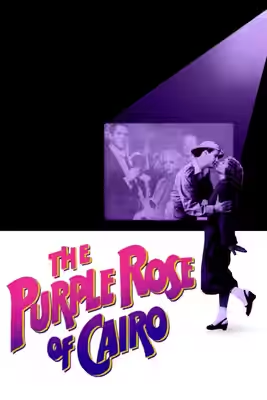
How does Stranger Than Fiction compare to The Purple Rose of Cairo?
Stranger Than Fiction and The Purple Rose of Cairo both let fiction interrupt an ordinary life and use romance to make the impossible premise matter, but Woody Allen's film is the tighter of the two. Mia Farrow's need to escape is painfully convincing, where Marc Forster's film decorates its idea and tidies its answers. Choose Ferrell for sweetness, Farrow for feeling.
What should I watch after Stranger Than Fiction?
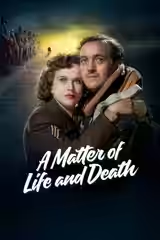
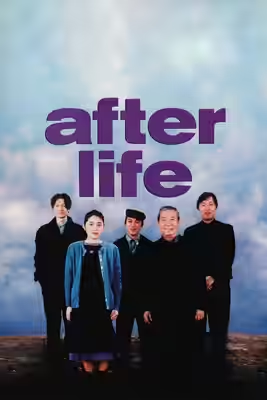
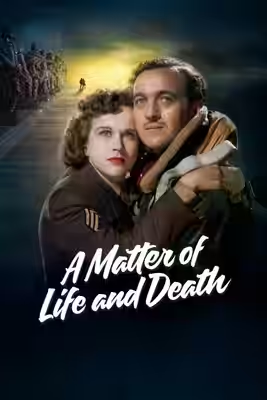
After Stranger Than Fiction, try The Purple Rose of Cairo (1985, Fi1m 84): Fiction interrupts ordinary life, with romance making the impossible premise matter. Then After Life (1998, Fi1m 85): Another gentle fantasy that takes ordinary lives, and their telling, seriously; and A Matter of Life and Death (1946, Fi1m 92): Romance faces an impossible predicament, with wit and tenderness keeping it human.

Cast

If you liked this, try…

  1. The Purple Rose of Cairo (1985, Fi1m 84)Fiction interrupts ordinary life, with romance making the impossible premise matter.

  2. After Life (1998, Fi1m 85)Another gentle fantasy that takes ordinary lives, and their telling, seriously.

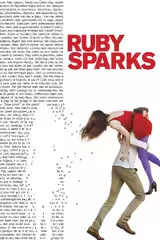
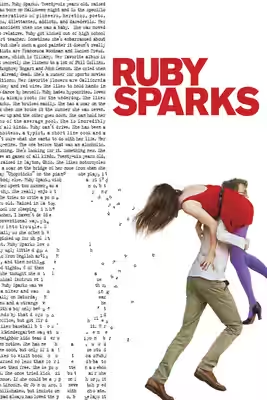
  3. Ruby Sparks (2012) · not reviewed yetAuthorship and romance become uncomfortable companions in a sharper examination of control.

  4. A Matter of Life and Death (1946, Fi1m 92)Romance faces an impossible predicament, with wit and tenderness keeping it human.

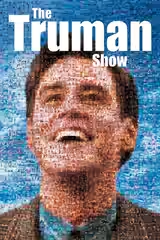
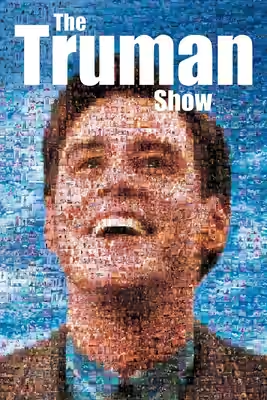
  5. The Truman Show (1998, Fi1m 88)Another comic actor finds vulnerability in a life shaped by someone else.

Free account

Know what to watch tonight

Two lists that know where things are streaming, collections you can share, your own score beside ours, and Discover that remembers what you have seen.

  • Want to see, sorted by what is streaming now
  • Seen, with your score out of ten
  • No adverts, ever