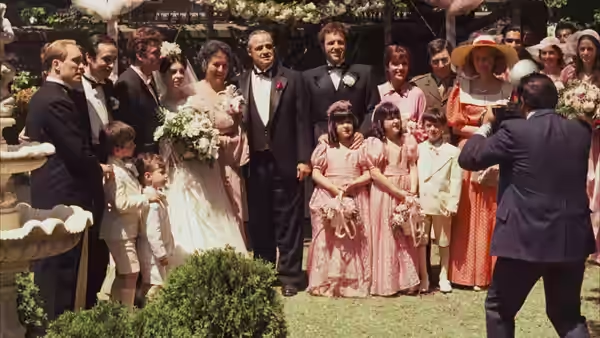
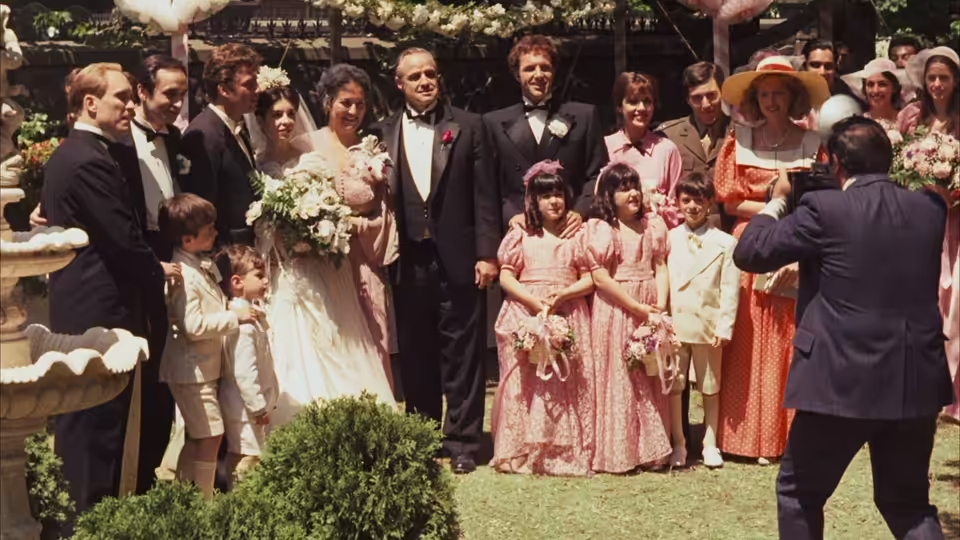
Don Vito Corleone (Marlon Brando) stands with bride and family at outdoor wedding
Film review

The Godfather

1972 · Directed by Francis Ford Coppola · 2h 55m · MPA R

In a sentenceWe know the Corleones are criminals; we would still like them to think well of us

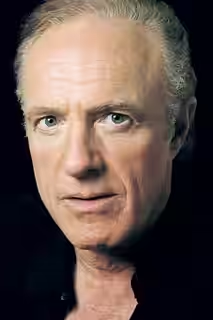
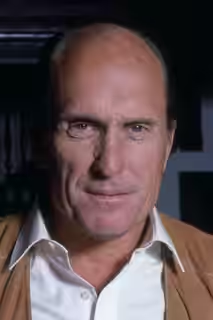
Don Vito Corleone presides over a Mafia dynasty, with family loyalties bound up in the running of a criminal enterprise. Marlon Brando plays the patriarch, alongside Al Pacino as Michael Corleone, James Caan as Sonny Corleone and Robert Duvall as Tom Hagen. The story follows the family’s exercise of power and the obligations that come with belonging to it. Personal influence shapes a society where public principles offer little protection. Francis Ford Coppola directs this adaptation of Mario Puzo’s novel, with Diane Keaton as Kay Adams and Talia Shire as Connie Corleone Rizzi.

Plays from YouTube when you press play; nothing loads from them until then.

Fi1m review

Francis Ford Coppola’s Mafia family drama earns its length through patient storytelling and performances that make criminal authority disturbingly attractive. The crowded family politics can take some sorting out, but we would recommend it without hesitation.

The Godfather asks us to spend enough time with the Corleones to understand why people accept their authority. Francis Ford Coppola makes that invitation dangerously easy to accept, and we would recommend the film even to someone who normally avoids gangster stories. At 175 minutes, it has room for the family loyalties to become as absorbing as the criminal business. The screenplay is by Coppola and Mario Puzo, adapting Puzo’s novel.

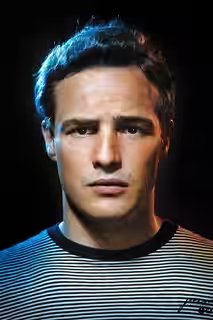
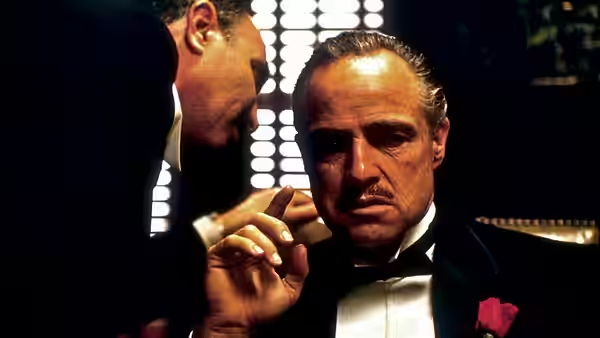
Marlon Brando’s Don Vito Corleone is the chief reason the invitation works. The performance gives authority the reassuring appearance of something earned over a lifetime, so that we begin to accept the Don’s importance without asking what entitles him to it. We were unsettled by how readily we wanted this man to get his way. Brando’s composed bearing did it: he makes command feel like the reasonable work of a family elder. The film gives us time to enjoy his company.

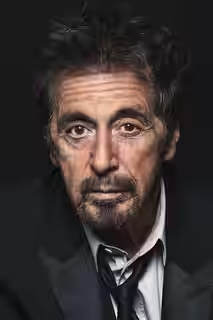
Al Pacino’s Michael Corleone rewards a different kind of attention. Pacino makes us watch for small changes, and the patience of his performance gives the family story much of its pull. James Caan’s Sonny Corleone brings a welcome impatience to the ensemble. His energy prevents all that weighty authority from making the film ponderous, while Robert Duvall’s quieter Tom Hagen gives the exchanges another pace.

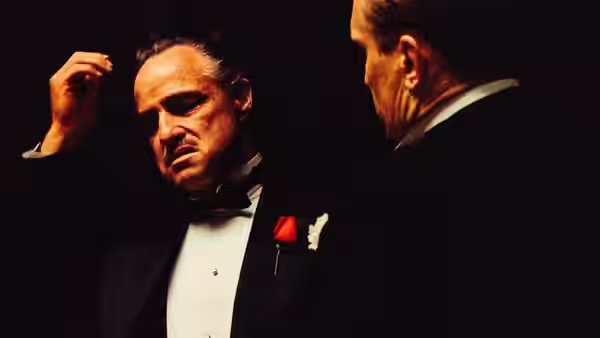
Gordon Willis’s cinematography lets deep blacks occupy much of the image, with autumnal browns supplying a warmth that keeps the darkness from feeling merely forbidding. The effect is welcoming enough to make us forget how little we can see. Dean Tavoularis’s production design gives the Corleones surroundings that feel lived in, and helps make their comfort persuasive. The family looks as if it has been comfortable here for years and expects to remain so.

Editors William Reynolds and Peter Zinner allow time for us to register who carries weight in each exchange. We can follow a scene’s pressure even when we are still sorting out the people in it. Nino Rota’s music encourages affection for the family, and its warmth makes their company harder to dismiss. We might otherwise be able to keep these criminals at a safe distance, admiring the actors while congratulating ourselves on knowing better.

The reservation is clarity. With so many relationships competing for attention, there are passages when keeping track of the family requires more effort than it should. Coppola’s patience usually helps us find our bearings, though he occasionally seems more confident that we know everyone than a first viewing warrants. The long running time allows this uncertainty to linger, and anyone struggling early on should know that the film does ask for sustained concentration.

Within the gangster genre, this is unusually patient about letting us enjoy the ordinary pleasure of being among people who know one another well. That choice makes the brutality harder to shrug off. Coppola gives the violence enough force to disturb the affection he has encouraged, without pretending that affection simply disappears. Set aside an uninterrupted evening, preferably with someone willing to admit which of the Corleones they found themselves making excuses for.
Critical consensus AI synthesised

89
Positive
9
Mixed
0
Negative
0

The consensus is strongly positive, with praise clustering around the performances, the family drama and the film’s account of American power. Most critics single out Marlon Brando’s authority as the Don, while Al Pacino and the ensemble receive sustained attention. The reviews admire how Coppola makes the Corleones’ enclosed world compelling without losing sight of its brutality. The dark photography and careful establishment of period and mood also earn praise, alongside readings that connect organised crime to capitalism and respectable institutions.

Reservations concern length and clarity rather than the film’s central achievements. Variety finds it overlong and occasionally confusing, while Sight and Sound questions both its length and its self-effacing style. Other reviews praise its control across the long running time. The spread is narrow in sentiment: even the more qualified accounts admire the acting, with disagreement chiefly about how effectively the sprawling family story holds together.

Time Out
21 September 2024 · ★★★★★ · Tom Huddleston
100

The film is the single most financially successful movie to date and remains almost universally beloved, appearing in the top rank of best movie lists. It is grand entertainment as well as an emotional and intellectual experience, with a Shakespearean story, striking black and autumnal brown photography, shocking violence and flawless performances.

Read the full review →
Empire
24 August 1972 · Kim Newman
90*

The critic views it as marking the dawn of the mega-movie era, transitioning organized crime while blending art and commercial appeal. They praise its performances, style, substance, and how it achieves box office success without being mindless, noting it has aged better than most films from the early 1970s.

Read the full review →
Evening Standard
10 April 2012
90*

The original Godfather stands as a near-perfect example of classical filmmaking and a generational saga. It features superb performances, a tight grip over its long runtime and darkly ironic commentary.

Read the full review →
RogerEbert.com
16 March 1997 · Roger Ebert
90*

Ebert praises the film for inviting viewers to consider the Mafia entirely on its own terms within a closed world, making even evil characters sympathetic. He singles out the virtuoso filmmaking in introducing the large cast and Gordon Willis' rich, atmospheric cinematography for praise.

Read the full review →
The AV Club
4 October 2019 · Tom Breihan
90*

The critic highlights the film's indictment of American capitalism and corruption through Michael Corleone's arc and iconic scenes like the baptism montage. It is celebrated as a mythic, operatic masterpiece that remains compelling and rewatchable.

Read the full review →
The Hollywood Reporter
15 March 1972 · Arthur Knight
90*

The critic finds the film an extraordinary achievement that successfully adapts the novel while delivering a richly detailed epic of family, power, and crime. Particular praise goes to Marlon Brando's transformative performance as the aging don and the seamless ensemble interplay among the cast.

Read the full review →

Straight answers AI written, from our review

Is The Godfather worth watching?
The Godfather is worth watching, and we scored it 93; we would recommend it even to someone who normally avoids gangster films. Marlon Brando and Al Pacino make criminal authority disturbingly easy to accept across 175 patient minutes. The crowded family politics do ask for sustained concentration, so set aside an uninterrupted evening rather than watching it in pieces.
How long is The Godfather, and what is it rated?
The Godfather runs 2h 55m and is rated R by the MPA in the US. It is a drama and crime film.
Where can I watch The Godfather in the US?
The Godfather is streaming on Paramount+, The Roku Channel and Apple TV in the US, and it is also available to rent from Apple TV from $3.99. Availability is checked daily; the links above go straight to each service.
How violent or frightening is The Godfather, and is it suitable for children?
The Godfather carries a UK 15 certificate and is not suitable for children. The violence is brutal when it comes, and Coppola gives it enough force to disturb, deliberately, after so much time spent enjoying the family's company. It is a crime drama rather than a horror film; older teenagers who can manage 175 minutes of patient storytelling should be fine, but the squeamish should be warned.
How does The Godfather compare to The Godfather Part II?
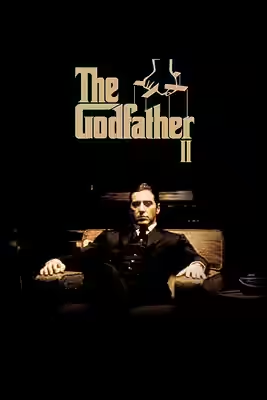
The Godfather is the warmer and more approachable of the two films, and the better place to begin; The Godfather Part II is the more upsetting. The first spends its length letting us enjoy the Corleones' company before the brutality registers, while the sequel's account of criminal power, through Pacino and Robert De Niro, cuts deeper but drags through some cumbersome political intrigue. We rate both highly.
Is The Godfather based on a true story or a book?
The Godfather is adapted from Mario Puzo's novel rather than a true story, and Puzo wrote the screenplay with Francis Ford Coppola. Our review does not measure how closely the film follows the book, and you do not need to have read it. The film introduces the Corleones itself, though a first viewing asks you to keep a crowded family straight.
Do you need to have seen the other The Godfather films before The Godfather?
The Godfather is the first film in its series, so there is nothing you need to have seen before it, and it is the right place to start. It stands complete on its own, and the later films build on the family history it establishes. Newcomers should expect to work at telling the Corleones apart early on, since Coppola assumes a little more familiarity than a first viewing warrants.
What should I watch after The Godfather?
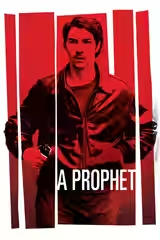
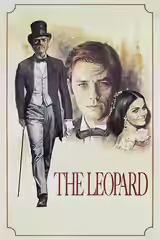
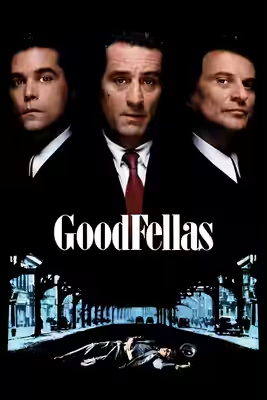
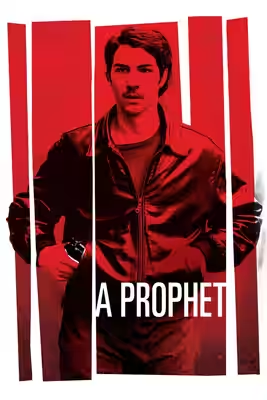
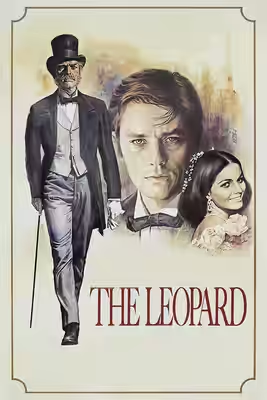
After The Godfather, try Goodfellas (1990, Fi1m 93): For another crime family whose company becomes increasingly difficult to enjoy. Then A Prophet (2009, Fi1m 86): For patient attention to how a newcomer learns the uses of power; and The Leopard (1963, Fi1m 88): For family authority, changing fortunes and rooms that explain who holds power.
What order should I watch the The Godfather films in?
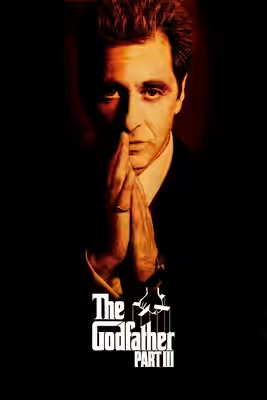
Release order is the safe choice for The Godfather, and it is the order our collection page lists them in. The Godfather is the first of the 3 The Godfather titles on Fi1m; after it The Godfather Part II. The full order.

Part of · 1 of 3

The Godfather

3 films on Fi1m · 1972–1990 · average 83 · best The Godfather 93

All 3 in order

Cast

Awards

Academy Awards, 1973

Nominated
Best Costume Design
Nominated
Best Director
Nominated
Best Film Editing
Nominated
Best Original Dramatic Score
Nominated
Best Sound
Nominated
Best Supporting Actor
Won
Best Actor
Won
Best Picture
Won
Best Writing, Adapted Screenplay

Golden Globes, 1973

Won
Best Actor – Motion Picture Drama
Won
Best Motion Picture – Drama
Won
Best Screenplay

If you liked this, try…

  1. Goodfellas (1990, Fi1m 93)For another crime family whose company becomes increasingly difficult to enjoy.

  2. A Prophet (2009, Fi1m 86)For patient attention to how a newcomer learns the uses of power.

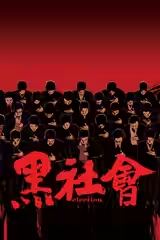
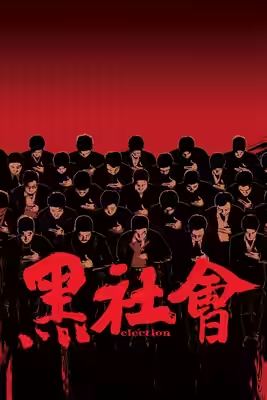
  3. Election (2005) · not reviewed yetFor criminal succession treated as an ugly business of favours and intimidation.

  4. The Leopard (1963, Fi1m 88)For family authority, changing fortunes and rooms that explain who holds power.

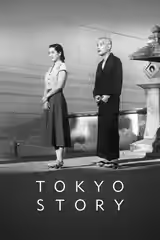
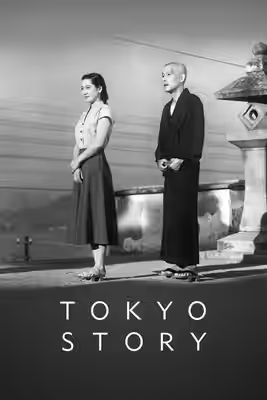
  5. Tokyo Story (1953, Fi1m 92)For a quieter reckoning with what families believe they owe one another.

Free account

Know what to watch tonight

Two lists that know where things are streaming, collections you can share, your own score beside ours, and Discover that remembers what you have seen.

  • Want to see, sorted by what is streaming now
  • Seen, with your score out of ten
  • No adverts, ever