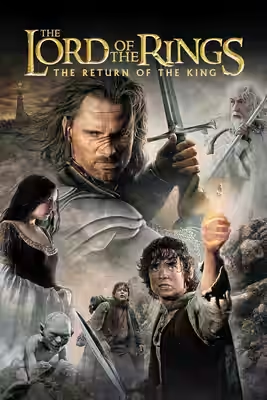
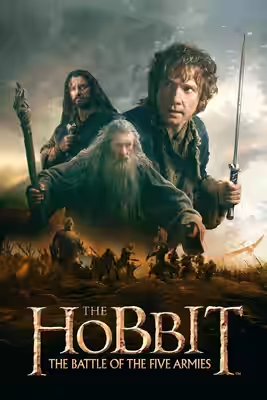
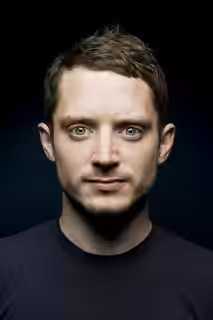
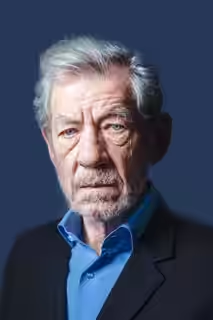
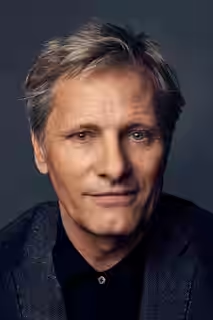
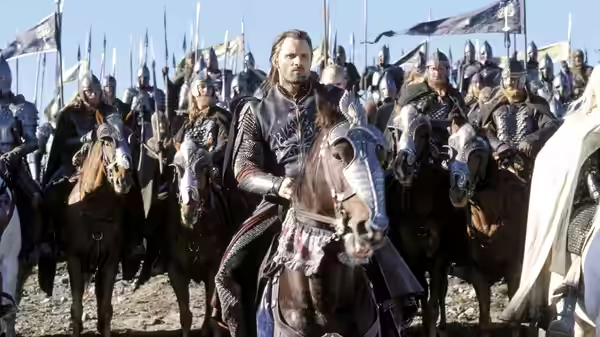
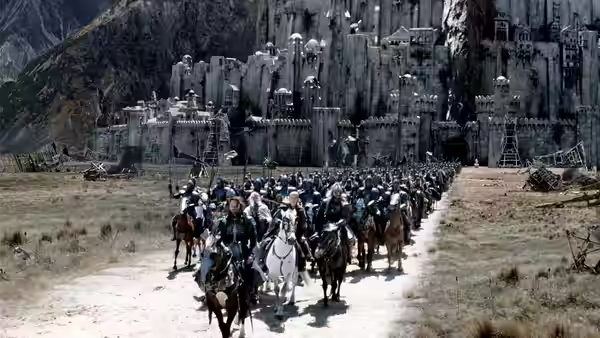
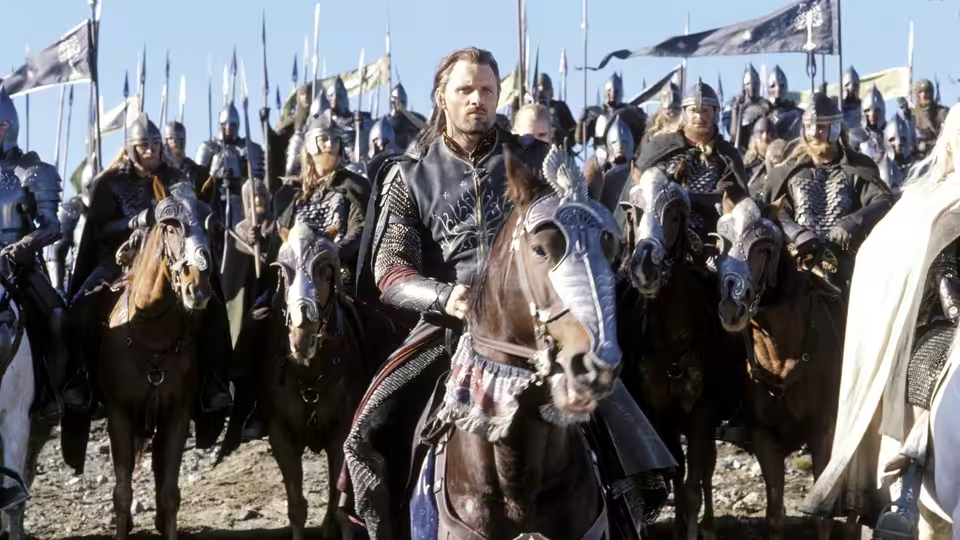
Aragorn (Viggo Mortensen) riding at the head of a mounted army
Film review

The Lord of the Rings: The Return of the King

2003 · Directed by Peter Jackson · 3h 21m · MPA PG-13

In a sentenceAll those armies, and we kept worrying about two hobbits

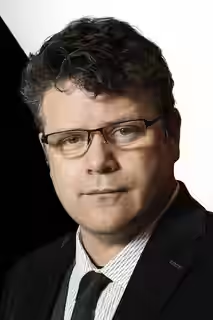
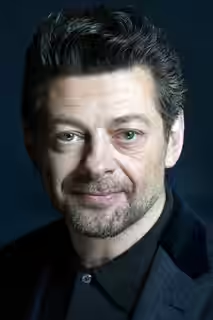
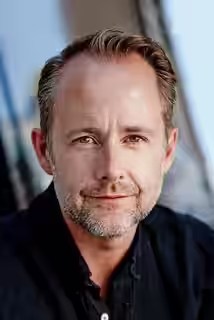
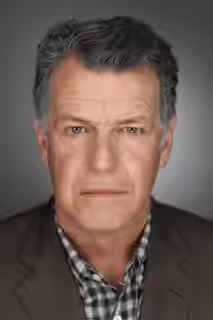
Frodo (Elijah Wood) and Sam (Sean Astin) face personal ordeals as a wider conflict brings vast armies into battle. Peter Jackson’s adaptation of J. R. R. Tolkien’s novel reaches its concluding instalment, with Gandalf (Ian McKellen) and Aragorn (Viggo Mortensen) among the central figures. Andy Serkis plays Gollum / Smeagol, while Dominic Monaghan and Billy Boyd play Merry and Pippin. Other strands follow Éowyn (Miranda Otto), Théoden (Bernard Hill), Denethor (John Noble) and Faramir (David Wenham). The fantasy adventure moves between the hobbits’ struggles and large-scale warfare, drawing together characters from across the preceding instalments.

Plays from YouTube when you press play; nothing loads from them until then.

Fi1m review

Peter Jackson’s fantasy finale is thrilling and moving, with Elijah Wood and Sean Astin keeping the vast battles from taking over. It deserves the long evening, though several stretches could be shorter.

Peter Jackson asks us to take the courage and loyalty in The Lord of the Rings: The Return of the King seriously. The film is thrilling, often moving, and sufficiently interested in its people to make the enormous battles matter. There is no embarrassment about making fantasy this solemn, and little need for it. The qualification is the running time: at 201 minutes, the film gives some emotions more time than they need.

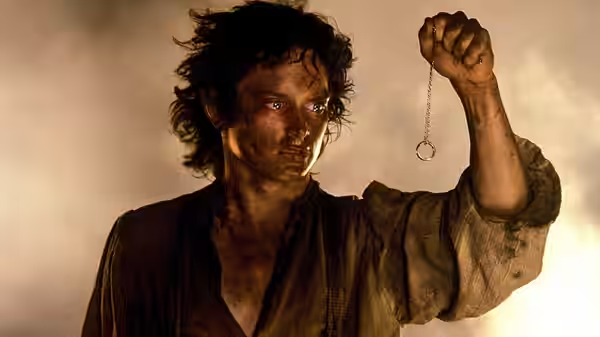
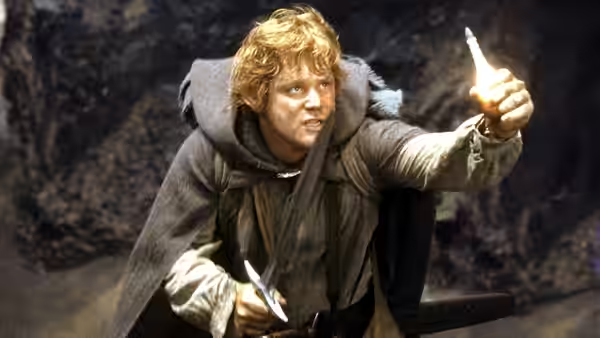
Elijah Wood and Sean Astin do the most persuasive work as Frodo and Sam. Wood makes Frodo’s distress hard to sit with, while Astin gives Sam’s concern a stubbornness that keeps the affection from becoming sugary. We were moved by the way Astin watches Wood’s Frodo, always seeming to assess how much more he can take. Jackson allows that quiet attention to register, which is crucial when the competing story strands are making so much noise.

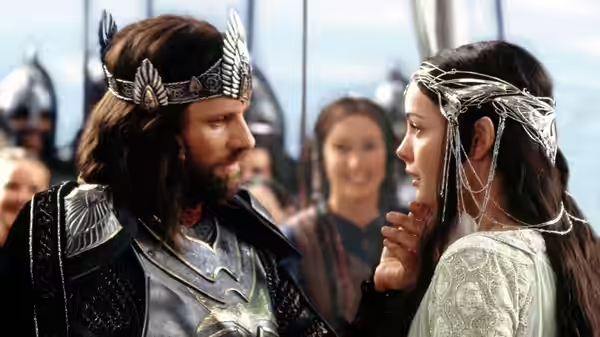
Andy Serkis makes Gollum an uneasy presence even before any question of what he might do. His performance is restless enough to hold our attention without relying solely on the character’s appearance. Ian McKellen’s Gandalf supplies welcome steadiness, and Viggo Mortensen gives Aragorn a reserve that makes the grand manner easier to accept. These performances help Jackson maintain a level of seriousness that could quickly become ponderous if everyone delivered every line as a proclamation.

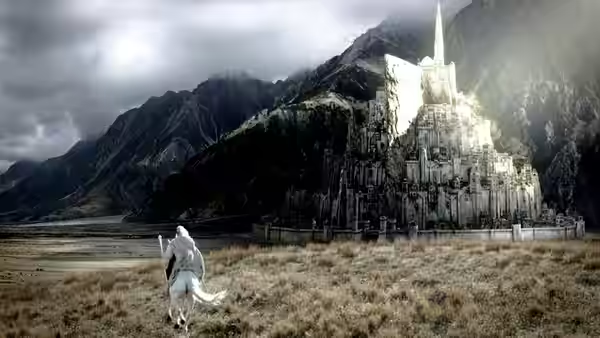
The Minas Tirith battle brings Andrew Lesnie’s cinematography and Grant Major’s production design into particularly effective partnership. Lesnie’s broad views let the size of the fighting register, and Major makes the city feel substantial enough for its protection to matter. We were thrilled by the scale, but could still care about what was being threatened. The effects have room to impress without making the setting feel disposable, and the images reward attention beyond the nearest clash.

Jamie Selkirk’s editing generally keeps the different strands clear, even when the film has several claims on our attention at once. The changes in scale are particularly well judged: a return to the hobbits does not feel like an interruption of the important business. Howard Shore’s music helps by treating their troubles with the same seriousness as the military spectacle. It is emphatic scoring, occasionally too insistent, but it supports performances that would suffer if the actors had to keep raising their voices.

The screenplay, by Fran Walsh, Philippa Boyens and Jackson, is less disciplined about repetition. Too many declarations tell us how firmly people intend to persevere when their behaviour has already settled the question, and some supporting stories feel hurried despite the length. John Noble’s Denethor and David Wenham’s Faramir belong to an ensemble that the film cannot always give enough breathing space. We would shorten some of those declarations before cutting another character’s time.

Fantasy of this kind can become a procession of names and battles that expects devotion simply for keeping track. Jackson is more interested in what such an adventure asks of the people caught up in it, and his actors make that worth considering. We would not start here: too much of the pleasure depends on arriving with an attachment to the characters. Watch the earlier instalments first, then give this one an evening with no other appointments.
Critical consensus AI synthesised

88
Positive
8
Mixed
0
Negative
0

Most critics welcome The Return of the King as a deeply affecting conclusion to the trilogy, with praise centred on Jackson’s command of spectacle and the emotional weight of the characters’ journeys. The vast battles, landscapes and special effects draw broad admiration, while several reviews stress that the scale does not crowd out the hobbits’ story. Nuances in the performances and a darker tone help give the conclusion its force.

The reservations concern length, repetition and the uneven attention paid to individual storylines. Enthusiasm varies considerably beneath the broad approval: Slant finds the film overstuffed, while Time Out argues that the logistics overwhelm Jackson, leaving repetitive dialogue and abbreviated story strands. The Guardian offers a sharper dissent, admiring the technical achievement but finding the treatment of good and evil shallow and the appeal adolescent. Even the more reserved reviews generally acknowledge the scale of the filmmaking achievement.

Empire
★★★★★ · Alan Morrison
100

The critic praises Jackson for sustaining momentum through the trilogy and delivering a more affecting climax than the book. The performance nuances, darker tone and emotional payoff for long-term viewers are singled out for praise.

Read the full review →
Radio Times
★★★★★ · Alan Jones
100

Jackson delivers a powerful and enchanting conclusion that mixes myth and magic with astonishing scope; the Minas Tirith battle is singled out as one of cinema's greatest sequences despite some minor gripes about length and character time.

Read the full review →
RogerEbert.com
17 December 2003 · ★★★★/4 · Roger Ebert
100

The critic calls this the best of the trilogy, praising its grand confidence in dispatching characters to their destinies and its visionary use of special effects for pure spectacle. He notes it redeems earlier meandering but falls a little short of greatness due to the story's inherent silliness.

Read the full review →
Total Film
17 December 2003
90*

The critic calls it a worthy conclusion to a modern epic that exceeds expectations and leaves viewers emotionally sated. The Battle of Pelennor Fields spectacle and overall investment in character arcs are singled out for praise.

Read the full review →
The New York Times
16 December 2003 · Elvis Mitchell
85*

The critic finds Jackson avoids caution or unimaginativeness, delivering a meticulous and prodigious vision. The film ends with a gentle, regret-tinged epilogue that provides an enduring and heartbreaking coda.

Read the full review →
The New Yorker
5 January 2004 · Anthony Lane
80*

The critic highlights Jackson's nerve in reviving grand, unembarrassable filmmaking on an epic scale with unflagging momentum. He praises the bracing vastness of the project and its magnificent indifference to irony.

Read the full review →

Straight answers AI written, from our review

Is The Lord of the Rings: The Return of the King worth watching?
The Lord of the Rings: The Return of the King is worth watching for anyone who has seen the earlier films and can give it a whole evening, and we scored it 88. It is thrilling and moving, with Elijah Wood and Sean Astin keeping the vast battles from taking over. The qualification is the 201-minute running time, which lets some declarations run longer than they need.
How long is The Lord of the Rings: The Return of the King, and what is it rated?
The Lord of the Rings: The Return of the King runs 3h 21m and is rated PG-13 by the MPA in the US. It is an adventure and fantasy film.
Where can I watch The Lord of the Rings: The Return of the King in the US?
The Lord of the Rings: The Return of the King is streaming on Disney+, HBO Max, The Roku Channel, Hulu and Amazon Prime Video in the US, and it is also available to rent from Amazon Prime Video from $5.99. Availability is checked daily; the links above go straight to each service.
How violent or frightening is The Lord of the Rings: The Return of the King, and is it suitable for children?
The Lord of the Rings: The Return of the King is a 12A, built around large-scale fantasy battles rather than gore, and it suits most teenagers. Younger children may find the sustained warfare, Frodo's evident distress and Andy Serkis's unsettling Gollum hard going, and the length alone is a test. Squeamish adults will be fine.
How does The Lord of the Rings: The Return of the King compare to The Lord of the Rings: The Two Towers?
The Lord of the Rings: The Return of the King is the more moving of the two films, and it holds its competing storylines together better than The Two Towers, whose divided plot sometimes lumbers. Both are long and both give Andy Serkis's Gollum room to unsettle. Viewers who want the armies to matter for the people caught in them will prefer the finale.
Is The Lord of the Rings: The Return of the King based on a true story or a book?
The Lord of the Rings: The Return of the King is based on J. R. R. Tolkien's novel, as the concluding instalment of Peter Jackson's adaptation. You do not need to have read the book to follow the film, which stands on its actors rather than on any knowledge of the source. Having seen the earlier films matters far more.
Do you need to have seen the other Middle-earth films before The Lord of the Rings: The Return of the King?
The Lord of the Rings: The Return of the King does not stand alone, and it is the wrong place to start in the Middle-earth series. The film draws together characters and strands from the preceding instalments, and much of its emotional pull depends on arriving already attached to Frodo, Sam and the others. Watch the earlier films first.
What should I watch after The Lord of the Rings: The Return of the King?
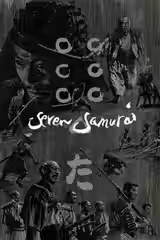
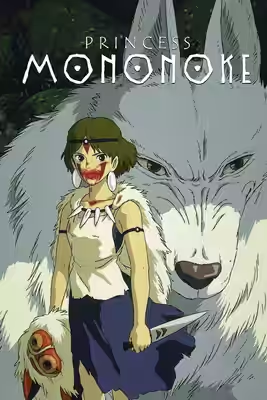
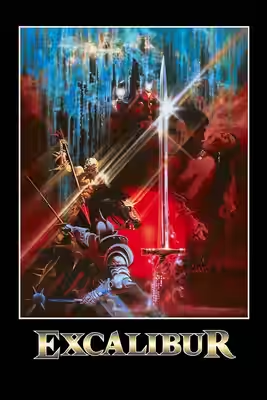
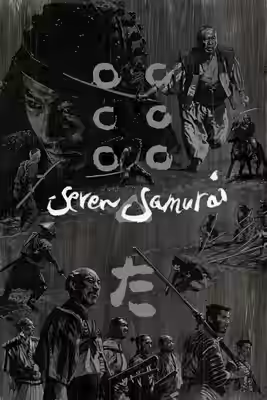
After The Lord of the Rings: The Return of the King, try Princess Mononoke (1997, Fi1m 88): A troubled fantasy conflict whose creatures and combatants all demand our sympathy. Then Excalibur (1981, Fi1m 79): Armour, divided loyalties and myth treated with a similarly unembarrassed seriousness; and Seven Samurai (1954, Fi1m 95): Patient character work makes the large-scale fighting matter, right down to individuals.
What order should I watch the Middle-earth films in?
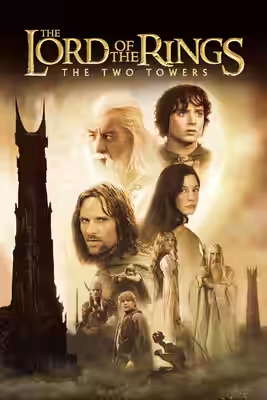
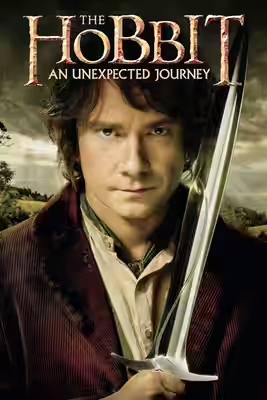
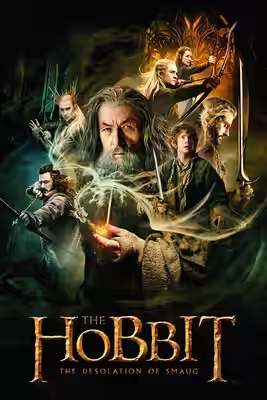
Release order is the safe choice for Middle-earth, and it is the order our collection page lists them in. The Lord of the Rings: The Return of the King is number 3 of the 6 Middle-earth titles on Fi1m; before it comes The Lord of the Rings: The Two Towers and after it The Hobbit: An Unexpected Journey. The full order.

Part of · 3 of 6

Middle-earth

6 films on Fi1m · 2001–2014 · average 74 · best The Lord of the Rings: The Fellowship of the Ring 90

All 6 in order

Cast

Awards

Academy Awards, 2004

Won
Best Costume Design
Won
Best Director
Won
Best Film Editing
Won
Best Makeup and Hairstyling
Won
Best Original Score
Won
Best Original Song
Won
Best Picture
Won
Best Production Design
Won
Best Sound
Won
Best Visual Effects
Won
Best Writing, Adapted Screenplay

Amanda Award for Best Foreign Feature Film, 2004

Won
Amanda Award for Best Foreign Feature Film

BAFTA Film Awards, 2004

Nominated
BAFTA's Children & Young People Award - Feature Film

Hugo Awards, 2004

Won
Best Dramatic Presentation, Long Form

International Cinephile Society Award for Best Film, 2004

Won
International Cinephile Society Award for Best Film

Dallas-Fort Worth Film Critics Association Award for Best Film, 2003

Won
Dallas-Fort Worth Film Critics Association Award for Best Film

If you liked this, try…

  1. Princess Mononoke (1997, Fi1m 88)A troubled fantasy conflict whose creatures and combatants all demand our sympathy.

  2. Excalibur (1981, Fi1m 79)Armour, divided loyalties and myth treated with a similarly unembarrassed seriousness.

  3. Seven Samurai (1954, Fi1m 95)Patient character work makes the large-scale fighting matter, right down to individuals.

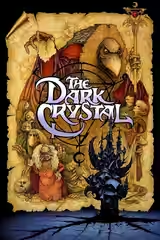
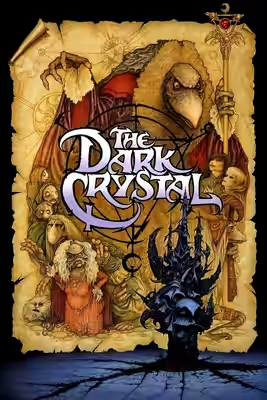
  4. The Dark Crystal (1982, Fi1m 78)Another fantasy that trusts handmade creatures and strange places to hold our attention.

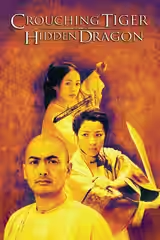
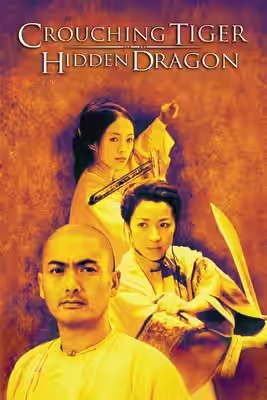
  5. Crouching Tiger, Hidden Dragon (2000, Fi1m 90)For fighting shaped by loyalty, restraint and feelings nobody can comfortably admit.

Free account

Know what to watch tonight

Two lists that know where things are streaming, collections you can share, your own score beside ours, and Discover that remembers what you have seen.

  • Want to see, sorted by what is streaming now
  • Seen, with your score out of ten
  • No adverts, ever