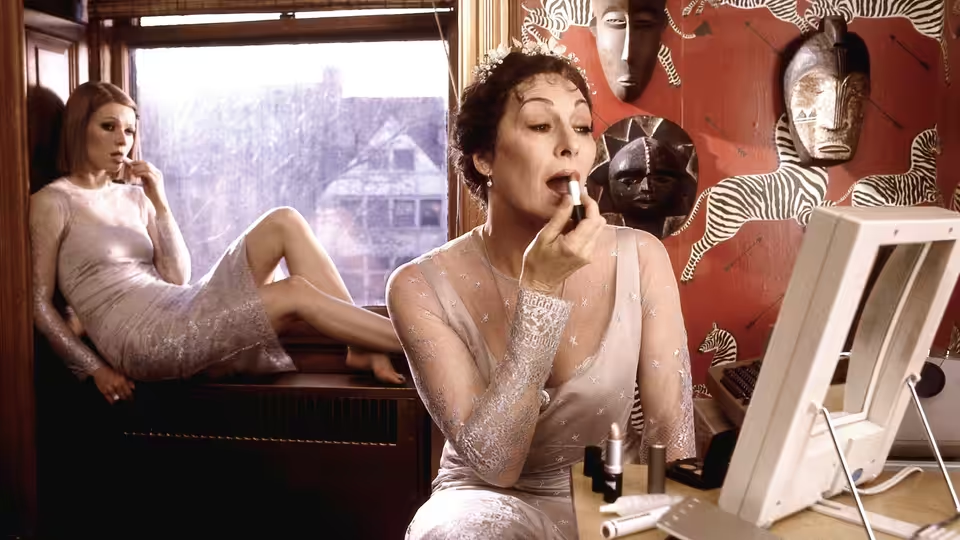
Two women in white dresses apply makeup inside a room with masks
Film review

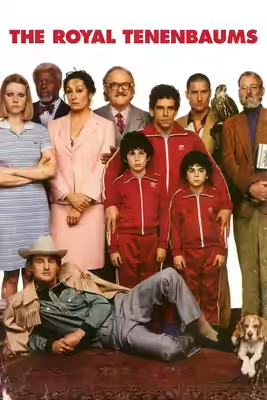
The Royal Tenenbaums

2001 · Directed by Wes Anderson · 1h 50m · MPA R

In a sentenceA family reunion so awkward that faking a terminal illness counts as making an effort

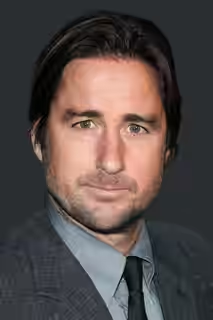
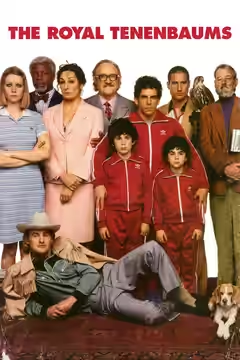
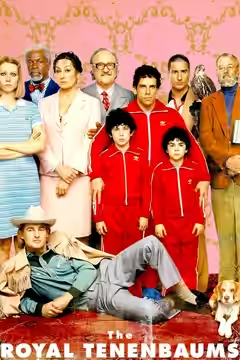
Royal Tenenbaum (Gene Hackman), the estranged patriarch of a gifted New York family, claims to be terminally ill and seeks a way back into their lives. The reunion brings the family’s failures and disappointments into view. Anjelica Huston plays Etheline, with Ben Stiller as Chas, Gwyneth Paltrow as Margot and Luke Wilson as Richie. Together again, the Tenenbaums seek attention, understanding and room to be themselves. Wes Anderson directs this comedy-drama, co-written with Owen Wilson, who also plays Eli Cash.

Plays from YouTube when you press play; nothing loads from them until then.

Fi1m review

Wes Anderson’s family comedy is funny and unexpectedly moving, with Gene Hackman giving its careful eccentricity some welcome bad manners. A few supporting characters deserve more space amid the decoration.

The Royal Tenenbaums is a funny, affecting family comedy whose fussiness occasionally gets in its way. Wes Anderson and co-writer Owen Wilson take a familiar hope, that a family might manage a second chance, and give it to people poorly equipped to make use of one. Their gifts have not made them any easier to live with, and disappointment has given them further difficulties. Royal’s invented terminal illness brings them together; everyone else’s need for attention keeps the reunion difficult.

Gene Hackman gives Royal the necessary shamelessness, making his scheme funny without asking us to mistake it for kindness. We laughed at his dreadful excuse for bringing everyone together because Hackman plays the deceit with such unembarrassed energy. The performance also makes clear how much he wants access to his estranged family, and how little practice he has at asking honestly. There is no need to make Royal respectable before we can care what happens to him.

Anjelica Huston gives Etheline enough authority to stop Royal dominating our sympathies. Ben Stiller’s Chas, Gwyneth Paltrow’s Margot and Luke Wilson’s Richie suggest different ways of becoming difficult to reach. Their restraint matters in a film that invites us to notice every eccentricity, keeping the performances from becoming a competition for attention. The writing gives each a recognisable need for affection, even when the mannerisms threaten to become the whole character.

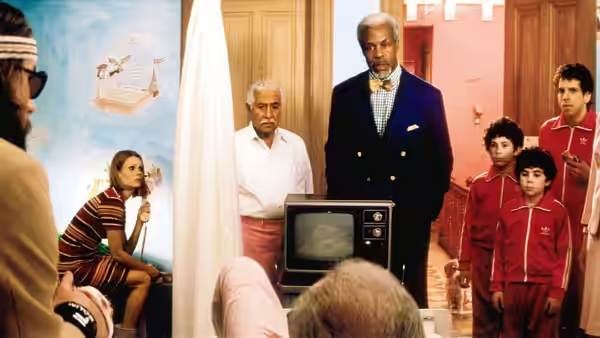
Robert D. Yeoman’s cinematography gives the imaginary New York a carefully controlled look, allowing its eccentricity to seem ordinary to the people who live there. David Wasco’s production design fills the settings with retro detail, and the density makes the family’s oddness feel less arbitrary. These people belong somewhere, however little that place resembles a city we might visit. The visual fuss has a purpose: it suggests lives so settled into their habits that one reunion is unlikely to change them easily.

Dylan Tichenor’s editing is less consistently helpful: some episodes feel cut short just as a character starts to interest us. Anderson and Wilson have written enough competing disappointments to strain the space available, and the minor figures can seem defined by their oddity before they have much chance to speak for themselves. Mark Mothersbaugh’s music helps the changes between comedy and sadness feel related, though it cannot give an abbreviated scene the development it lacks. At these points, we notice the presentation more than the person.

Family comedies often hurry towards forgiveness, as though gathering everyone in one place has already solved the trouble. Anderson pays closer attention to the ways people demand affection, and how those demands can make them harder to love. That makes the warmth persuasive to us, even when the elaborate styling becomes distracting. The harshest reviews find little feeling beneath the quirks; we think Hackman’s selfishness and evident need make that complaint difficult to sustain. The ensemble gives him people whose feelings matter beyond their usefulness to his scheme.

This is a good choice for an evening when outright cheerfulness would feel dishonest. Its people are troublesome enough to keep the comedy lively, and the affection is never so plentiful that we begin to feel instructed. Allow them a little time, particularly if Anderson’s fondness for detail usually tests your patience.

Critical consensus AI synthesised

70
Positive
14
Mixed
2
Negative
4

Most critics like this film, and many like it a great deal. The praise gathers on the writing and on Gene Hackman, whose performance as the scheming patriarch is singled out by nearly everyone, including several reviewers who otherwise have doubts. Wes Anderson’s control of tone, the detailed production design and the strength of the ensemble recur throughout the notices, and several critics find real sadness under the deadpan and judge it more accomplished than Rushmore.

The reservations are all of one kind: the style smothers the feeling. The Guardian finds the characters a quirk away from real life and cannot be moved by them; The Independent calls it over-designed and under-felt; The New York Times, reviewing from the festival, thinks the whimsy and self-regard defeat the endearing parts. The spread is wide, from full marks to outright dismissal, with the dissent leaning towards the British press at the 2002 release. Even the harshest notices exempt Hackman.

Radio Times
★★★★★ · Andrew Collins
100

This ambitiously original ensemble comedy follows a gifted but dysfunctional New York family reunited when the estranged patriarch feigns terminal illness. Immaculately written and brilliantly performed, especially by Hackman, it is an extraordinary fable that restores faith in American cinema.

Read the full review →
Empire
1 January 2001 · Caroline Westbrook
90*

The critic finds the film a dazzlingly original piece of work, more accomplished than Rushmore, with smart screenplay, superb sight gags and a fabulous ensemble cast. Hackman's performance stands out as particularly strong amid the offbeat eccentricities and poignant moments.

Read the full review →
Slant Magazine
4 December 2001 · Ed Gonzalez
90*

Anderson's film is a rare beauty alive with humanity and crippling sadness, earning its joy by making an ancient cliché crackle anew. The director's obsession with failure becomes tightly bound with hope, turning death into a vehicle for joy and second chances.

Read the full review →
The Hollywood Reporter
5 October 2016 · Frank Scheck
90*

The review finds the film a deliciously absurdist comedy that demonstrates impressive artistic progression and should garner acclaim. It singles out the strongly controlled deadpan style and the emotional heft provided alongside the quirky scenario.

Read the full review →
The Times
16 December 2016 · ★★★★☆ · Kate Muir
90*

The spaghetti-stranded plot is expertly untangled by Wes Anderson in this family of geniuses tale. The result is verbally astute and visually hilarious, with intricate set design worth pausing to admire.

Read the full review →
Time Out
28 May 2012 · TCh
90*

The film is wittier, richer and more enjoyable than major Oscar contenders of its year, a blood brother to Rushmore. It excels in its literary influences, irony masking deeper sincerity, and heartfelt comedy of unrequited love and disappointment.

Read the full review →

Straight answers AI written, from our review

Is The Royal Tenenbaums worth watching?
The Royal Tenenbaums is worth watching for anyone who likes family comedy with real sadness underneath, and we scored it 84. Gene Hackman's shameless Royal keeps it funny and unexpectedly moving, though some supporting characters are cut short before they interest us. Allow it a little time if Wes Anderson's fondness for decoration usually tests your patience.
How long is The Royal Tenenbaums, and what is it rated?
The Royal Tenenbaums runs 1h 50m and is rated R by the MPA in the US. It is a comedy and drama film.
Where can I watch The Royal Tenenbaums in the US?
The Royal Tenenbaums is available to rent from Amazon Prime Video and Apple TV from $3.99. Availability is checked daily; the links above go straight to each service.
How violent or frightening is The Royal Tenenbaums, and is it suitable for children?
The Royal Tenenbaums carries a 15 certificate in the UK and an R in the US, so it is not for children. It is a comedy-drama about an estranged family rather than a violent or frightening film; the certificate points to adult themes, language and bleak moments rather than anything to scare a viewer. Older teenagers should manage it comfortably.
How does The Royal Tenenbaums compare to Tokyo Story?
The Royal Tenenbaums and Tokyo Story both concern families whose failures of attention hurt more than open hostility, but Anderson plays it as comedy and Ozu as quiet drama. The Ozu is the graver and more patient of the two, and the more finely judged; the Anderson is livelier and easier to sit down to. Choose Ozu for feeling, Anderson for company.
What should I watch after The Royal Tenenbaums?
After The Royal Tenenbaums, try Tokyo Story (1953, Fi1m 92): For another family whose failures of attention hurt more than open hostility. Then Fanny and Alexander (1982, Fi1m 92): A densely furnished family portrait with warmth, cruelty and room for childhood; and Life Is Sweet (1990, Fi1m 84): For awkward family affection, stubborn disappointment and jokes that do not cancel either.

Cast

Awards

Academy Awards, 2002

Nominated
Best Writing, Original Screenplay

If you liked this, try…

  1. Tokyo Story (1953, Fi1m 92)For another family whose failures of attention hurt more than open hostility.

  2. Fanny and Alexander (1982, Fi1m 92)A densely furnished family portrait with warmth, cruelty and room for childhood.

  3. Life Is Sweet (1990, Fi1m 84)For awkward family affection, stubborn disappointment and jokes that do not cancel either.

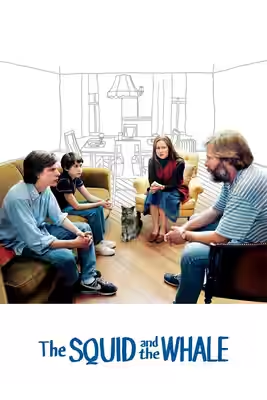
  4. The Squid and the Whale (2005, Fi1m 83)For sharper family comedy where cleverness offers remarkably little protection against selfishness.

  5. The Farewell (2019, Fi1m 84)Another family gathers around an illness, with deception complicating its expressions of love.

Free account

Know what to watch tonight

Two lists that know where things are streaming, collections you can share, your own score beside ours, and Discover that remembers what you have seen.

  • Want to see, sorted by what is streaming now
  • Seen, with your score out of ten
  • No adverts, ever