Alexander Witt is one of the trade's trusted second-unit men, the director who shoots the chase while the credited director is elsewhere. Given a whole film once, with Resident Evil: Apocalypse, he made 94 minutes of chase and not much else.
Fi1m perspective
Alice comes through a stained-glass window on a motorbike, and the film stops for a second to make sure we have seen it. That pause is the most revealing moment in Resident Evil: Apocalypse (2004), because it is the instinct of a man whose job for a decade had been the set piece and nothing but. Alexander Witt had spent his career shooting the bits of other people's films that the other people were too busy to shoot. Handed a whole one, he shot it as if it were all second unit.
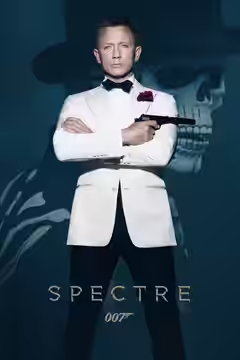
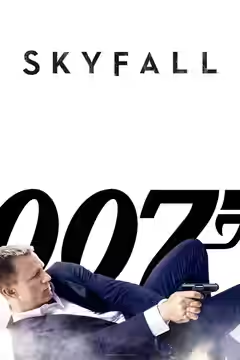
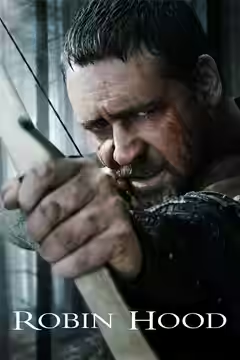
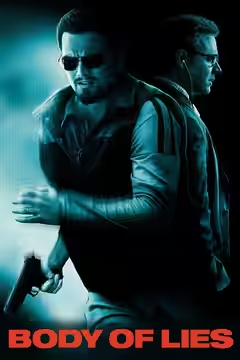
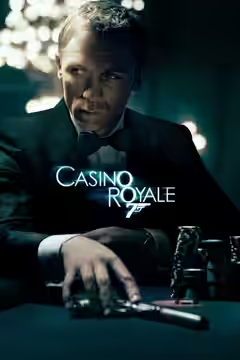
That is the trade, not an insult. Witt started behind the camera, as an assistant, a focus puller, an operator and then a cinematographer on commercials, before Jan de Bont put him in charge of second unit on Speed (1994). "He is the one that really gave me the break on Speed 1 to start directing second unit," Witt said later, and the work that followed was steady and large: Gladiator (2000) for Ridley Scott, who kept him on for years and used him as cinematographer on Body of Lies (2008); Casino Royale (2006) and then the Sam Mendes Bond films. The second-unit director's craft is to shoot a chase or a stunt so that it looks as though the credited director shot it. Witt is good at it, which is why the studios keep calling, and why his name is on so many big films and so few people know it.
Resident Evil: Apocalypse is the one time he had the chair. Paul W. S. Anderson wrote and produced and handed his sequel to Witt, directing a feature for the first time, and the result shows exactly where a second-unit man's attention goes. The city looks right: Paul Denham Austerberry's police station, graveyard and school are the game with the detail turned up, and Jeff Danna's guitars and drum machines fit the church sequence as though written for it. The set pieces are put together with care. What is missing is everything between them. The first film had a laboratory, and its corridors gave it a shape; Witt has a whole city and fills it with rain, gunfire and dark, and at 94 minutes it still feels padded. Milla Jovovich is game throughout and the film never finds anything for her to do but arrive.
We laughed out loud at the church, and we laughed again when Witt held the shot to tell us he knew we would. That is a director who understands timing within a scene. What he does not show, on that evidence, is any interest in how one scene should lead to the next, and a feature is mostly the leading.
He has gone on directing since, with the Sayen films (2023–2024), and gone back to second unit on the Bonds, where his work is properly invisible. Given the choice, we would take the invisible Witt. The action in a film he has not directed is often the action he directed, and it is better for having somebody else worrying about the story.
Biography
Alexander Witt is a Chilean cinematographer, camera operator and second unit director. Born in Santiago in 1952, he began working in film in Europe in the mid-1970s as a camera assistant before moving into focus pulling, operating and cinematography on commercials.
He is known for extensive second unit work on major productions including Gladiator (2000), The Bourne Identity (2002), Pirates of the Caribbean: The Curse of the Black Pearl (2003), several James Bond films and Avengers: Infinity War (2018). Witt made his feature directorial debut with Resident Evil: Apocalypse (2004) and has since directed additional films including the Sayen trilogy.