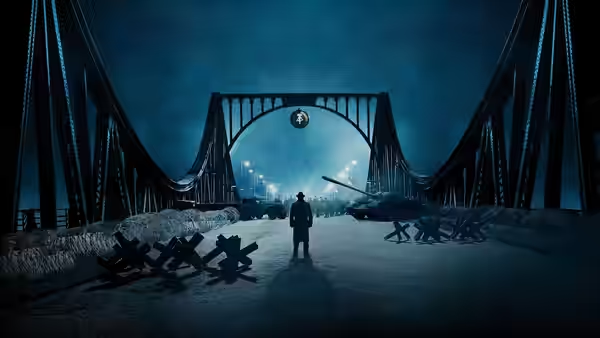
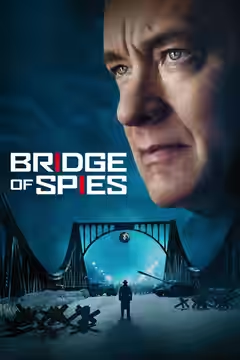
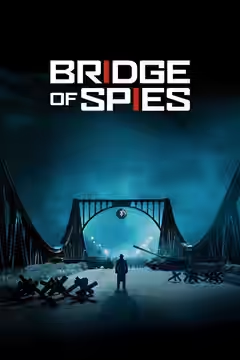
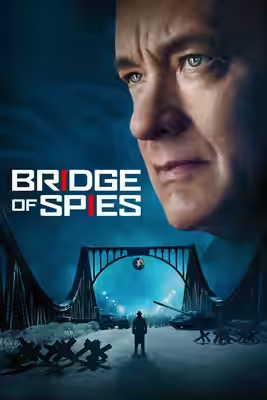
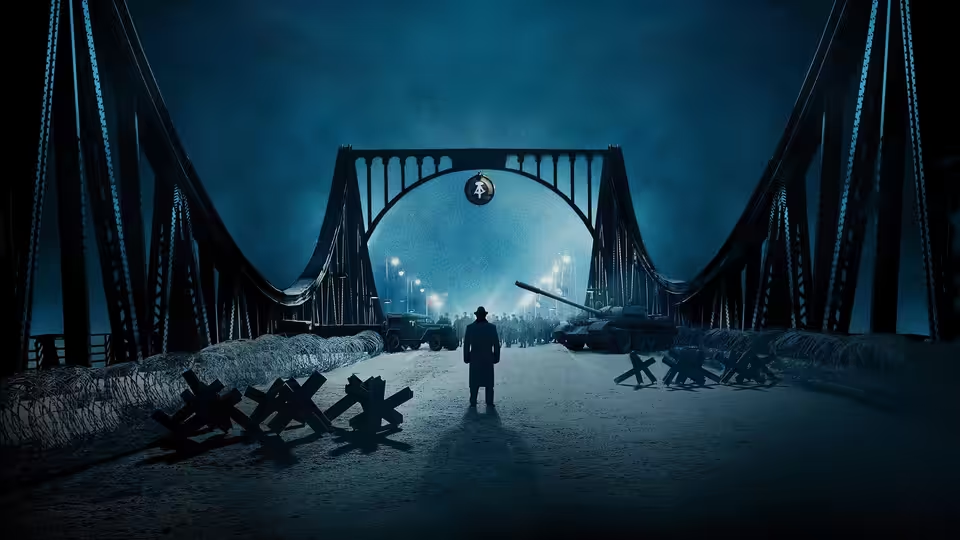
A man stands alone at night on a large empty bridge
Film review

Bridge of Spies

2015 · Directed by Steven Spielberg · 2h 21m · MPA PG-13

In a sentenceMark Rylance asks “would it help?” three times and walks off with a Spielberg film under his arm

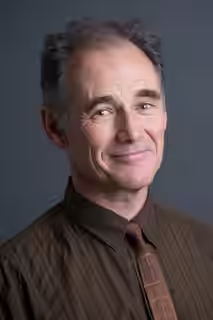
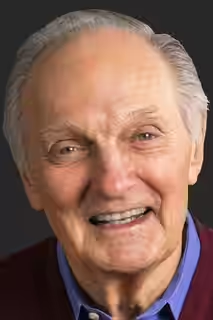
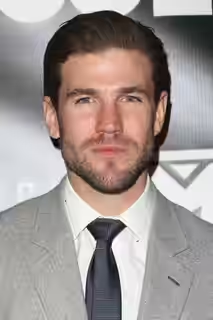
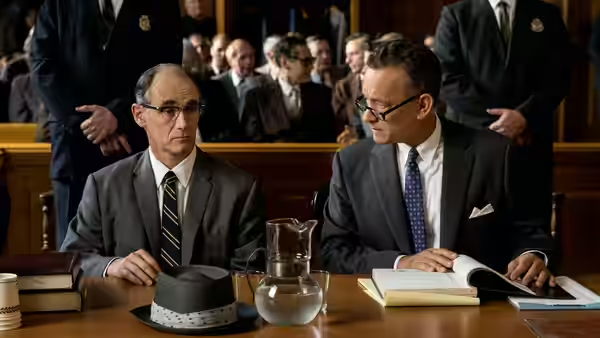
Brooklyn, 1957. Rudolf Abel (Mark Rylance), a painter living alone in a rented room, is arrested by the FBI and charged with spying for the Soviet Union. James B. Donovan (Tom Hanks), an insurance lawyer who has not handled a criminal case in years, is asked by his senior partner Thomas Watters Jr. (Alan Alda) to defend him, so that the trial looks fair. His wife Mary (Amy Ryan) would rather he did not. Donovan takes the job seriously, insists his client is entitled to the same rules as any citizen, and finds the judge, the press and his own firm expecting him to lose quietly. Meanwhile Francis Gary Powers (Austin Stowell), a young pilot, is training to fly a spy plane over Soviet territory.

Plays from YouTube when you press play; nothing loads from them until then.

Fi1m review

Spielberg’s Cold War thriller is handsome, patient and better company than most films this serious. Hanks is dependable and Rylance is quietly remarkable; the sugar in the last twenty minutes is the price, and it is worth paying.

Brooklyn, 1957. A quiet man in a hat paints his face from a mirror, takes the subway and collects a hollow nickel from under a bench, and by the end of the first reel the FBI has him. Rudolf Abel (Mark Rylance) is a Soviet spy. James B. Donovan (Tom Hanks) is an insurance lawyer who has not tried a criminal case in years, handed the brief because it will look better if the accused loses fairly. Steven Spielberg has made a film about a man who declines to lose on purpose, and for most of its 141 minutes it is good company.

The script, by Matt Charman with Ethan Coen and Joel Coen, is at its best when two men are in a room and one of them wants something. Rylance plays the spy as a man who decided long ago how much of himself to show and will not revise the figure now: a mild voice, a slight stoop, a habit of asking “would it help?” whenever Donovan suggests he might be worried. He barely raises his eyes, and every scene he is in slows to his pace. It is a small performance, and it is the reason to see the film.

Hanks makes decency look like stubbornness rather than a halo. His Donovan is a haggler. The opening scene has him arguing an insurance claim down from five incidents to one, and the same instinct keeps him pressing Abel’s appeal when everyone around him would rather he stopped. Alan Alda’s Thomas Watters Jr., the senior partner who gave him the case, watches like a man realising he has hired the wrong sort of good lawyer. The home scenes are thinner; Amy Ryan’s Mary Donovan is given worry and a kitchen and little else, and Billy Magnussen’s junior, Doug Forrester, is mostly there to be told things.

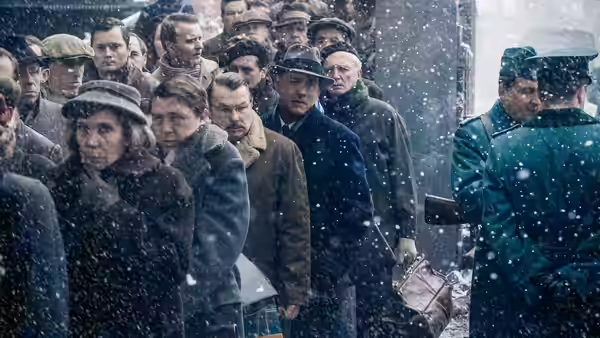
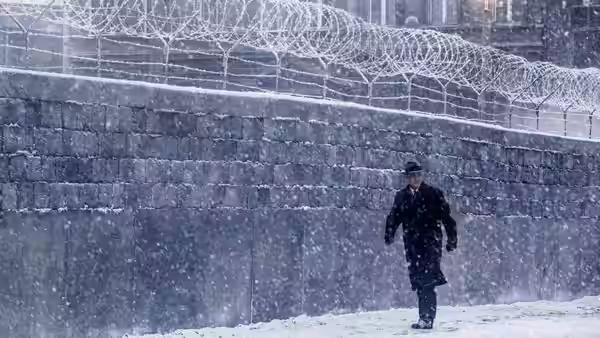
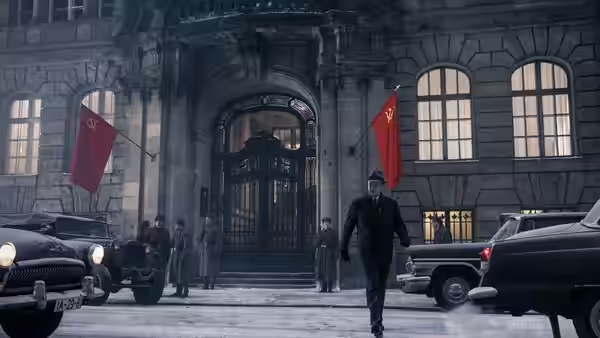
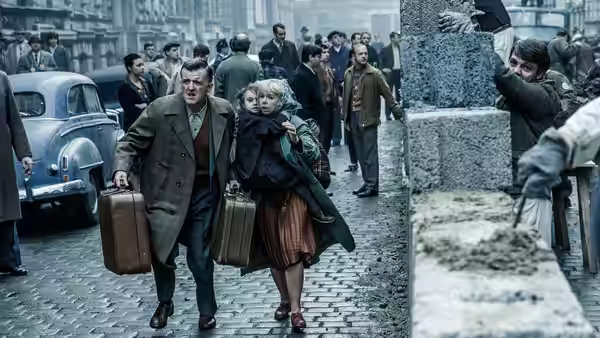
It is handsome. Janusz Kamiński shoots Brooklyn through so much haze that the windows glow and the rain looks lit from inside, and Berlin in flat greys and sodium orange, with snow that never looks fresh. Adam Stockhausen’s East Berlin is rubble, wire and half-finished concrete, the wall running through the back of shots about something else. Kasia Walicka Maimone dresses Donovan like a man who buys one good overcoat a decade. Michael Kahn cuts the courtroom stretches briskly, so the legal argument never turns into a lecture.

Two moments got at us properly. Austin Stowell’s Francis Gary Powers is shot out of the sky in a brief sequence of spinning, falling and fumbling for a poison pin, and we gripped the chair. Later, Donovan sits on a Berlin train and watches people run at the wall, and what happens to them, and Hanks does nothing with his face, which is right. Thomas Newman’s score, which holds back for long stretches, arrives with strings soon after, and we noticed we were being asked to feel something we already felt.

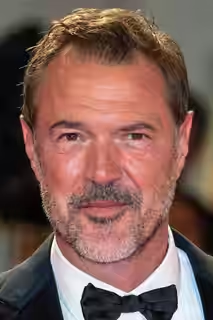
That is the film’s habit and its limit. The Berlin half, in which Donovan negotiates a swap for Powers and finds Sebastian Koch’s Wolfgang Vogel, an East German lawyer, wanting a different deal, is knotty, cold-weather storytelling, and we will not describe where it goes. But Donovan is never wrong, never frightened for longer than a scene, never tempted. Everyone who doubts him is shown to be smaller, usually within the same conversation. And when the story is done, the film keeps going, scene after scene, until a point we grasped an hour earlier has been made four times.

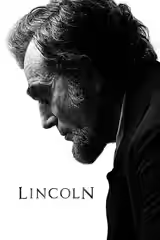
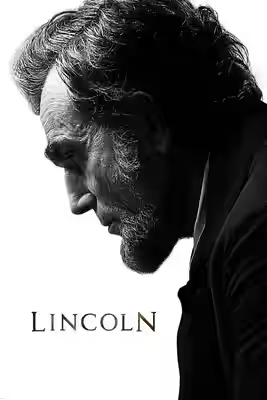
Lincoln (2012) had the same interest in how a decent outcome gets haggled out of imperfect people, and let its hero be a manipulator. Munich (2005) let its hero be sick with doubt. Donovan is allowed neither, and the film is smaller for it. It is still worth your evening: two hours of grown-ups talking, beautifully lit, with one actor at the edge of the frame we kept leaning forward to catch. Watch it at home with the lights off, because Kamiński’s haze wants a dark room, and expect to be asking each other “would it help?” for a week.
Critical consensus AI synthesised

73
Positive
15
Mixed
5
Negative
2

Most critics like Bridge of Spies, and the praise settles in the same two places. First, the pairing of Tom Hanks and Mark Rylance: Hanks as the principled lawyer is called steadfast and approachable, and Rylance’s dry, unemotive Soviet spy is singled out again and again, several reviews saying he takes the film from under his co-star. Second, the craft: the period detail, the widescreen photography and the Coen brothers’ polish on the script are credited with turning a spy-swap plot into old-fashioned, well-made entertainment.

The reservations cluster around sentiment. The Times, the Financial Times and Film Comment all find the schmaltz excessive, and several reviews say the second half loses shape or ends more than once. The sharper dissent, from /Film and Slant, is that the film smooths away moral ambiguity and prefers to please rather than probe. The spread is fairly wide: fifteen positive notices against two that call it thin or misshapen.

The Guardian
29 November 2015 · ★★★★★ · Peter Bradshaw
100

The film is an elegant, intelligent slice of popular entertainment that peppers its gripping intrigue with winning wit and humour, validating the US constitution through a Capra-esque Everyman twist. It singles out the odd-couple chemistry between Tom Hanks and Mark Rylance for particular praise.

Read the full review →
The AV Club
12 October 2015 · A- · Ignatiy Vishnevetsky
90

The review calls it Spielberg’s superb film that pits Tom Hanks against the Cold War, one of the most handsome and eloquent of his latter-day phase and his best in a decade. It singles out the textured visual style, anamorphic widescreen, and the theme of American idealism measured against realpolitik.

Read the full review →
The New York Times
14 October 2015 · Manohla Dargis
85*

The film is a gravely moody, perfectly directed thriller that revisits Cold War anxieties with a lighter touch than some of Spielberg's other recent historical dramas. Dargis singles out the meticulous period detail and Tom Hanks' approachable star turn for keeping the story engaging despite its moral complexities.

Read the full review →
Variety
5 October 2015 · Peter Debruge
85*

Spielberg turns a shady spy-swap plot into riveting, feel-good Capra-esque entertainment, with Mark Rylance stealing the show as the Soviet spy Abel. Debruge highlights the crackling Coen brothers script polish and Hanks' chewy late-career role while noting the film's classical, old-fashioned approach.

Read the full review →
Empire
20 November 2015 · ★★★★ · Ian Nathan
80

Spielberg delivers a polished, old-fashioned Cold War drama-thriller that mixes courtroom elements with espionage, driven by Tom Hanks' steadfast performance as James Donovan. The first half is shapely and engaging, though the second half feels less fluent due to historical constraints.

Read the full review →
Little White Lies
24 November 2015 · 4/4/4 · David Ehrlich
80

Praises the film as a sleek, robust Cold War spy thriller that balances espionage with a chamber-piece focus on the value of a single human life. Notes some mawkishness in the final scene but highlights its masterly touch and enjoyable determination to cut through cloak-and-dagger tropes.

Read the full review →

Straight answers AI written, from our review

Is Bridge of Spies worth watching?
Bridge of Spies is worth watching for anyone who enjoys grown-ups talking in handsomely lit rooms, and we scored it 75. Mark Rylance's quiet, stooped Soviet spy is the reason to see it, and Tom Hanks makes decency look like stubbornness. The last twenty minutes press a point the film has already made, and Donovan is never allowed a doubt.
How long is Bridge of Spies, and what is it rated?
Bridge of Spies runs 2h 21m and is rated PG-13 by the MPA in the US. It is a thriller and drama film.
Where can I watch Bridge of Spies in the US?
Bridge of Spies is not on any streaming or rental service in the US at the moment. It is available in 29 other countries; change your country at the top of the page to see where. Availability is checked daily.
How violent or frightening is Bridge of Spies, and is it suitable for children?
Bridge of Spies is a 12A Cold War thriller with little on-screen violence and nothing gory. A spy plane is shot down in a brief, tense sequence, and there is a short, sobering scene at the Berlin Wall seen from a train, but most of the film is men negotiating in rooms. It suits older children and teenagers with patience for talk; younger ones will be bored rather than frightened.
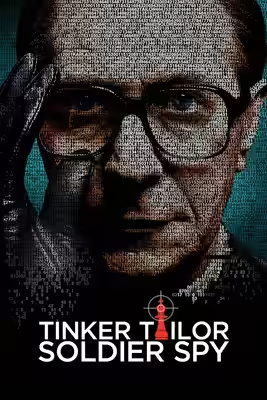
How does Bridge of Spies compare to Tinker Tailor Soldier Spy?
Bridge of Spies is the warmer and more approachable of the two; Tinker Tailor Soldier Spy is the same era with the decency drained out. Spielberg's film has a hero who is never wrong and a score that tells you how to feel, while Alfredson's is colder, sadder and harder work, with Gary Oldman barely speaking. Choose the first for comfort and Rylance, the second if you want to concentrate.
What should I watch after Bridge of Spies?
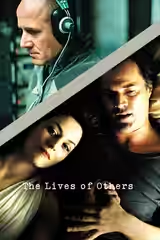
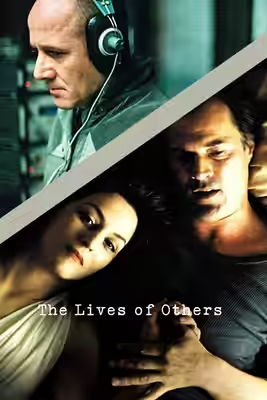
After Bridge of Spies, try Tinker Tailor Soldier Spy (2011, Fi1m 84): The same era with all the decency drained out; Gary Oldman barely speaks. Then The Lives of Others (2006, Fi1m 84): East Berlin from the inside, with Sebastian Koch on the other end of the wire; and Lincoln (2012, Fi1m 82): Spielberg’s other film about grinding a good result out of bad-tempered men in rooms.

Cast

Awards

Academy Awards, 2016

Nominated
Best Original Score
Nominated
Best Picture
Nominated
Best Production Design
Nominated
Best Sound
Nominated
Best Writing, Original Screenplay
Won
Best Supporting Actor

If you liked this, try…

  1. Tinker Tailor Soldier Spy (2011, Fi1m 84)The same era with all the decency drained out; Gary Oldman barely speaks.

  2. The Lives of Others (2006, Fi1m 84)East Berlin from the inside, with Sebastian Koch on the other end of the wire.

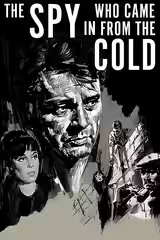
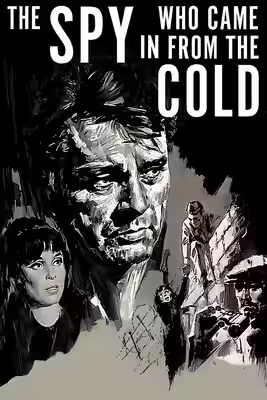
  3. The Spy Who Came in from the Cold (1965) · not reviewed yetRichard Burton crosses the wall for a swap of his own, and nobody is noble.

  4. Lincoln (2012, Fi1m 82)Spielberg’s other film about grinding a good result out of bad-tempered men in rooms.

  5. Barbara (2012) · not reviewed yetA quiet East German doctor, watched constantly; Petzold trusts silence more than Spielberg does.

Free account

Know what to watch tonight

Two lists that know where things are streaming, collections you can share, your own score beside ours, and Discover that remembers what you have seen.

  • Want to see, sorted by what is streaming now
  • Seen, with your score out of ten
  • No adverts, ever