Michael Mann makes professional competence exciting, then insists we notice the damage it does. We rate him highly when the people remain as convincing as the work; his solemn dialogue can make that harder than it needs to be.
Fi1m perspective
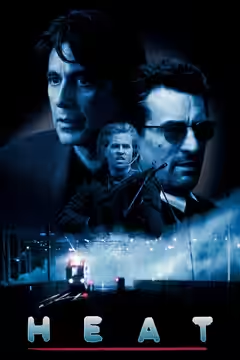
In Heat (1995), Mann lets us follow the work of a robbery closely enough to appreciate the men's competence. We flinched at the gunfire because it felt close, and our admiration for that competence became uncomfortable. Editors Dov Hoenig, Tom Rolf, Pasquale Buba and William Goldenberg keep us aware of where people are and what they are doing. Mann also spends enough time with these men away from work for their devotion to it to become troubling.
His feature debut, Thief (1981), established the professional criminals and attention to procedure that recur through his work. By Heat, the pursuit could accommodate loneliness and damaged relationships without losing urgency. The Insider (1999) took his interest in men at the top of their trade into rooms full of talk. These are subjects Mann makes absorbing when he trusts the details of the work to explain the people.
Cinematographer Dante Spinotti and editor Paul Rubell are recurring collaborators. From the 2000s, Mann made extensive use of digital cinematography, with Collateral (2004) a key example of his approach to night scenes. Some critics have found character and narrative clarity neglected in the later digital films, particularly Miami Vice (2006) and Blackhat (2015). Our reservations about his writing begin before that change.
In Heat, Mann sometimes has the men explain their devotion to work after the performances have made it clear. Those declarations sound prepared, and they briefly make the characters harder to believe. We still recommend it beyond the usual audience for crime films: Mann gives the people enough attention to earn almost three hours.
In Ferrari (2023), concentrating on three months in 1957 avoids the attempt to fit a whole life into one film. The house scenes are nevertheless stiff and talky, and Mann's patience with a man who refuses to feel becomes testing. Penélope Cruz gives us a reason to stay with those scenes, while the Mille Miglia supplies the excitement and makes the danger of racing frighteningly clear. It is worth seeing with some patience for the domestic talk, but start with Heat and give it an uninterrupted evening.
Biography
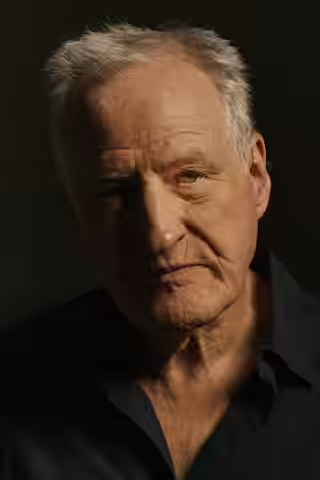
Michael Mann is an American film director, screenwriter and producer. Born in Chicago in 1943, he studied English literature at the University of Wisconsin–Madison and film at the London Film School.
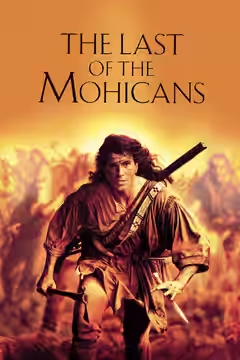
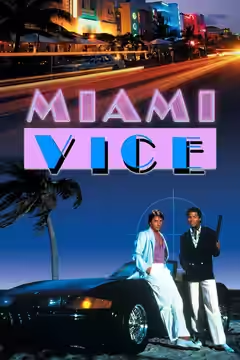
He is known for his work on crime dramas and other films including Manhunter (1986), The Last of the Mohicans (1992), Heat (1995), which he also wrote and produced, The Insider (1999), Collateral (2004) and Ferrari (2023). He was executive producer on the television series Miami Vice (1984–90) and adapted it into a 2006 feature film.
Mann has won two Primetime Emmy Awards and received nominations for four Academy Awards.