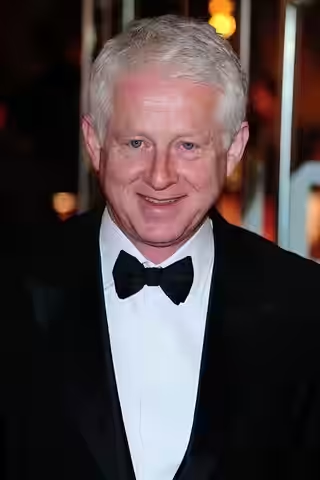
Richard Curtis writes social embarrassment with precision, especially when Hugh Grant is doing the apologising. We like his warmth, but repeated mannerisms and crowded romances leave his actors working harder than they should to make us care.
Fi1m perspective
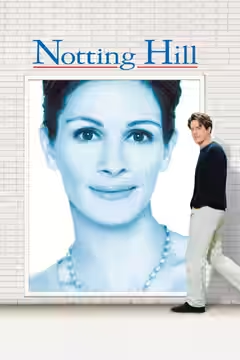
Hugh Grant's William Thacker keeps qualifying an apology until he has made the conversation harder for himself. In Notting Hill (1999), Curtis gives him words that seem to obstruct the simple business of speaking to another person. We laughed because Grant makes William aware of how ridiculous he sounds, yet unable to stop. Roger Michell gives the courtship room to be tender without making every feeling another embarrassment. Julia Roberts has less room in the script, and her warmth has to compensate for that imbalance.
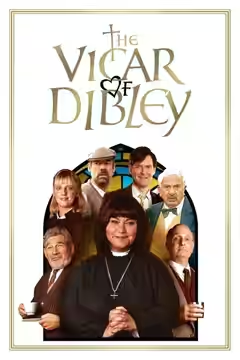
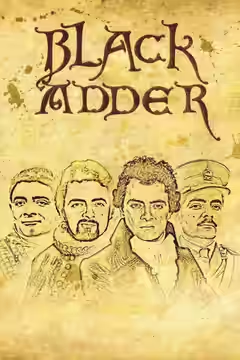
His television work included co-creating Blackadder (1983) and Mr Bean (1990), before The Vicar of Dibley (1994). With Paul Mayhew-Archer, Curtis makes a woman vicar's arrival a matter of neighbours learning to live alongside her. Dawn French gives Geraldine the warmth that makes this gentle approach persuasive. The programme remains good company even when the village eccentrics become predictable. Curtis sometimes keeps a familiar joke going because he seems too fond of the person telling it.
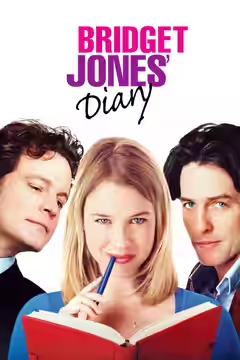
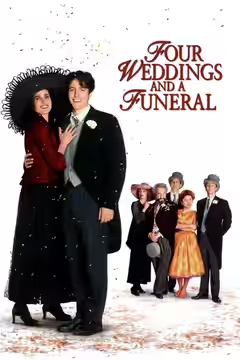
Four Weddings and a Funeral (1994) brought his breakthrough as a film screenwriter; the romances that followed repeatedly benefited from actors who could keep awkwardness recognisably adult. In Sharon Maguire's Bridget Jones's Diary (2001), Renée Zellweger has to do that work rather too often. The screenplay, shared with Helen Fielding and Andrew Davies, sometimes treats Bridget's intelligence as expendable when there is another humiliation available. Zellweger keeps her worth caring about, and Grant supplies the mischief. We recommend it, with the reservation that its heroine deserves more trust from her writers.
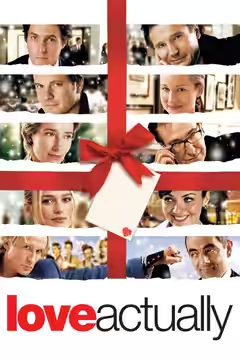
Curtis's first feature as director, Love Actually (2003), is where our patience thins. Bill Nighy's sour delivery improves the jokes, while Emma Thompson makes Karen's hurt register with little fuss. But the screenplay keeps introducing and revisiting people when it ought to be spending longer with fewer of them. Editor Nick Moore makes the switches clear, yet promising exchanges finish before the characters have had time to develop. Its insistence that we feel festive becomes tiring.
He went on to write and direct About Time (2013), using time travel to explore family and regret. For a first encounter, we would choose Notting Hill, where Moore's editing gives Grant's comic hesitations useful space. Just allow for a second half that spends too long finding reasons to keep its lovers apart.
Biography
Richard Curtis is a British screenwriter, producer and director. Born Richard Whalley Anthony Curtis on 8 November 1956 in Wellington, New Zealand, he studied at the University of Oxford, where he met comedian Rowan Atkinson.
He co-wrote the sitcom Blackadder (1983–1989) with Ben Elton. His screenplays for feature films include Four Weddings and a Funeral (1994) and Notting Hill (1999). Curtis co-founded the British charity Comic Relief with Lenny Henry in 1985.