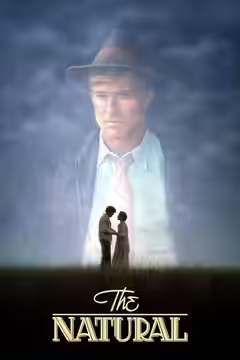
Robert Redford is at his best when we can watch him think. His alertness sustains a thriller, and his restlessness makes a partnership lively; his romantic reserve can leave the other actor doing too much of the work.
Fi1m perspective
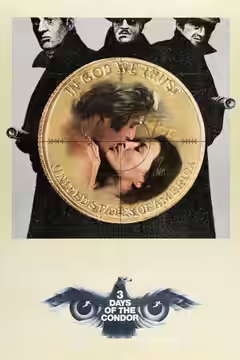
In Three Days of the Condor (1975), Robert Redford lets us see Joseph Turner consider a possibility before acting on it. We were anxious during those pauses, because he gave us time to fear that Turner had misunderstood the danger. Sydney Pollack gives that watchfulness room to hold our attention. Redford makes intelligence look useful without pretending it will keep him safe.
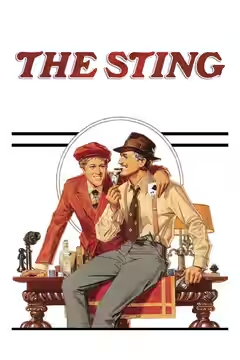
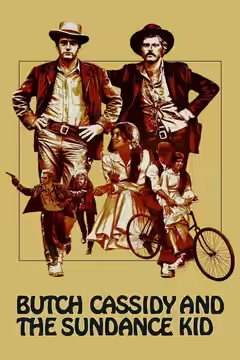
His breakthrough came opposite Paul Newman in Butch Cassidy and the Sundance Kid (1969). By The Sting (1973), their different speeds were a pleasure in themselves. Newman's Henry Gondorff can afford to take his time; Redford's Johnny Hooker is more restless. George Roy Hill lets that difference keep the partnership funny, even while the plot requires business to be explained. We forgive the occasional dawdling because the actors remain such good company.
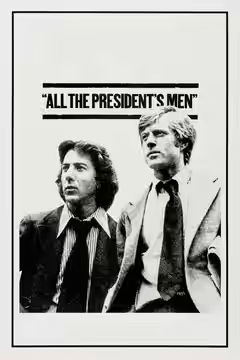
In Alan J. Pakula's All the President's Men (1976), Redford's Bob Woodward works alongside Dustin Hoffman's Carl Bernstein. Their concentration is convincing, and so is their impatience with each other. Redford makes the effort of pursuing an unsatisfactory answer worth watching. Neither actor asks us to applaud a journalist merely for being a journalist, a restraint we appreciate.
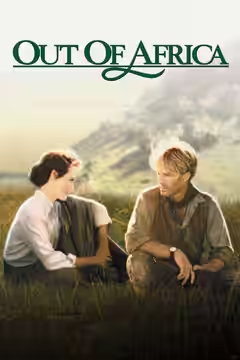
That self-possession is less rewarding in Pollack's Out of Africa (1985). As Denys Finch Hatton, Redford seems so certain of his independence that the exchanges with Meryl Streep leave little chance of surprise. Streep supplies the urgency, while he gives us too little reason to believe the attraction will deepen. Kurt Luedtke's screenplay gives them a worthwhile disagreement about how much lovers can ask of each other. The long courtship keeps returning to it without making it matter more.
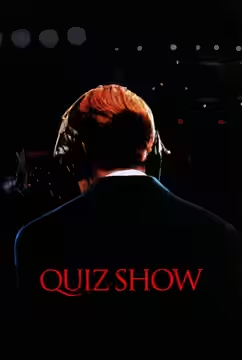
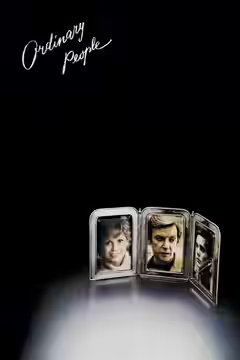
As a director, beginning with Ordinary People (1980), he proved more willing to examine feelings his own performances could keep at a distance. He gives Mary Tyler Moore, Donald Sutherland and Timothy Hutton time to make the family worth caring about, though the screenplay explains too much. In Quiz Show (1994), his sympathy for both John Turturro's Herb Stempel and Ralph Fiennes's Charles Van Doren makes television fraud uncomfortable to judge. Stu Linder's editing keeps Paul Attanasio's dialogue moving without rushing the performances, although some conversations outlast their point. Start with All the President's Men; try Quiz Show for his shrewdness about whom we choose to believe.
Biography
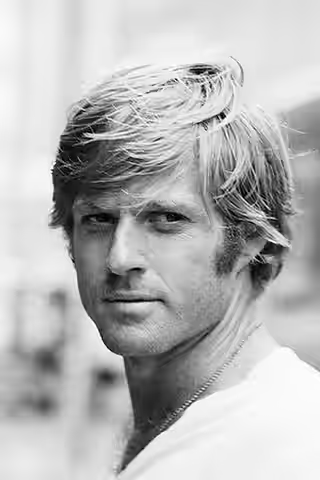
Robert Redford was an American actor, director and producer. Born Charles Robert Redford Jr. on 18 August 1936 in Santa Monica, California, he died on 16 September 2025. He began his career on stage in the late 1950s and made his film debut in War Hunt (1962).
Redford starred in films including Butch Cassidy and the Sundance Kid (1969) and The Sting (1973). He directed Ordinary People (1980), for which he won the Academy Award for Best Director, and Quiz Show (1994), on which he also served as producer. In 1980 he founded the Sundance Institute, which established the Sundance Film Festival.