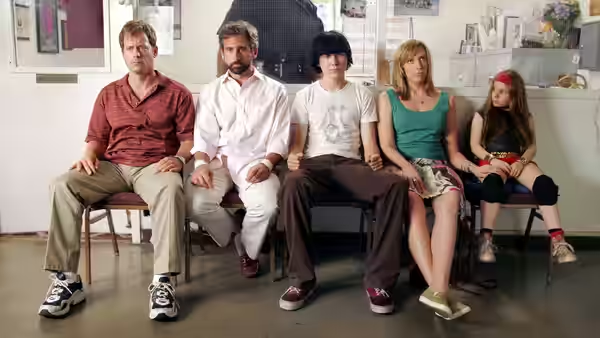
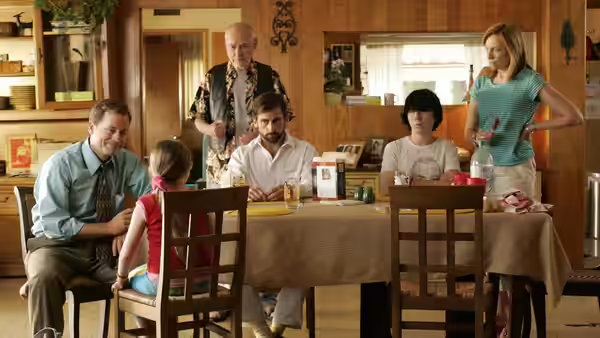
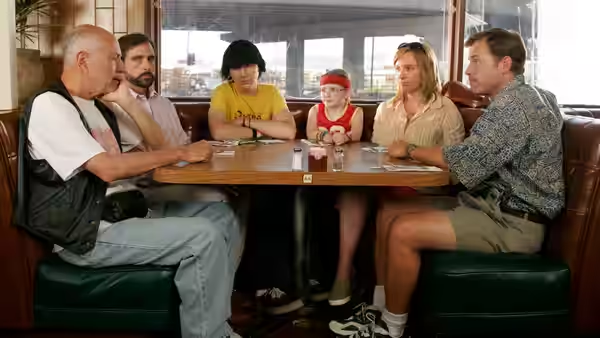
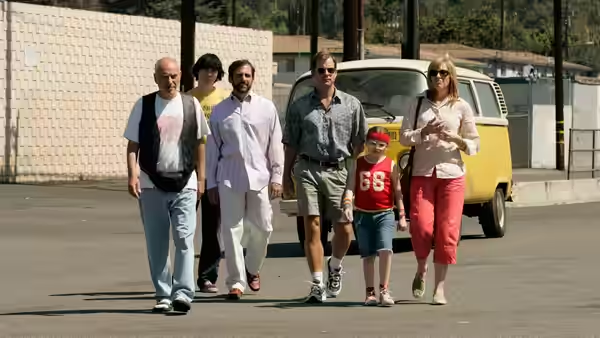
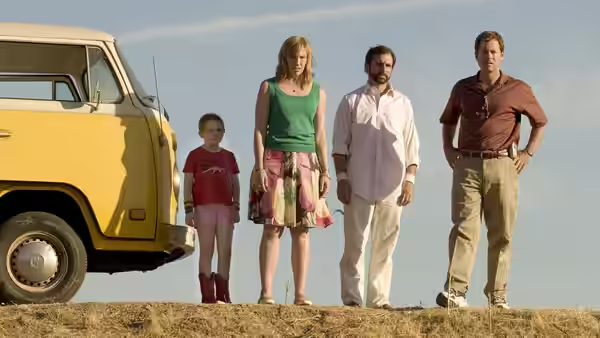
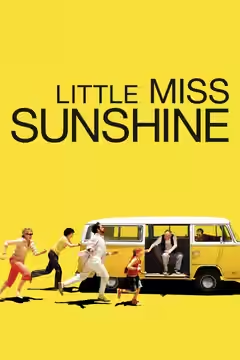
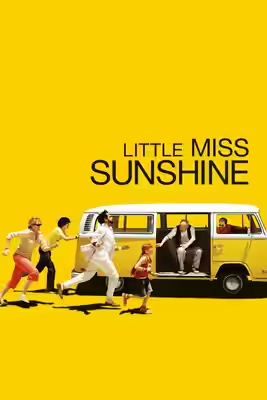
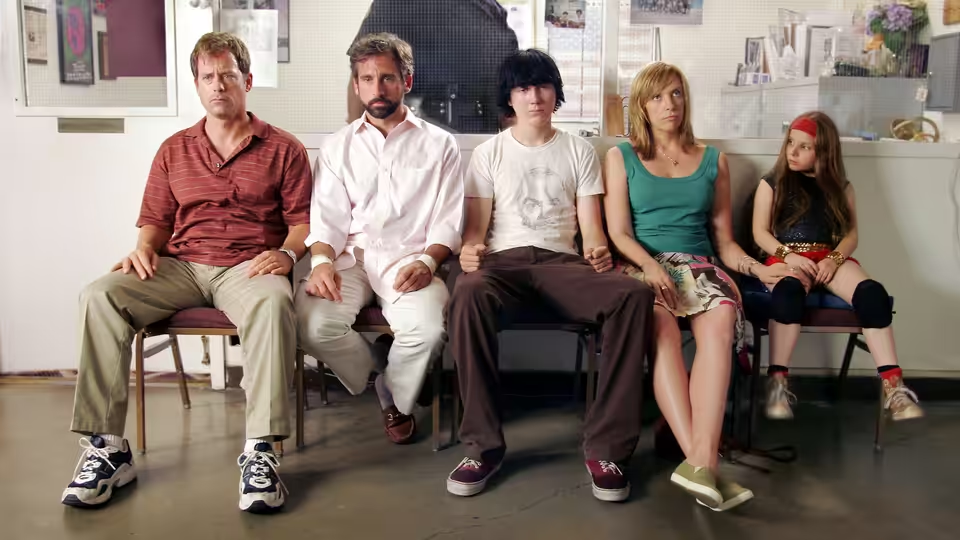
Richard Hoover, Frank Ginsberg, Dwayne Hoover, Sheryl Hoover and Olive Hoover sitting together
Film review

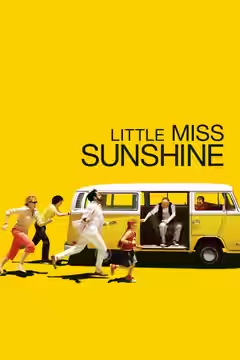
Little Miss Sunshine

2006 · Directed by Jonathan Dayton, Valerie Faris · 1h 42m · MPA R

In a sentenceA family road trip that makes us appreciate our relatives and the option of taking separate cars

The Hoover family take a road trip towards a child beauty pageant, bringing their disappointments and competing ambitions along with them. Abigail Breslin plays Olive Hoover, with Greg Kinnear as Richard, Toni Collette as Sheryl, Paul Dano as Dwayne and Alan Arkin as Edwin. Steve Carell plays Frank Ginsberg, who joins the family on the journey. As they travel, their arguments turn on success, failure and what they expect of one another. Getting to the competition means spending time together, with little opportunity to escape the grievances that make that difficult.

Plays from YouTube when you press play; nothing loads from them until then.

Fi1m review

Jonathan Dayton and Valerie Faris make a funny, tender family comedy whose cast keep its contrivances tolerable. It is less convincing when it tells us what to think about winning.

Little Miss Sunshine is a good family comedy with an unusually reliable cast and a script that sometimes makes life too convenient for them. Jonathan Dayton and Valerie Faris use a road trip to put people with incompatible ideas of success in close quarters. The journey gives everyone time to irritate everyone else, and the humour comes from recognising how little provocation relatives need. We recommend it for those arguments and the performances; its lessons about being yourself are familiar enough to need less explaining.

Michael Arndt’s screenplay starts with a useful problem: people who belong to the same family do not necessarily agree on what a worthwhile life looks like. Competition gives them something to argue about beyond whose feelings have been hurt. At its strongest, the writing lets an ordinary exchange become uncomfortable before anyone has quite realised what they have said. We laughed at the chaotic dinner scene because the cast make mutual irritation feel so familiar. Everyone seems to have arrived with an entirely different idea of how the conversation ought to go.

Greg Kinnear and Toni Collette are especially good at keeping Richard and Sheryl Hoover recognisable beneath the screenplay’s allotted eccentricities. Kinnear allows Richard to be difficult company without making his every appearance a cue to groan, while Collette gives Sheryl the practical weight the comedy needs. Paul Dano’s Dwayne has a place in the family even when he seems to want no part of it. Dayton and Faris are patient with these people, which helps when Arndt has been rather efficient about assigning each a difficulty.

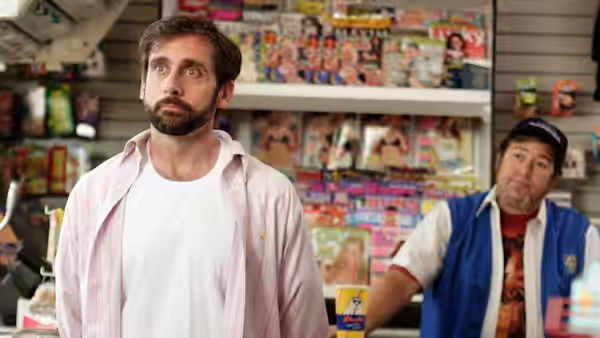
Steve Carell, as Frank Ginsberg, gets laughs without insisting that we find him funny, and Alan Arkin gives Edwin Hoover a welcome impatience. Their timing stops several exchanges from becoming demonstrations of how unusual this family is. Abigail Breslin’s Olive is the essential presence, though. Breslin makes Olive’s hopes matter without asking for indulgence, and that gives the adults’ complaints a useful scale. We care about what their behaviour does to her, even when we have heard enough of their grievances.

Tim Suhrstedt’s camerawork and Pamela Martin’s editing are occasionally too restless for this cast. The actors often do enough with a pause or a look that we would prefer the film to leave them alone. Kalina Ivanov’s production design keeps the surroundings unshowy, which helps the performances feel less like a parade of eccentricities. The music by DeVotchKa and Mychael Danna can press the tenderness harder than necessary. A little less encouragement to be moved would have served these performances better.

The larger reservation is Arndt’s determination to make disappointment reassuring. Some of the road trip’s contrivances are too visible, and the satire of competitive life grows cautious around the subject of child beauty pageants. The film knows that judging children this way is unpleasant, but it prefers an agreeable message about self-respect to a difficult examination of the adults doing the judging. That choice keeps the comedy companionable, though it also makes its supposed rebelliousness feel rather safe.

Among family road comedies, this earns its warmth through unusually attentive ensemble acting, even when the script has already decided what everybody should learn. At 102 minutes, there is enough pleasure in the company to forgive the nudges. Watch it with relatives who can recognise themselves in an argument without needing to resume it.

Critical consensus AI synthesised

74
Positive
6
Mixed
2
Negative
0

Most critics find Little Miss Sunshine a warm, funny family comedy whose performances make its eccentric characters feel like people rather than a collection of quirks. Praise centres on the ensemble’s timing and its handling of disappointment, with Alan Arkin, Steve Carell and Abigail Breslin singled out. The more enthusiastic reviews also credit the direction and dialogue with keeping the family’s irritations recognisable and allowing tenderness without smothering the humour.

The reservations concern how hard the film works for its reassurance, and how much bite its satire retains. The Guardian finds its treatment of child beauty pageants evasive, while Slant Magazine objects more strongly to the contrivances and what it sees as a condescending portrait of America. Time Out also faults camerawork and editing that interrupt the performances. The spread runs from enthusiastic approval to mixed responses, with the cast earning more consistent praise than the social criticism.

Empire
25 August 2006 · Angie Errigo
85*

The critic calls the film a marvellous satire of modern life and family values that mixes sharp humour with emotional depth. They single out the strong ensemble cast and the directors' skilful handling of tone shifts in this quirky road movie.

Read the full review →
The AV Club
26 July 2006 · B+ · Nathan Rabin
83

The film turns potentially grating caricatures into sympathetic, multidimensional characters through strong performances and empathetic direction that grounds the zaniness. It mostly succeeds as a low-key comedy but falters with a far-fetched, crowd-pleasing climax.

Read the full review →
The Independent
7 September 2006
80*

The review describes the film as a modest and endearing comedy of disappointment that steers a canny line between comedy and realism during the family's absurd road trip. It praises the truthful family dynamics and standout performances, especially from Alan Arkin, Steve Carell and Abigail Breslin.

Read the full review →
The Guardian
8 September 2006 · Peter Bradshaw
70*

The critic describes the film as genial and breezy with a neatly engineered dramatic twist, but finds its satiric intent weirdly uncertain as it avoids deeper engagement with the darker implications of child beauty pageants. The family dysfunction and performances are engaging, though the film ultimately offers a feelgood reassurance rather than sharp critique.

Read the full review →
Time Out
5 September 2006
60*

The critic finds the dark-edged ensemble comedy borders on the loveable for its road-trip exploration of family failures but faults the jittery camerawork and editing that disrupts the actors' performances, as well as the arrhythmic incoherence of the climactic routine.

Read the full review →
Slant Magazine
25 July 2006 · Nick Schager
55*

The road-trip comedy spreads wackiness evenly across its ensemble of oddballs but relies on rusty contrivances and sharp comedic turns from Arkin and Carell to stay intermittently amusing. It offers a mildly endearing celebration of loserdom alongside a condescending portrait of Americana and hypocritical disparagement of success-at-all-costs values.

Read the full review →

Straight answers AI written, from our review

Is Little Miss Sunshine worth watching?
Little Miss Sunshine is worth watching for anyone who enjoys a family comedy built on bickering and strong ensemble acting, and we scored it 78. Greg Kinnear, Toni Collette, Steve Carell, Alan Arkin, Paul Dano and Abigail Breslin keep the Hoovers recognisable even when the script arranges life too neatly for them. Its lessons about being yourself are the weakest part.
How long is Little Miss Sunshine, and what is it rated?
Little Miss Sunshine runs 1h 42m and is rated R by the MPA in the US. It is a comedy and drama film.
Where can I watch Little Miss Sunshine in the US?
Little Miss Sunshine is available to rent from Apple TV and Amazon Prime Video from $3.99. Availability is checked daily; the links above go straight to each service.
How violent or frightening is Little Miss Sunshine, and is it suitable for children?
Little Miss Sunshine is not violent or frightening, but it carries a UK 15 certificate and is not aimed at children. The comedy comes from adults arguing, with disappointment, competing ambitions and a child beauty pageant as the subjects, so expect adult language and themes rather than anything alarming. It suits older teenagers and adults.
How does Little Miss Sunshine compare to The Straight Story?
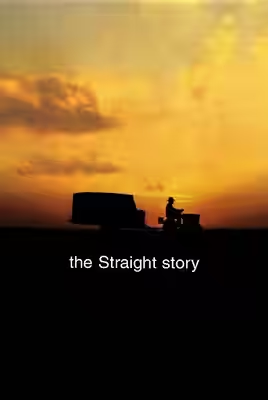
Little Miss Sunshine is the funnier and busier of the two, while The Straight Story is the slower, quieter and gentler road film. Both are about family regret, but David Lynch gives kindness more time and Richard Farnsworth's performance more room, where Dayton and Faris rely on a large cast trading irritations. Choose the Hoovers for laughs; choose Lynch for patience.
What should I watch after Little Miss Sunshine?
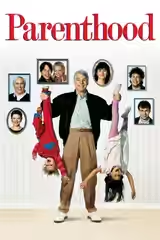
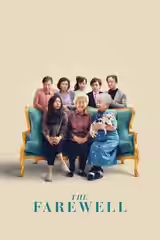
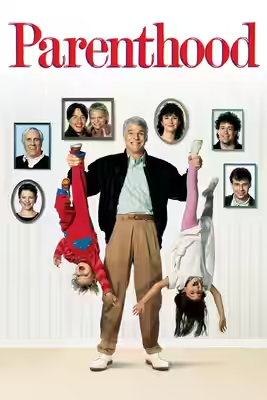
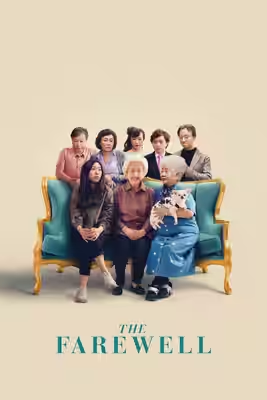
After Little Miss Sunshine, try Parenthood (1989, Fi1m 78): More family embarrassment, with enough affection to make the uncomfortable recognition bearable. Then The Straight Story (1999, Fi1m 88): A slower road journey, with family regret and kindness given time to matter; and The Farewell (2019, Fi1m 84): A family comedy that lets conflicting loyalties complicate its warmest moments.

Cast

Awards

Academy Awards, 2007

Nominated
Best Supporting Actress
Won
Best Supporting Actor
Won
Best Writing, Original Screenplay

Grand prix du Festival de Deauville, 2006

Won
Grand prix du Festival de Deauville

If you liked this, try…

  1. Parenthood (1989, Fi1m 78)More family embarrassment, with enough affection to make the uncomfortable recognition bearable.

  2. Good Morning (1959) · not reviewed yetAnother family struggling to communicate, with children who have their own methods.

  3. The Straight Story (1999, Fi1m 88)A slower road journey, with family regret and kindness given time to matter.

  4. The Farewell (2019, Fi1m 84)A family comedy that lets conflicting loyalties complicate its warmest moments.

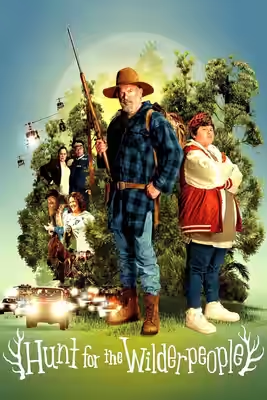
  5. Hunt for the Wilderpeople (2016, Fi1m 82)Another reluctant family taking shape through shared trouble and badly handled feelings.

Free account

Know what to watch tonight

Two lists that know where things are streaming, collections you can share, your own score beside ours, and Discover that remembers what you have seen.

  • Want to see, sorted by what is streaming now
  • Seen, with your score out of ten
  • No adverts, ever