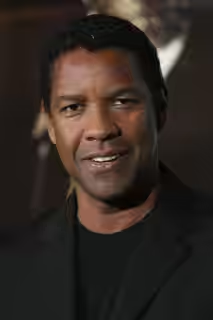
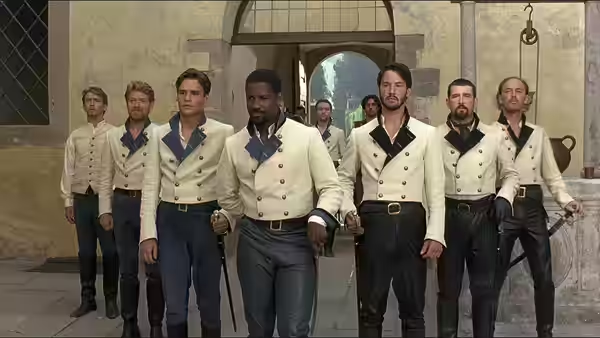
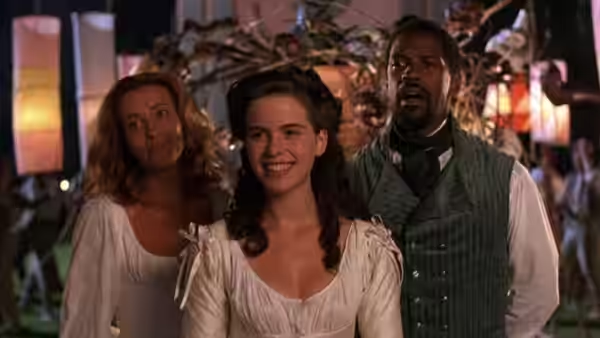
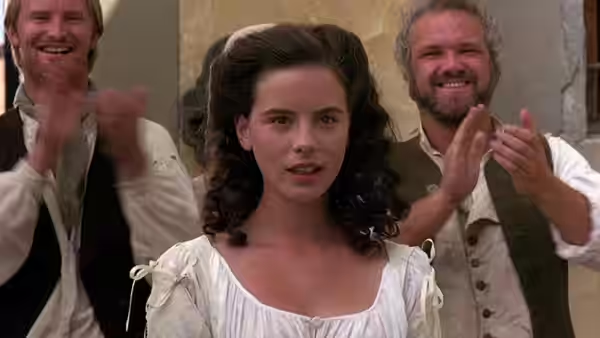
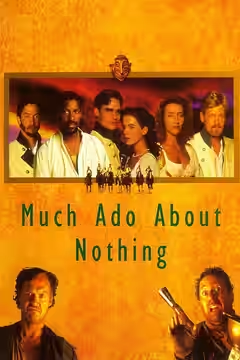
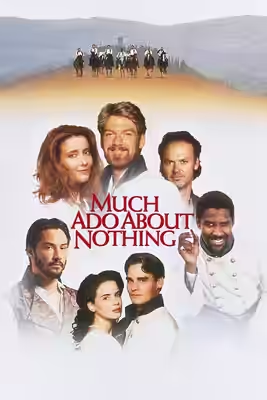
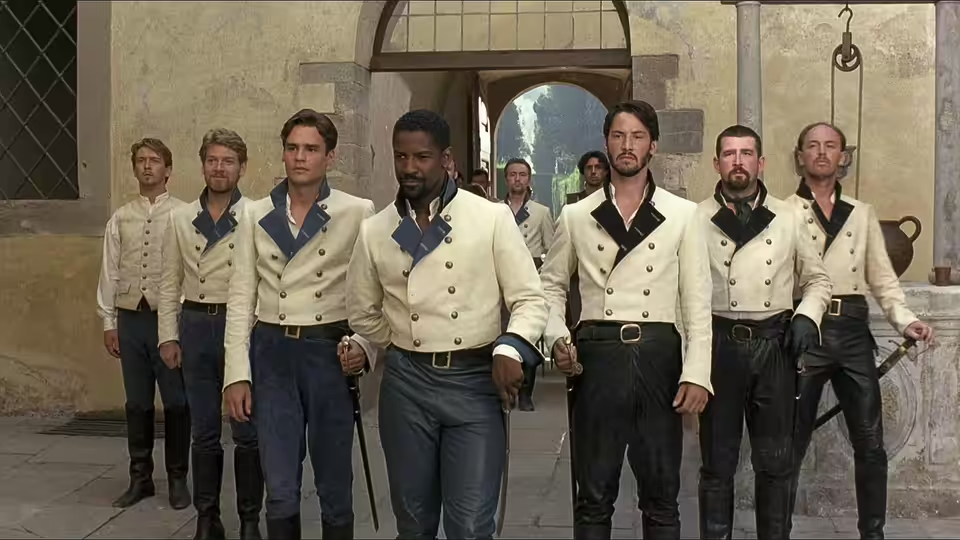
Don Pedro (Denzel Washington) standing with soldiers in a stone courtyard
Film review

Much Ado About Nothing

1993 · Directed by Kenneth Branagh · 1h 51m · MPA PG-13

In a sentenceEmma Thompson can win an argument before the men have worked out they are in one

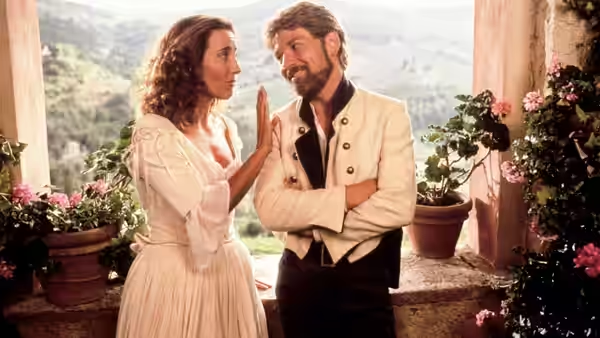
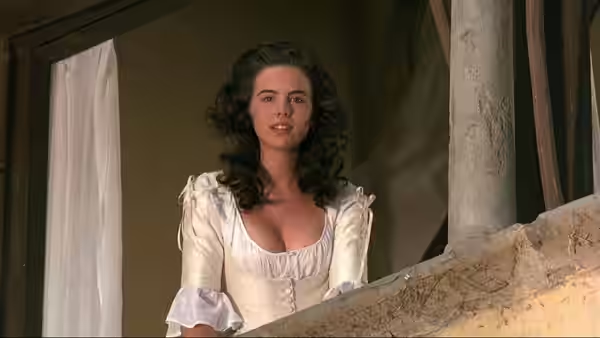
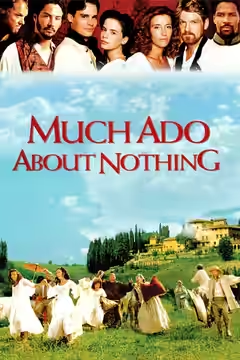
At a Tuscan villa, Beatrice (Emma Thompson) and Benedick (Kenneth Branagh) argue their way around the subject of romance. Hero (Kate Beckinsale) and Claudio (Robert Sean Leonard) form another couple, and the surrounding company includes Don Pedro (Denzel Washington) and Don John (Keanu Reeves). A masquerade ball offers further opportunities for confusion. Branagh directs and adapts Shakespeare’s comedy, with Michael Keaton as Dogberry and Richard Briers as Signor Leonato. Courtship, mischief and competing accounts of other people’s feelings keep the company occupied.

Plays from YouTube when you press play; nothing loads from them until then.

Fi1m review

Emma Thompson and Kenneth Branagh make Shakespeare’s sparring lovers worth an evening. The romance is persuasive, though the physical comedy sometimes needs someone to tell it to sit down.

Kenneth Branagh’s Much Ado About Nothing is good company, with romantic leads worth forgiving some strenuous clowning for. His approach to Shakespeare’s comedy is to make the gathering feel inviting before asking us to keep up with its talk. That is a sensible way into a film whose chief pleasure is hearing Emma Thompson’s Beatrice and Branagh’s Benedick answer one another back. The trouble comes when Branagh seems unwilling to trust that pleasure and starts working quite so hard to amuse us.

Roger Lanser’s photography makes the Tuscan setting inviting, though the images are sometimes content simply to record its attractiveness. Tim Harvey’s production design gives the masquerade ball a sociable setting without making it feel like a formal display. These are useful choices for a comedy that needs people to seem at ease before they begin misunderstanding one another. Yet the opening’s exuberance sets a level of pleasure the rest of the film cannot quite sustain.

Thompson supplies the better reason to stay. Her Beatrice sounds quick enough to enjoy an argument and sufficiently alert to recognise when one has become personal. We laughed at her exchanges with Benedick because her replies seem to take shape as she speaks. Branagh is a willing opponent, although his insistence on making the comedy visible sometimes gets ahead of the words. When they ease off the effort, the possibility of affection is persuasive, and we begin to care about what they might say without an audience.

Denzel Washington’s Don Pedro is useful precisely because he does so little to compete with them. His restraint gives the social comedy some gravity and suggests how much can be achieved without another flourish. The contrast exposes the limits of Branagh’s broadest direction: he can make a company look delighted to be together, but he cannot make every comic turn equally funny. Michael Keaton’s Dogberry is an acquired taste, and our appetite for the clowning is smaller than the film expects.

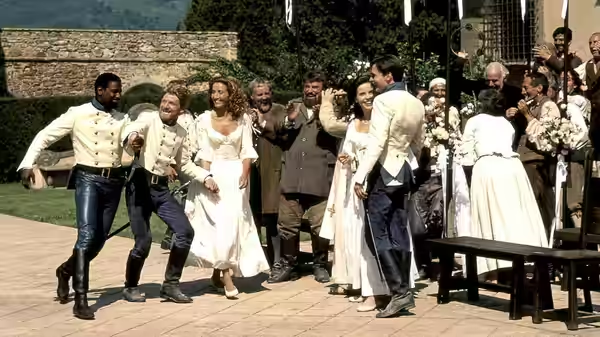
Andrew Marcus’s editing is most effective when the verbal exchanges set the pace. In the physical comedy, the film feels less certain of when to stop, and jokes continue after we have understood them. Patrick Doyle’s music adds to the determined cheer; we would sometimes prefer less encouragement. The romantic mood needs room for embarrassment and unease as well as pleasure. Branagh lets the darker implications of this comedy recede too readily, which makes the brightness start to feel compulsory.

As screen Shakespeare, this works best when the actors speak to each other without appearing to worry about making the language approachable. Thompson and Washington manage that with particular assurance, and the romance benefits from it. The broader comedy is harder to excuse because it seems intended to reassure an audience that Shakespeare can be fun. By that point, the people having the arguments have already persuaded us, and another bout of physical business interrupts something we were enjoying.

The critical consensus falls below a recommendation; we disagree because the central performances give the romance enough warmth to carry it. The objections to forced cheer and slapstick are fair, but they do not account for everything that works between Thompson and Branagh. At 111 minutes, the film gives us enough of that company to outweigh the stretches we would happily trim. Choose it for the sparring and the romance, with some tolerance for a director who occasionally insists on joining in the laughter.

Critical consensus AI synthesised

72
Positive
9
Mixed
0
Negative
2

Most critics are won over. The reviews lean warmly positive, with nine of eleven in favour, and the praise clusters on the two leads: Kenneth Branagh and Emma Thompson as Benedick and Beatrice, whose sparring most find sharp and the film’s chief pleasure. Branagh’s direction is credited with making the play accessible and high-spirited, and the Tuscan villa setting, the starry ensemble and the cheerful pace come up again and again. Several single out Michael Keaton’s Dogberry and Denzel Washington’s Don Pedro.

The spread is wide. Two reviews reject the film outright. The New Yorker finds the lush visuals and forced cheer crowd out the play’s darker edges and wit, and complains of the slapstick, though it praises Washington’s restrained Don Pedro. The Independent calls the adaptation lacklustre and self-indulgent, and is unusual in faulting Thompson and Branagh themselves. Among the admirers, Variety thinks the images undistinguished given the setting, and Time Out finds the leads better at romance than comedy.

RogerEbert.com
21 May 1993 · ★★★★/4 · Roger Ebert
100

The critic praises the film's high spirits, joyful tone and the sparkling chemistry between Kenneth Branagh and Emma Thompson as Benedick and Beatrice. He highlights Branagh's energetic direction that reinvents the Shakespeare comedy for the screen with accessible, cheerful energy.

Read the full review →
The New York Times
7 May 1993 · NYT Critic’s Pick
90*

The critic praises Branagh for transforming Shakespeare's romantic comedy into a triumphantly romantic, comic, and emotionally alive film set at a Tuscan villa. They highlight how the movie uncovers a radiant heart in the play through its artifice and humanity.

Read the full review →
Empire
1 January 2000 · Angie Errigo
85*

The critic praises the film as a delightful, starry crowd-pleaser and one of Branagh's greater directorial efforts. She singles out the beautiful Tuscan location, the accessible romantic comedy tone, and the joy of the exuberant ensemble cast for praise.

Read the full review →
Los Angeles Times
14 May 1993 · Kenneth Turan
85*

The critic celebrates the rollicking version led by the star power and top-form performances of Emma Thompson and Kenneth Branagh as the verbally sparring lovers. He singles out the accessible, high-spirited direction and strong ensemble handling of the language as making it a model of popular Shakespeare.

Read the full review →
Vulture
7 June 2013
80*

The 1993 Branagh adaptation is a wonder and a perfect term-paper movie that capably brings the traditional interpretation of Much Ado About Nothing to life. It features a strong cast including Branagh and Thompson as Benedick and Beatrice, who deliver good screen performances as a real-life couple, along with pleasures like the picture-perfect opening credits and an overall luxurious Italian vibe.

Read the full review →
Time Out
70*

The critic finds much to commend in Branagh's pruned, international version of Shakespeare's comedy despite the opening sequence being unmatched. Branagh and Thompson handle the romance better than the comedy but deliver solid verbal jousting, with strong supporting turns from Washington, Reeves, Keaton and Elton.

Read the full review →

Straight answers AI written, from our review

Is Much Ado About Nothing worth watching?
Much Ado About Nothing is worth watching for Emma Thompson and Kenneth Branagh's sparring, and we scored it 78. The romance between Beatrice and Benedick is persuasive, and Denzel Washington's restraint gives the company some gravity. Be warned that the physical comedy, Michael Keaton's Dogberry in particular, runs on after the joke has landed, and most critics rate it lower than we do.
How long is Much Ado About Nothing, and what is it rated?
Much Ado About Nothing runs 1h 51m and is rated PG-13 by the MPA in the US. It is a drama and comedy film.
Where can I watch Much Ado About Nothing in the US?
Much Ado About Nothing is streaming on Amazon Prime Video, Tubi, Pluto TV and The Roku Channel in the US, and it is also available to rent from Amazon Prime Video from $3.99. It leaves Tubi on 1 October. Availability is checked daily; the links above go straight to each service.
How does Much Ado About Nothing compare to The Philadelphia Story?
Much Ado About Nothing and The Philadelphia Story both turn on lovers who argue well and listen better, but the Cukor film is the tighter and funnier of the two. Branagh's Shakespeare has the warmer setting and the more persuasive central romance, yet it keeps interrupting itself with slapstick. Choose the older film for sharper comedy, this one for Thompson.
What should I watch after Much Ado About Nothing?
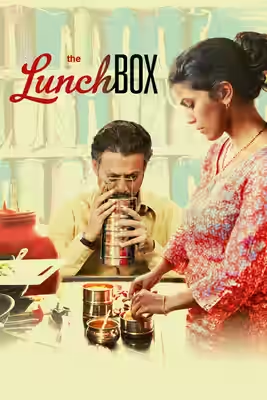
After Much Ado About Nothing, try The Philadelphia Story (1940, Fi1m 84): Sharp romantic arguments, bruised pride and performers who know when to listen. Then My Night at Maud's (1969, Fi1m 81): For romantic hesitation and talk that matters more than anyone admits; and The Lunchbox (2013, Fi1m 75): A quieter courtship, with grown adults struggling to say what they mean.

Cast

If you liked this, try…

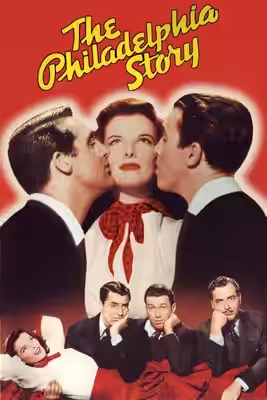
  1. The Philadelphia Story (1940, Fi1m 84)Sharp romantic arguments, bruised pride and performers who know when to listen.

  2. A Room with a View (1985) · not on Fi1m yetFor another romance whose attractive surroundings cannot spare anyone an awkward conversation.

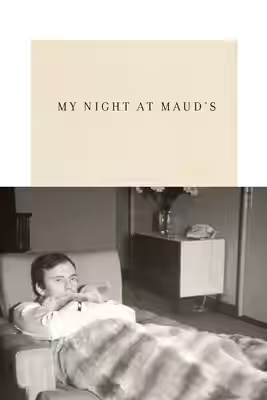
  3. My Night at Maud's (1969, Fi1m 81)For romantic hesitation and talk that matters more than anyone admits.

  4. The Lunchbox (2013, Fi1m 75)A quieter courtship, with grown adults struggling to say what they mean.

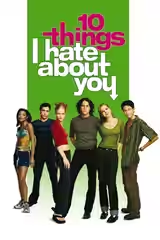
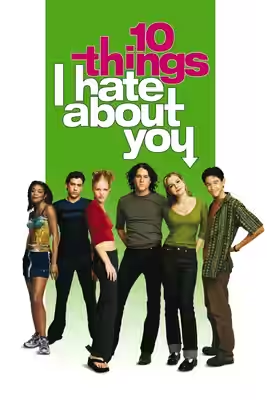
  5. 10 Things I Hate About You (1999, Fi1m 80)For another pair of combative lovers whose sharp remarks conceal softer feelings.

Free account

Know what to watch tonight

Two lists that know where things are streaming, collections you can share, your own score beside ours, and Discover that remembers what you have seen.

  • Want to see, sorted by what is streaming now
  • Seen, with your score out of ten
  • No adverts, ever