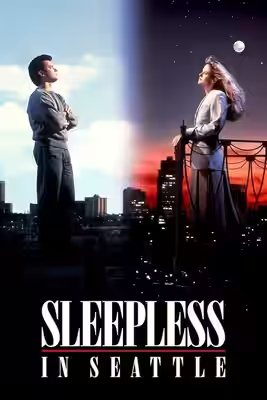
Nora Ephron’s romance is warm and funny, with Tom Hanks and Meg Ryan making most of the sentiment feel earned. The leisurely pace and determined belief in destiny need a little more indulgence.
Nora Ephron’s Sleepless in Seattle is a good romantic comedy with an idea about love we would hesitate to pass on to a friend. It asks us to invest in two people before they have much opportunity to discover what irritates them about each other. Ephron, writing with Jeff Arch and David S. Ward, understands the appeal of that arrangement. The film is funny and warm enough to carry it, although its faith in destiny eventually does some of the characters’ thinking for them.
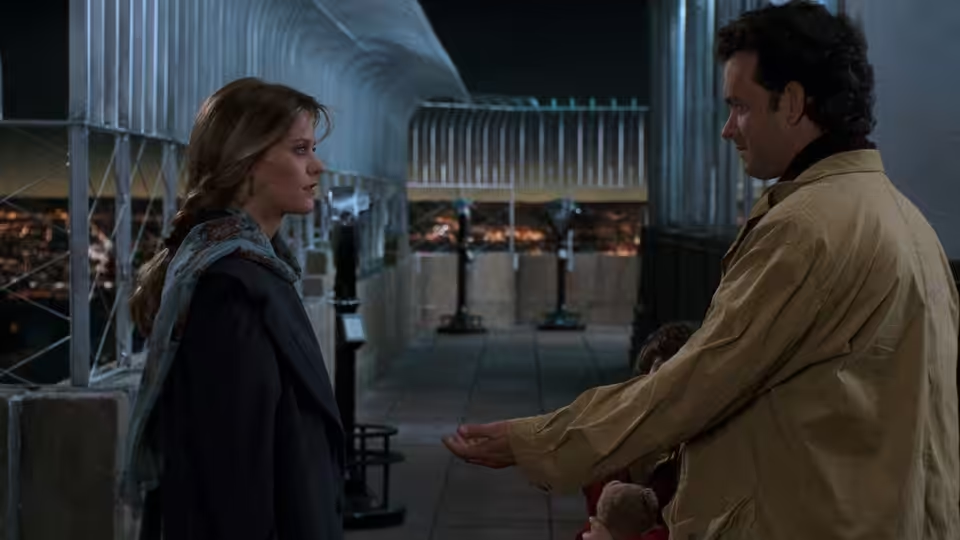
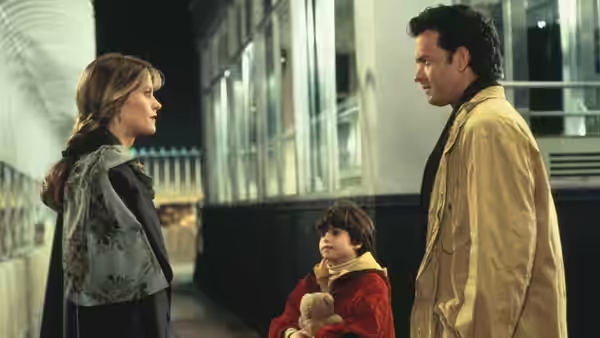
As Sam Baldwin, Tom Hanks makes the romantic premise feel less preposterous simply by seeming like someone who has other things on his mind. He is persuasive without seeming to campaign for our affection, which matters in a film already working so hard to secure it. Meg Ryan’s Annie Reed has the more exposed task: wanting this much can quickly become irritating. Ryan finds enough humour in that wanting to keep us with her, even when the film seems unwilling to question it.
The screenplay is happiest when someone interrupts the yearning long enough to be ridiculous. We laughed at the tiramisu gag: adult uncertainty is a welcome relief when the film is otherwise so sure about love. Ross Malinger, Rosie O’Donnell and Rob Reiner help keep the comedy sociable rather than precious. The supporting cast gives Ephron room to vary the conversations, and the brisker exchanges stop the central romantic idea from becoming oppressive.
We respond most to the faces in Sven Nykvist’s photography, especially Hanks’s, where uncertainty remains visible beneath the romantic assurance. Jeffrey Townsend’s production design feels welcoming, which is useful in a film asking us to enjoy the prospect of happiness for strangers. Robert M. Reitano’s editing keeps the separate leads in conversation for the audience, though the rhythm becomes too leisurely once the premise is established. There are stretches when we are ready to move on and the film is still enjoying the anticipation.
Marc Shaiman’s music contributes to the film’s determination to make us feel looked after. We would welcome more restraint from the soundtrack, which sometimes tells us how to respond before the actors have had their chance. That insistence is a small but persistent nuisance: Hanks and Ryan can suggest tenderness without quite so much assistance, and the quieter humour needs even less.
Part of the pleasure of a romantic comedy is watching attraction survive shared embarrassment and disagreement. Here, distance saves the central pair a great deal of that work. The references to An Affair to Remember show how happily Ephron borrows an established romance to encourage our hopes for this one. We admire the nerve, but the pair’s limited acquaintance leaves the film with little to say about how they might manage an ordinary relationship.
Still, there is pleasure in a romantic comedy that takes longing seriously without making every conversation solemn. Ephron trusts the charm of her cast, and for most of the film that trust is justified. At 105 minutes, it asks for a manageable amount of indulgence, though sceptics will have ample time to assemble their objections. Choose it for an evening when affection and good company matter more than a plausible courtship.