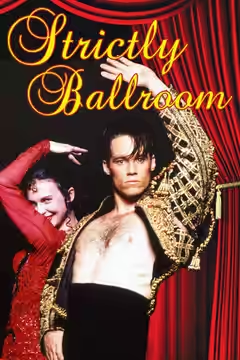
Baz Luhrmann’s ballroom romance is funny, generous and carried by Paul Mercurio and Tara Morice’s conviction. The comedy can shout, and the story holds few surprises, but the dancing gives its familiar courtship enough life to matter.
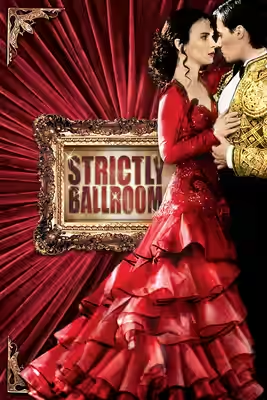
Baz Luhrmann makes Strictly Ballroom noisy, sentimental and easy to like. Its young dancer’s quarrel with the old guard lets him make a romance out of the pressure to conform, without pretending that ballroom competition needs to be explained in solemn detail. The film has enough affection for dancing to make its mockery of the surrounding snobbery worth hearing. The comedy is sometimes overdone, but we recommend it for the conviction of its leads.
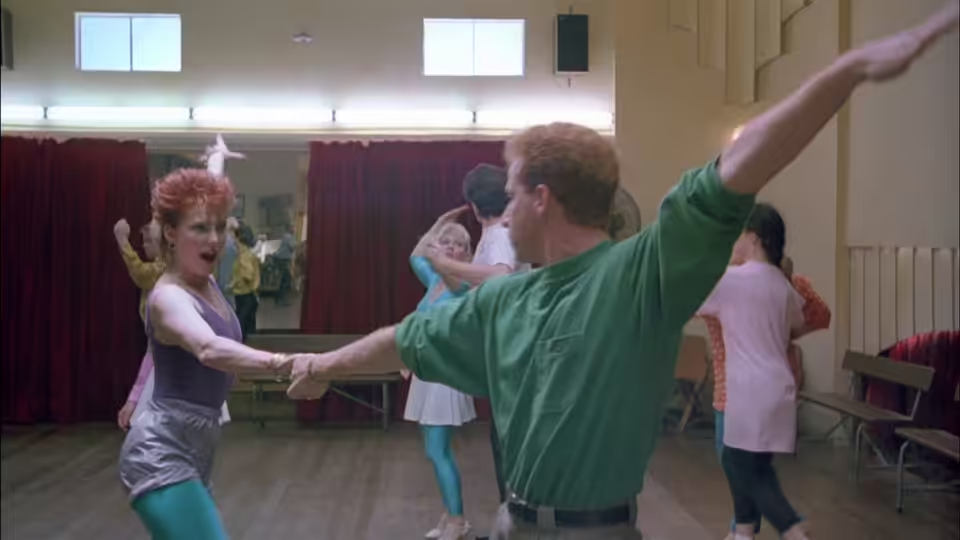
Luhrmann and co-writer Craig Pearce give Scott Hastings and Fran a fairy-tale courtship, and there is little point waiting for the story to become less familiar. What counts is how much life they can get into it. The rehearsal-to-performance progression gives the romance a practical task: these people have something to learn together. It also keeps the film from having to announce every feeling in dialogue, although the broader comedy is rarely content to let anything pass quietly.
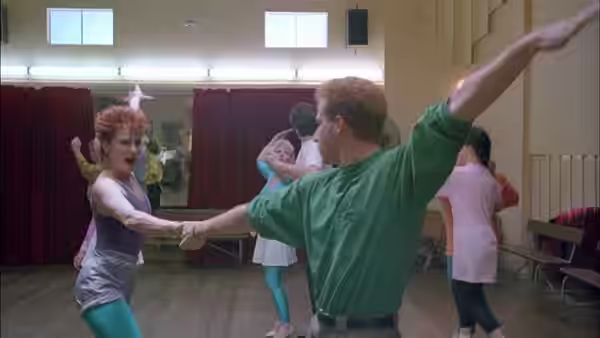
Paul Mercurio’s Scott carries enough confidence to make his challenge to the old guard plausible, without making us feel that applause is compulsory. Tara Morice’s Fran gives the romance the uncertainty it needs. We were more moved than we expected by their dancing together. Their attention to one another makes the growing attachment convincing, even when the story is plainly arranging it for them. Morice is especially good at giving a familiar romantic role a sense of someone working things out for herself.
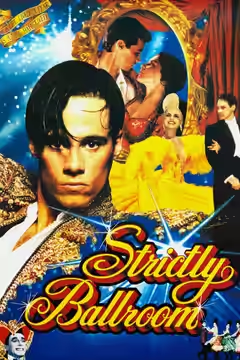
Steve Mason’s photography makes the spangles part of the joke without making the dancing look foolish. There is enough pleasure in the display to explain why anyone would want a place on this floor. Catherine Martin’s production design and Angus Strathie’s costumes give the ballroom’s pretensions a suitably overdecorated setting and wardrobe. The clothes are funny, and the people wearing them appear to believe in them completely.
Jill Bilcock’s editing is brisk enough to make the competitive fuss feel contagious, though the pace occasionally presses a joke that would survive without help. The dance sequences benefit from that urgency: we feel the effort and the desire to get it right. David Hirschfelder’s music gives the romance an emphatic push, sometimes more than it needs. The film’s pleasure in rhythm is persuasive, particularly when the dancers have our attention and the comic commotion subsides.
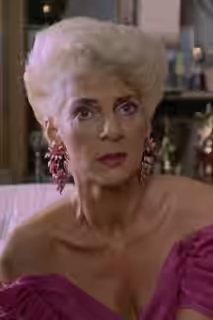
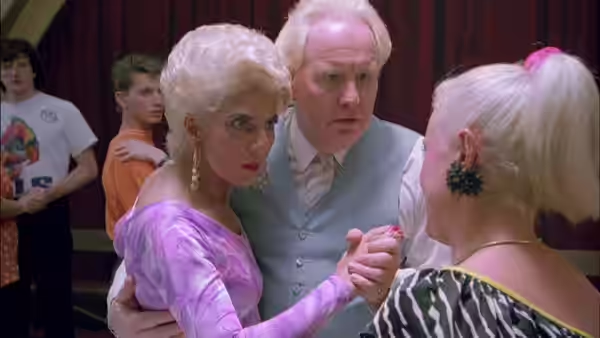
Bill Hunter’s Barry Fife and Pat Thomson’s Shirley Hastings are played broadly enough to suit this exaggerated setting, and both performers commit to it. The trouble is that Luhrmann sometimes treats comic force as a reason to keep pushing. We understand the vanity and the pressure to conform before the film has finished insisting on them. These stretches leave us wishing the surrounding characters had been allowed a little more ordinary conversation.
The fairy-tale plotting may bother anyone who wants a romance to feel accidental, or a comedy about snobbery to offer much social detail. Luhrmann is working in a more openly theatrical tradition, where we accept the exaggeration because the performers make their feelings credible. At 94 minutes, the film does not require a large investment in that approach. If the broad comedy grates, stay long enough to watch Mercurio and Morice find their rhythm together.