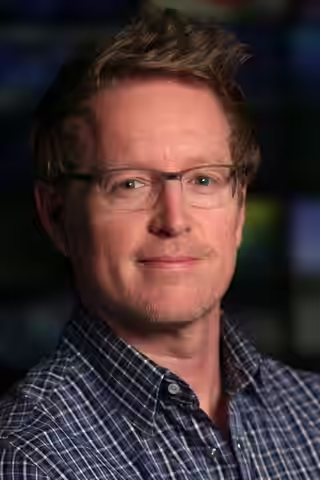
Andrew Stanton's best films watch a machine or a fish want something and let us work out the rest. When he trusts that quiet he is as good as anyone in family animation; when he stops to explain, or to protect, the films shrink.
Fi1m perspective
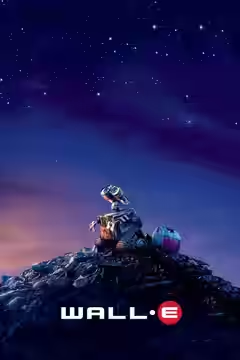
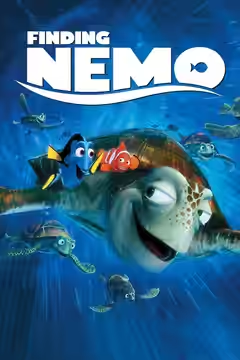
The Stanton scene is a small creature, alone, doing its job with nobody watching. A robot compacting rubbish on an empty planet and pausing over what it finds. A father fish who sees danger everywhere and a son who wants room to live. He gives these stretches time, keeps the talk to almost nothing, and trusts us to work out from what the character looks at what it is missing. It is a rare habit in family animation, and WALL·E (2008) is the best case for it.
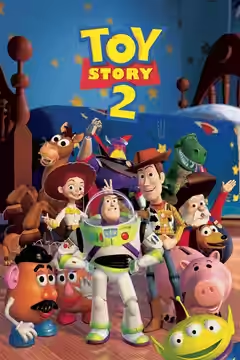
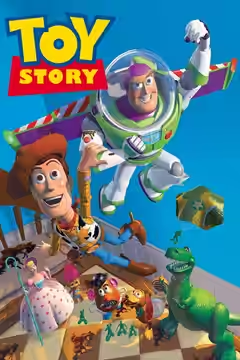
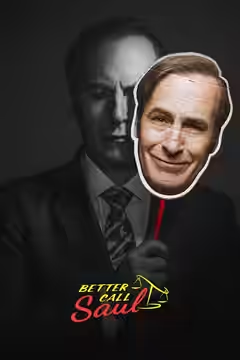
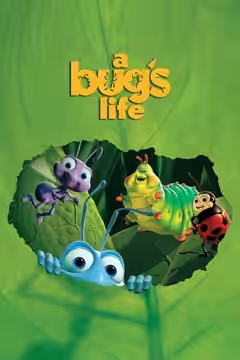
He arrived at Pixar in 1990 as its second animator. Toy Story (1995), Toy Story 2 (1999) and Monsters, Inc. (2001) all carry his name, and the scripts share a refusal to explain a joke a child can already see. He co-directed A Bug's Life (1998), then directed Finding Nemo (2003) and WALL·E, which remain the two films we judge him by. The live-action John Carter (2012) followed, then Finding Dory (2016), and he has since directed a good deal of other people's television: two episodes of the second run of Stranger Things, and episodes of Legion, Better Call Saul, For All Mankind and 3 Body Problem. In 2026 he went back to the toys with Toy Story 5, the first in that series he has directed himself.
The two great ones share a pattern, and they share a fault. WALL·E is at its best with two robots, Ben Burtt and Elissa Knight making a courtship out of small variations in a beep, and Stanton and his co-writer Jim Reardon hold steady for as long as nobody speaks. Once the humans arrive it gets busier and less surprising. Finding Nemo, written with Bob Peterson and David Reynolds, has already shown us the father's love and exasperation through Brooks, then stops to spell the lesson out anyway. Stanton trusts us with the feeling and then explains the lesson. We were moved by the first half hour of WALL·E more than we expected to be by a film about a machine that squashes rubbish, and it was because nobody told us to be; the later satire of shopping and screens is easy to read, and we felt the difference.
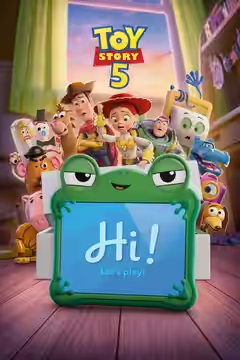
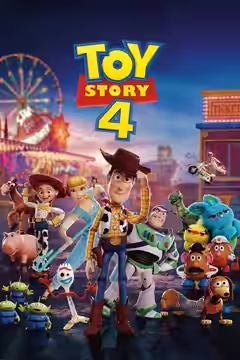
Toy Story 5 is the disappointment, and a telling one. He said he took it on because "Somebody might fuck it up." The film he and Kenna Harris wrote is careful, funny and handsome, and it wisely hands its weight to Joan Cusack's Jessie, who is allowed to slow down for once. But it raises the question of children and screens and then puts it down and goes home. He took the job to keep the series safe, and the film he made is safe. If you want to know what he can do, start with WALL·E, and notice how long it is before anyone says a word.
Biography
Andrew Stanton is an American filmmaker, animator and screenwriter. He joined Pixar Animation Studios in 1990 as its second animator and ninth employee, having studied character animation at the California Institute of the Arts.
He is known for directing the Pixar features Finding Nemo (2003), WALL·E (2008) and Finding Dory (2016), and for writing or co-writing the first five Toy Story films (1995–2026), A Bug's Life (1998) and Monsters, Inc. (2001). He directed episodes of the series Stranger Things (2016) and others. Finding Nemo and WALL·E won Academy Awards for Best Animated Feature.