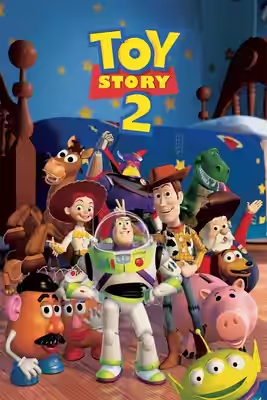
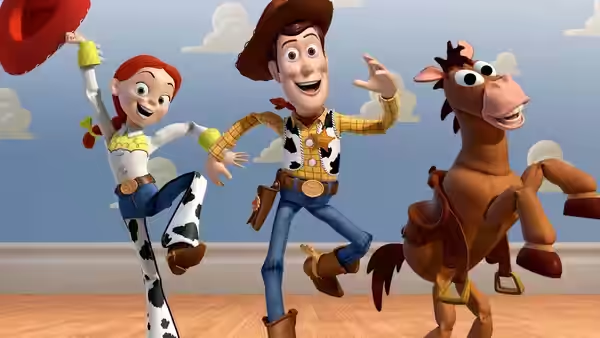
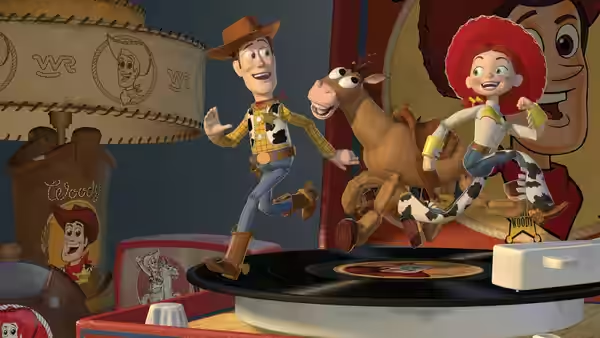
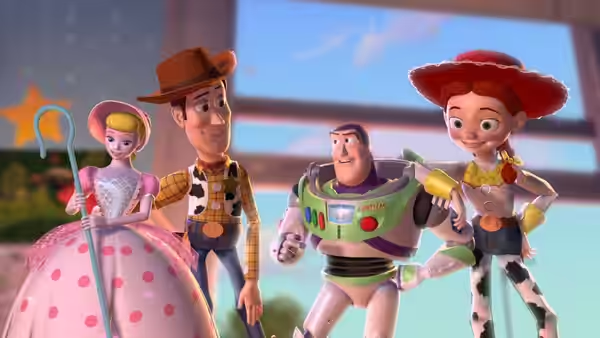
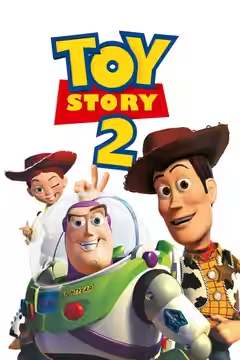
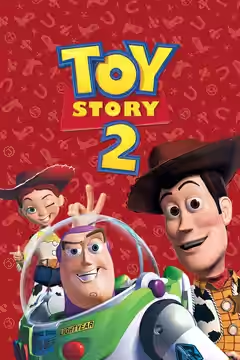
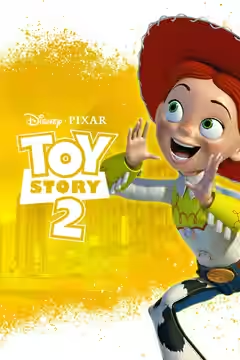
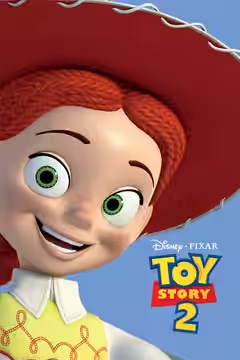
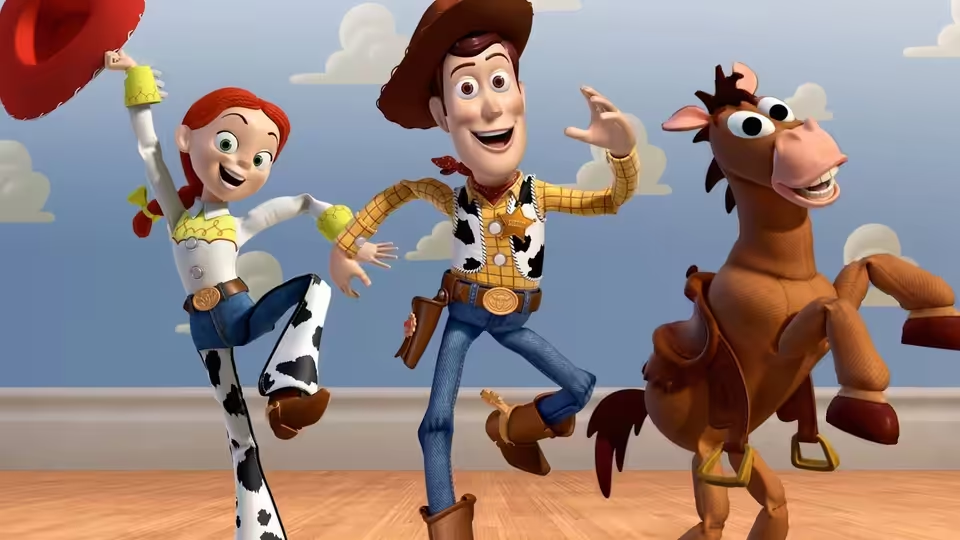
Woody (Tom Hanks), Jessie (Joan Cusack) and Bullseye dancing in a bedroom
Film review

Toy Story 2

1999 · Directed by John Lasseter · 1h 32m · MPA G

In a sentenceTalking toys have made clearing out a cupboard feel like a moral failing

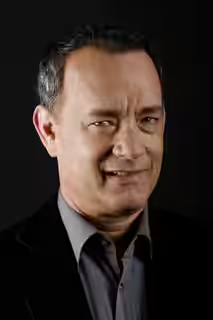
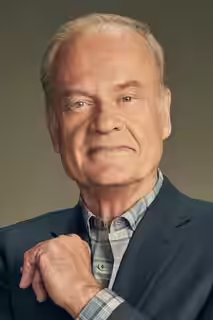
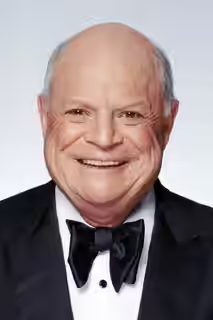
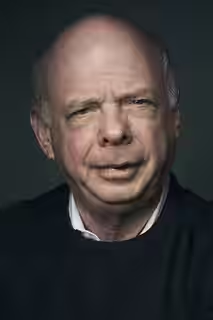
Woody (voiced by Tom Hanks) and Buzz Lightyear (Tim Allen) return in a story about toys, their owners and what happens when children grow up. Jessie (Joan Cusack) and the Prospector (Kelsey Grammer) join a cast that includes Mr. Potato Head (Don Rickles), Slinky Dog (Jim Varney) and Rex (Wallace Shawn). For these toys, being loved means having a purpose, but that love comes with the possibility of being forgotten. Friendship, loyalty and the fear of losing a place in a child’s life shape an adventure told from the toys’ point of view.

Plays from YouTube when you press play; nothing loads from them until then.

Fi1m review

John Lasseter’s sequel is funny, moving and unusually clear-eyed about how childhood ends. A few action passages feel dutiful, but the toys’ fear of being forgotten gives the comedy a reason to matter.

Toy Story 2 is a sequel worth making, and we recommend it even to anyone who thinks they have outgrown talking toys. Director John Lasseter takes a familiar childhood attachment seriously: a toy can matter enormously to someone who will eventually stop needing it. The comedy grows from giving those objects enough awareness to worry about that prospect. There is plenty of action, but the fear of being forgotten is what makes the film stay with us.

The screenplay by Doug Chamberlin, Rita Hsiao, Andrew Stanton and Chris Webb gives the toys concerns that children can understand without restricting what adults might feel. Loyalty is a practical problem here, something characters have to act on, rather than a lesson pasted over the adventure. The jokes allow different ages to enjoy the same film together instead of taking turns. Some of the knowing humour is less durable than the characters, but the writing rarely treats cleverness as sufficient entertainment.

Tom Hanks gives Woody a warmth that makes his worries matter, while Tim Allen’s Buzz Lightyear provides a firmer comic delivery. Their voices remain distinct without sounding as though they belong in different films. Joan Cusack’s Jessie adds energy and, more importantly, an emotional life that does not simply repeat Woody’s. The pleasure of the voice work is how little effort it appears to require; nobody sounds as though they are straining to make an impression over the animation.

Sharon Calahan’s cinematography makes the toys look solid enough to pick up, and keeps their expressions readable within that near-real finish. William Cone and Jim Pearson’s production design helps these familiar objects sustain a whole feature without losing their everyday character. That matters because they must still look like things a child might leave behind. The technical polish works because it encourages affection for the toys, rather than simply inviting us to inspect how convincingly they have been made.

Randy Newman’s music is especially valuable because the film needs room for sadness as well as bustle. Jessie’s song, ‘When She Loved Me’, moved us more than we expected. That sadness comes from recognising how casually children can put aside something they once loved. The song takes that attachment seriously, and its tenderness makes the comedy elsewhere more welcome: these characters have feelings worth sparing.

Editors Edie Ichioka, Lee Unkrich and David Ian Salter keep the film brisk across its 92 minutes without making the quieter material seem like an interruption. The reservation is with some of Lasseter’s action staging, which feels more dutiful than inventive. Movement occasionally supplies excitement that the situation itself has not quite earned. These passages are competently assembled, but they are where the sequel feels least fresh.

Children do not need to grasp every worry here for the jokes to work. Adults may recognise rather more than they expected in the toys’ dependence on somebody else’s affection. By the standards of family sequels, it gives both audiences an uncommon amount to think about without making either sit through a lecture. See it with children if possible, but there is no need to borrow any.
Critical consensus AI synthesised

86
Positive
7
Mixed
1
Negative
0

Most critics regard Toy Story 2 as a sequel that matches or improves on the original, with praise clustering around its inventive script, accomplished animation and strong voice work. The reviews repeatedly connect its technical advances to its emotional reach: the toys’ fears of being forgotten give the comedy weight without crowding out the jokes. New characters and lively set-pieces also draw praise, as does the balance of entertainment for children and wit for adults.

The disagreement concerns freshness and tone rather than the strength of that emotional connection. Sight and Sound finds the sequel less fresh despite its richer understanding of the toys’ limited time with their owners. Slant Magazine offers the clearest dissent, finding the staging and direction flawed, the action short on imagination and the sweetness excessive, while still recognising its feeling for love and loss. The spread is otherwise concentrated firmly at the positive end.

Radio Times
★★★★★ · David Parkinson
100

Praises it for surpassing the predecessor and restoring credibility to family entertainment, with thrilling action for youngsters and clever in-jokes and touches for grown-ups; calls it nigh-on perfect.

Read the full review →
RogerEbert.com
24 November 1999 · ★★★★/4 · Roger Ebert
100

The critic praises the film for capturing the emotional bond between children and their toys, emphasizing themes of love, belonging, and the fear of being forgotten. It highlights the inventive storytelling, strong voice performances, and Pixar's animation as creating a profound and entertaining experience beyond typical sequels.

Read the full review →
The Guardian
4 February 2000 · Peter Bradshaw
90*

The critic calls it an upgrade and species leap in animation rather than a mere sequel, praising its technical magnificence, hyperreal visuals, and human script that surpasses earlier films like The Phantom Menace. They single out the emotional power of Jessie's song "When She Loved Me" as a standout tear-jerker alongside the witty characterisation and inventive plot.

Read the full review →
Variety
17 November 1999 · Todd McCarthy
90*

The review calls it a richer and more satisfying sequel with broadened scope, emotional depth, and boisterous humor that surpasses the original in every respect. It highlights the fresh characters, thematic poignancy around mortality, and outstanding voice work as key strengths.

Read the full review →
Empire
1 January 2000 · Caroline Westbrook
85*

The critic calls Toy Story 2 a highly superior sequel that matches the original in quality and inventiveness, with strong new characters, set-pieces and jokes. It is praised for the care taken to make it as good as the first film rather than a quick cash-in, leaving viewers wanting more.

Read the full review →
The New York Times
24 November 1999 · Janet Maslin
85*

The review celebrates the sequel's enhanced imagination and technical sophistication while maintaining the charm and wit of the original. It singles out the film's ability to blend cutting-edge animation with heartfelt storytelling about loyalty and nostalgia without sentimentality.

Read the full review →

Straight answers AI written, from our review

Is Toy Story 2 worth watching?
Toy Story 2 is worth watching, and we scored it 89, our recommendation extending even to adults who think they have outgrown talking toys. John Lasseter's sequel is funny and unusually honest about how children stop needing the things they loved, with Randy Newman's 'When She Loved Me' the moment that moved us most. Some action passages feel dutiful rather than inventive.
How long is Toy Story 2, and what is it rated?
Toy Story 2 runs 1h 32m and is rated G by the MPA in the US. It is an animation and comedy film.
Where can I watch Toy Story 2 in the US?
Toy Story 2 is streaming on Disney+ in the US, and it is also available to rent from Amazon Prime Video from $3.99. Availability is checked daily; the links above go straight to each service.
How does Toy Story 2 compare to Toy Story?
Toy Story 2 is the more moving of the two films, while the original Toy Story is the tighter. The sequel gives the toys a real fear of being forgotten, and Randy Newman's music earns its sadness here where it sometimes overstated things in the first film. The first is the sharper comedy of quarrelling toys; the second gives adults rather more to think about.
Do you need to have seen the other Toy Story films before Toy Story 2?
Toy Story 2 is the second of five films and picks up with Woody and Buzz Lightyear already established as friends, so the first film is the natural place to start. Newcomers can still follow it: the story of toys afraid of being outgrown is set out clearly from the beginning. At 92 minutes, the sequel asks little of anyone's evening.
What should I watch after Toy Story 2?
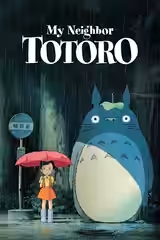
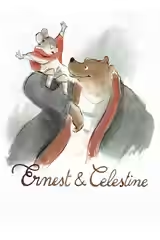
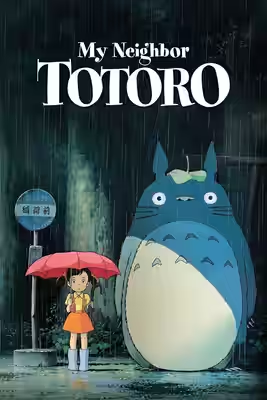
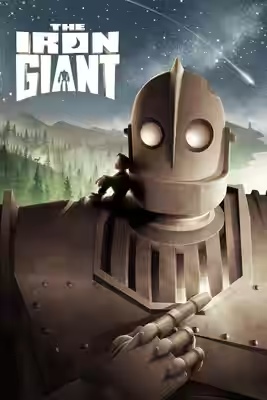
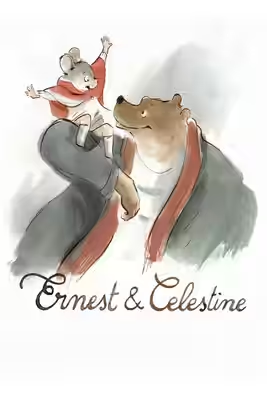
After Toy Story 2, try My Neighbour Totoro (1988, Fi1m 89): Children’s fears receive the same patient attention as their capacity for wonder. Then The Iron Giant (1999, Fi1m 88): Another animated friendship that takes children’s feelings seriously without neglecting the jokes; and Ernest & Celestine (2012, Fi1m 84): A bear and a mouse become friends despite what their neighbours think.
What order should I watch the Toy Story films in?
Release order is the safe choice for Toy Story, and it is the order our collection page lists them in. Toy Story 2 is number 2 of the 5 Toy Story titles on Fi1m; before it comes Toy Story and after it Toy Story 3. The full order.

Part of · 2 of 5

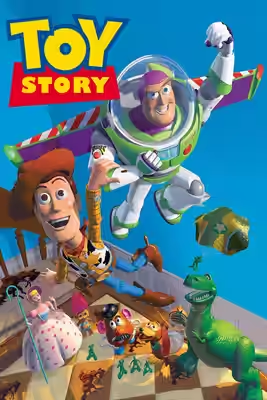
Toy Story

5 films on Fi1m · 1995–2026 · average 82 · best Toy Story 92

All 5 in order

Cast

Awards

Annie Award for Best Animated Feature, 2000

Won
Annie Award for Best Animated Feature

BAFTA Film Awards, 2000

Nominated
BAFTA's Children & Young People Award - Feature Film

Kids' Choice Award for Favorite Movie, 2000

Nominated
Kids' Choice Award for Favorite Movie

Critics' Choice Awards, 1999

Won
Best Animated Feature

If you liked this, try…

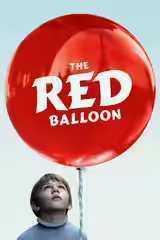
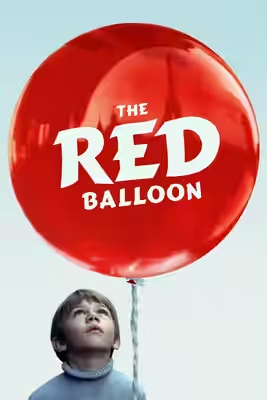
  1. The Red Balloon (1956) · not reviewed yetA child’s attachment to an unlikely companion needs little dialogue to move us.

  2. My Neighbour Totoro (1988, Fi1m 89)Children’s fears receive the same patient attention as their capacity for wonder.

  3. The Iron Giant (1999, Fi1m 88)Another animated friendship that takes children’s feelings seriously without neglecting the jokes.

  4. Ernest & Celestine (2012, Fi1m 84)A bear and a mouse become friends despite what their neighbours think.

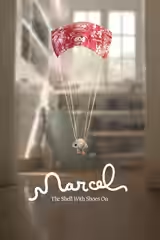
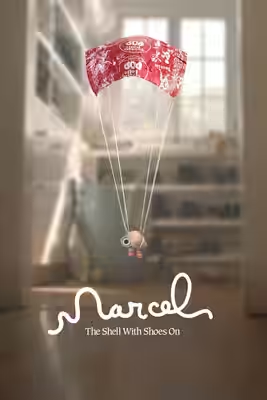
  5. Marcel the Shell with Shoes On (2021, Fi1m 77)Small household objects carry surprising feeling in another story about belonging.

Free account

Know what to watch tonight

Two lists that know where things are streaming, collections you can share, your own score beside ours, and Discover that remembers what you have seen.

  • Want to see, sorted by what is streaming now
  • Seen, with your score out of ten
  • No adverts, ever