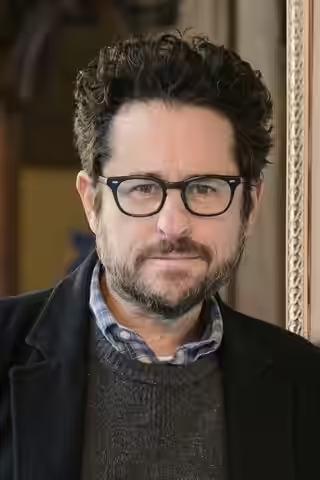
J.J. Abrams makes familiar film series welcoming to newcomers, chiefly by giving us people worth following. We like him best when he lets them talk, and least when he hurries them into another action sequence.
Fi1m perspective
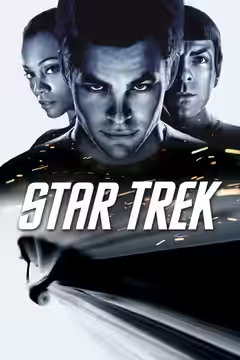
In Star Trek (2009), Abrams makes the crew's first encounters funny enough to enjoy without worrying about where everybody needs to end up. Chris Pine and Zachary Quinto help make familiar characters worth meeting again. We warmed to this company because the jokes let us get to know them. He gets the essential business of a fresh start right: we want to spend time with these people.
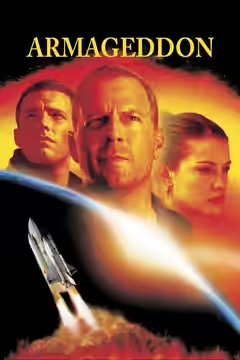
The strengths and the impatience were already there in his screenwriting. For Michael Bay's Armageddon (1998), he and Jonathan Hensleigh give Bruce Willis's drillers a clear task: put nuclear bombs inside an asteroid. The broad characters leave room for jokes, but the dialogue turns laboured when it asks them to be tender. We would not make Abrams answer for Bay's handling of affection, though the script scarcely supplies the ordinary exchanges that might make it convincing.
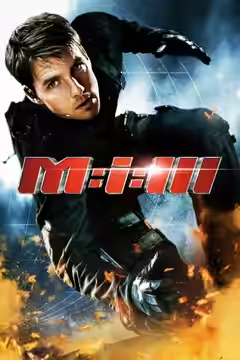
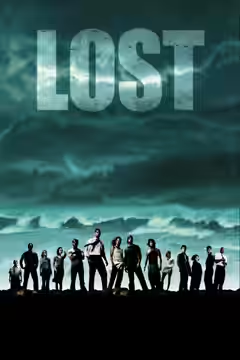
The move from co-creating television series such as Lost (2004) to directing features began with Mission: Impossible III (2006). Established series suited his knack for making spectacle accessible, while Super 8 (2011), an original film, drew on 1980s Amblin-style adventures. His other familiar habit is to withhold information, keeping an audience curious about what comes next.
Star Trek remains our clearest reason to value his work with actors. Editors Maryann Brandon and Mary Jo Markey keep the action, jokes and introductions moving while Roberto Orci and Alex Kurtzman's screenplay gets the crew into place. The thin villain matters less than the company, but the overworked action is a real limitation. Abrams has assembled actors who can hold our attention in conversation; we wish he would let them do it more often.
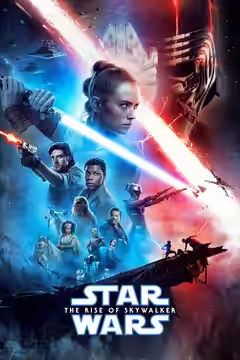
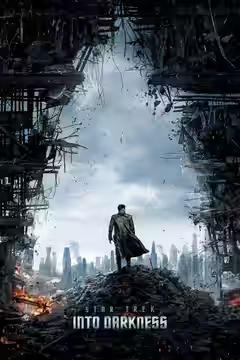
The caution is his fondness for making us wait for answers, and for returning to things we already recognise. Star Trek Into Darkness (2013) and Star Wars: The Rise of Skywalker (2019) show how nostalgia and unsatisfying mysteries can wear that welcome out. Start with Star Trek; no preparatory viewing is needed, though a tolerance for overworked action helps.
Biography
J.J. Abrams, also credited as Jeffrey Jacob Abrams, is an American film director, screenwriter and producer. He wrote the screenplay for Armageddon (1998) with Jonathan Hensleigh. Abrams graduated from Sarah Lawrence College and began his career writing screenplays for films including Regarding Henry (1991) and Forever Young (1992).
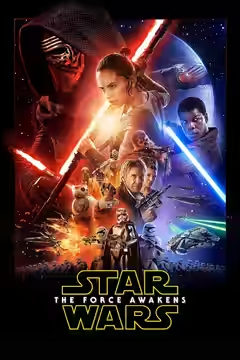
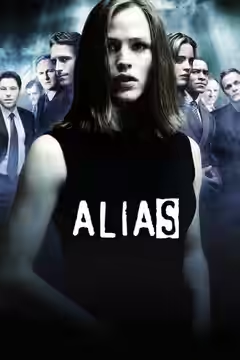
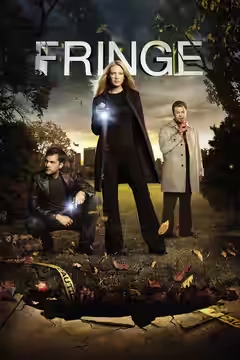
He co-created the television series Felicity (1998–2002), Alias (2001–2006), Lost (2004–2010) and Fringe (2008–2013). For Lost, he won Emmy Awards for Outstanding Directing for a Drama Series and Outstanding Drama Series. His directorial credits include Mission: Impossible III (2006), Star Trek (2009), Super 8 (2011), Star Trek Into Darkness (2013), Star Wars: The Force Awakens (2015) and Star Wars: The Rise of Skywalker (2019).