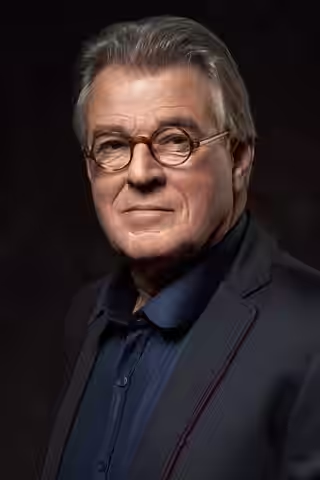
We value Jeroen Krabbé in parts that ask us to question a man's authority. His international supporting roles suit him, though King of the Hill is a reminder that the writing can be too willing to forgive.
Fi1m perspective
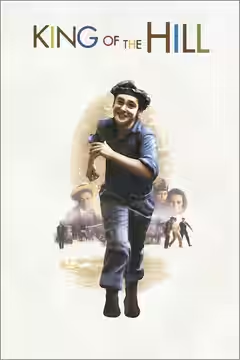
In King of the Hill (1993), Mr Kurlander sells watches nobody can afford, then finds a job that takes him out of town. His son Aaron remains in a residential hotel with a promise that someone will return, and no money. We were less forgiving of the father than the film was, because his good news leaves the child to manage alone. Krabbé's part is written too softly for the circumstances. It gives us a reason to question a familiar casting choice: he is often the man whose position is supposed to entitle him to trust.
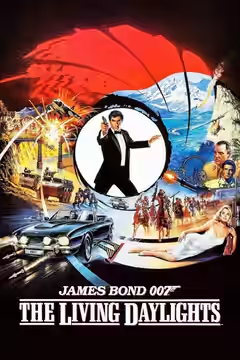
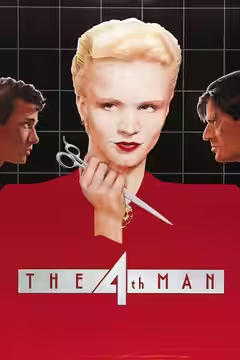
His earlier Dutch work puts that habit in perspective. Paul Verhoeven directed him in the leading roles of Soldier of Orange (1977) and The Fourth Man (1983), which established him at home and then brought wider attention. From the mid-1980s, international films increasingly employed him in supporting and villainous parts. General Georgi Koskov in The Living Daylights (1987) makes the shift plain. His ability with lighter character work matters, too; a succession of imposing job titles can give a misleading account of an actor.
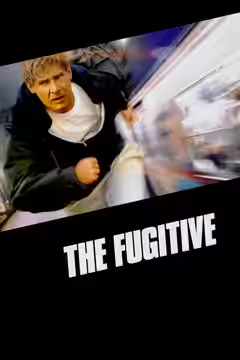
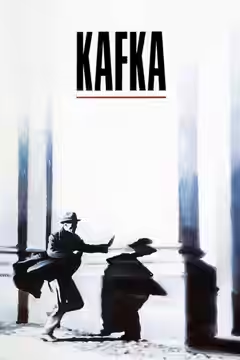
The Fugitive (1993), with Krabbé as Charles Nichols, is an unusually satisfying chase thriller under Andrew Davis's direction. We recommend it despite action that occasionally strains belief, but its absorbing pursuit tells us more about the film than about any one supporting performance. Steven Soderbergh's Kafka (1991), in which Krabbé plays Bizzlebek, offers a well-chosen cast and finely lit images without the dread its mystery needs. We would not recommend it merely for his presence.
Soderbergh gives us more to consider with Mr Kurlander, even if the writing lets him off too easily. We value Krabbé in a part where we can understand a man's difficulties and still object to what he does. We would welcome more of these imperfect fathers alongside the generals. Start with the otherwise richly rewarding King of the Hill, and reserve the right to be harder on its father than the film is.
Biography
Jeroen Aart Krabbé (born 5 December 1944) is a Dutch actor, film director and painter. He trained at the Toneel School in Amsterdam, graduating in 1965, and began his career in Dutch theatre and film before gaining international recognition.
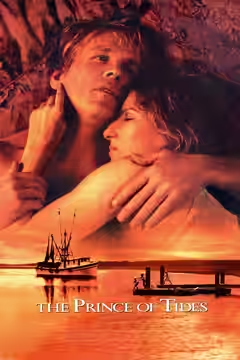
He is known for leading roles in Paul Verhoeven’s Soldier of Orange (1977) and The Fourth Man (1983), and for villainous parts in English-language films including General Georgi Koskov in The Living Daylights (1987), Dr Charles Nichols in The Fugitive (1993) and roles in The Prince of Tides (1991) and Immortal Beloved (1994). His anchoring credits include Mr Kurlander in King of the Hill (1993) and Bizzlebek in Kafka (1991).
Krabbé made his directorial debut with Left Luggage (1998), which was nominated for the Golden Bear at the Berlin International Film Festival. He comes from an artistic family; his father and grandfather were painters.