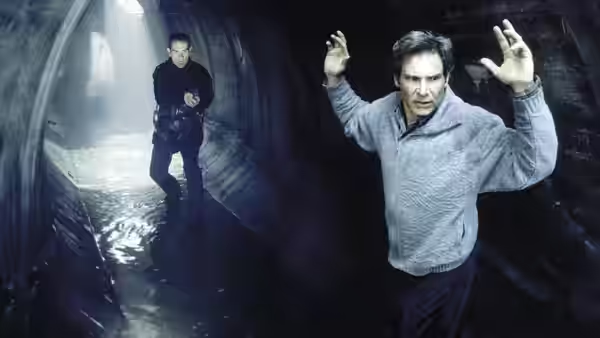
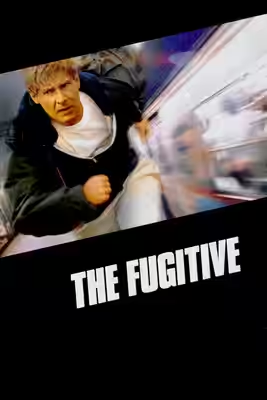
Andrew Davis makes an unusually satisfying chase thriller, with Harrison Ford supplying the worry and Tommy Lee Jones the dry humour. Some of the action strains belief, but the pursuit remains absorbing.
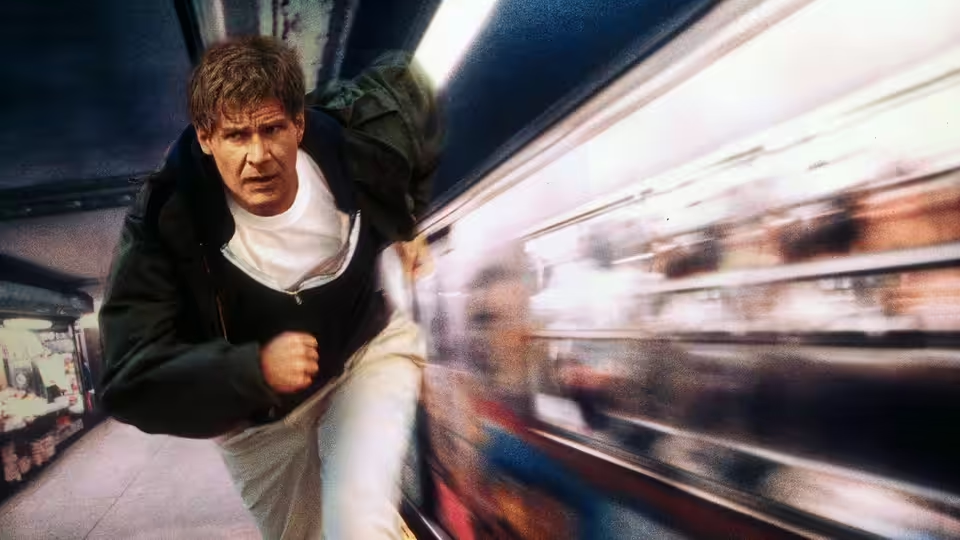
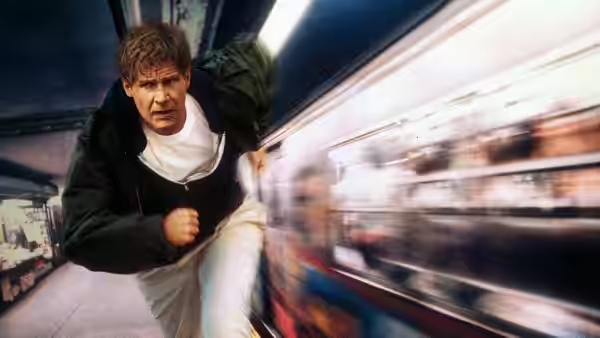
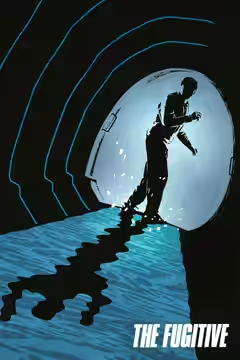
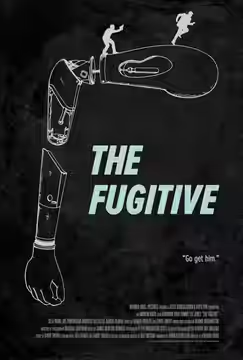
The Fugitive takes a familiar thriller problem seriously: how does a man keep thinking when he has to keep running? Andrew Davis gives the pursuit pace without making either of its central figures seem foolish, and the result is a thoroughly satisfying evening’s suspense. Harrison Ford’s Richard Kimble, a surgeon wrongly convicted of his wife’s murder, has a reason to run that needs no embellishment. Tommy Lee Jones’s Samuel Gerard has a job to do, and the film understands how interesting it can be to watch someone do it well.
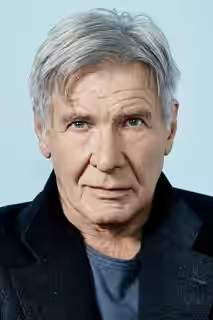
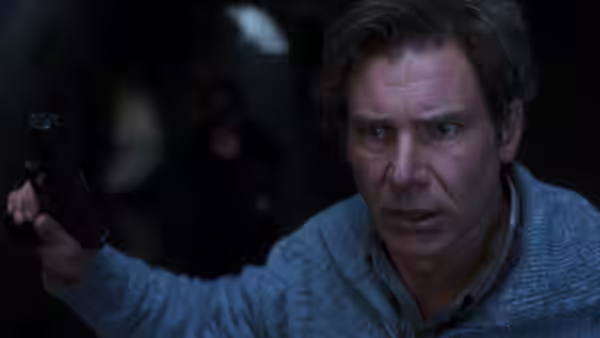
Ford is particularly good at making thought look like effort. Kimble never seems to have stepped outside his predicament to admire his own ingenuity, and the physical strain stops his intelligence from becoming a convenient scriptwriter’s gift. The grief matters, too: Ford gives the chase a subdued unhappiness that survives all the running. We keep wanting him to have a moment to recover, even though stopping is scarcely an option.
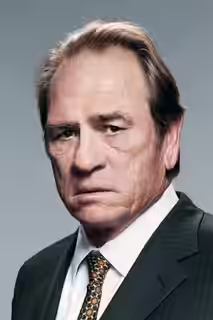
Jones gives Gerard the briskness of a man who regards drama as something other people bring to work. His humour comes from impatience and exactness, and Davis lets it relieve the tension without making the danger look silly. Gerard’s confidence also gives Ford something useful to resist: being pursued by this man makes staying free seem an achievement. There is enough personality in Jones’s delivery to keep the procedural business lively without requiring the film to stop for a joke.
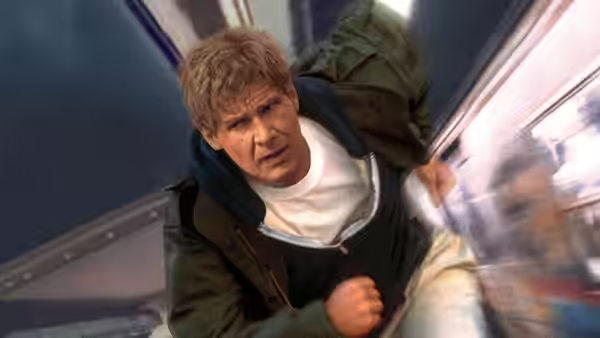
We flinched at the train crash. Michael Chapman’s cinematography makes the machinery feel heavy and the human body exposed, so the spectacle produces alarm before admiration. J. Dennis Washington’s production design keeps the surroundings solid and functional, which helps this extravagant action belong to the same film as the quieter business of pursuit. The sequence works because Kimble remains the person we are looking for amid the destruction.
Dennis Virkler, Dov Hoenig, Dean Goodhill, David Finfer, Don Brochu and Richard Nord share the editing credit. The cutting sustains the pressure without treating every pause as a mistake, allowing a look or a clipped exchange to register before moving on. James Newton Howard’s score reinforces the urgency, but occasionally insists on an excitement the actors and images have already supplied. That is a small irritation in a film whose pace is otherwise so well judged.
David Twohy and Jeb Stuart’s screenplay gives both men enough intelligence to make their contest worth following. It is less persuasive when Kimble’s continued escape depends on surviving action that grows harder to credit. We can accept an exceptional escape, but Davis keeps asking for indulgence after the characters have done enough to secure our interest. A little less spectacle would have made the pursuit more credible.
For a chase thriller, this has an unusually convincing respect for competence: we can enjoy Gerard’s work without wanting Kimble caught. Its treatment of wrongful conviction is too brisk to bear much scrutiny, but the immediate injustice is enough to make us care. At 131 minutes, Davis allows the contest room to develop without letting it settle down. Give it an evening when everyone agrees to leave their questions about survival until afterwards.