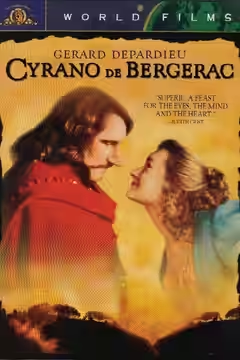
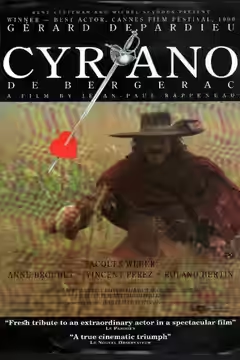
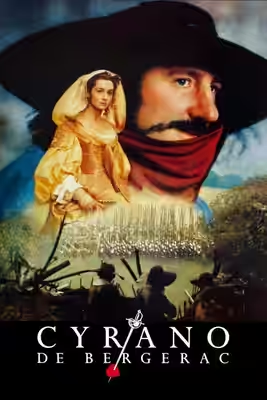
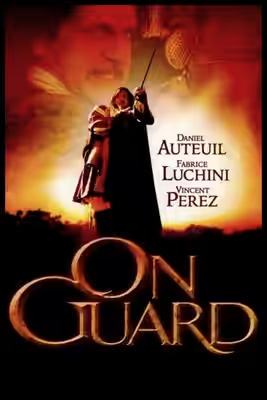
Gérard Depardieu makes this grand, verse-speaking romance funny and painfully vulnerable. Jean-Paul Rappeneau keeps it moving, though the emotional insistence occasionally grows tiring; we recommend it for the performance and the unembarrassed belief in love.
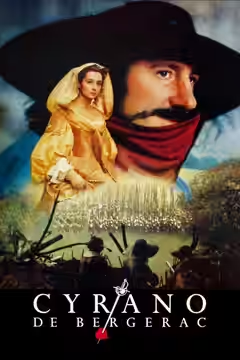
Jean-Paul Rappeneau takes the romantic predicament of Cyrano de Bergerac seriously, and gives us good reason to do the same. The verse stays, the scale expands, and Gérard Depardieu supplies enough wounded pride to prevent the finery from taking over. We warmly recommend this vigorous, often funny romance, with a central performance that makes its extravagance feel necessary. It occasionally presses an emotion we have already understood, but it never seems embarrassed to ask us to care.
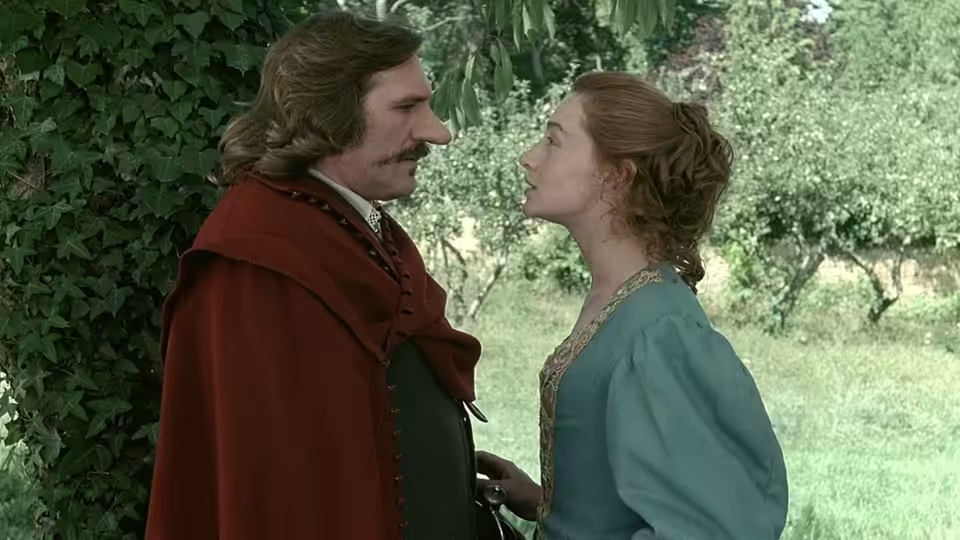
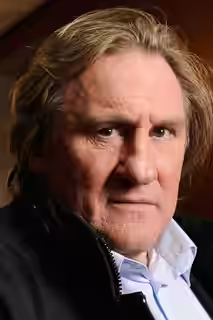
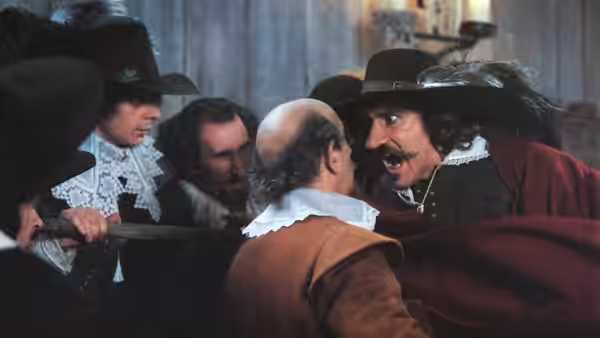
Depardieu understands how exhausting Cyrano could be in less patient hands. The verbal swagger is entertaining, but we also see the effort involved in maintaining it. His large nose matters because he treats it as a reason to rule himself out before anyone else can decide. We were moved by the embarrassment he allows beneath the bravado when this eloquent poet cannot be open about his own feelings. He makes the self-inflicted misery credible without asking us to think it sensible.
The screenplay by Jean-Claude Carrière and Rappeneau preserves the verse, and its delivery rarely has that polished, waiting-for-applause sound that can make filmed theatre so wearing. Words arrive as attempts to persuade, provoke or conceal. Noëlle Boisson’s editing gives the performances enough room for their rhythms to register, while keeping the bustle from becoming a series of interruptions. The movement and the speech belong together, so the film’s energy does not depend on getting away from the dialogue.
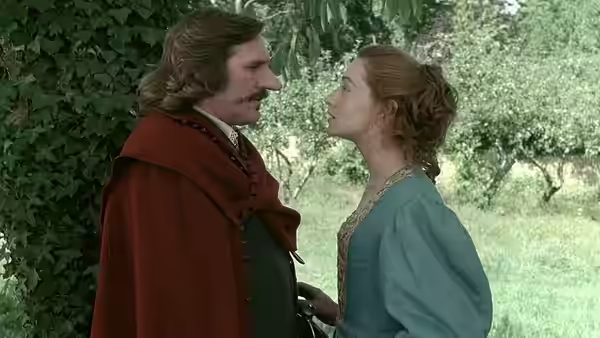
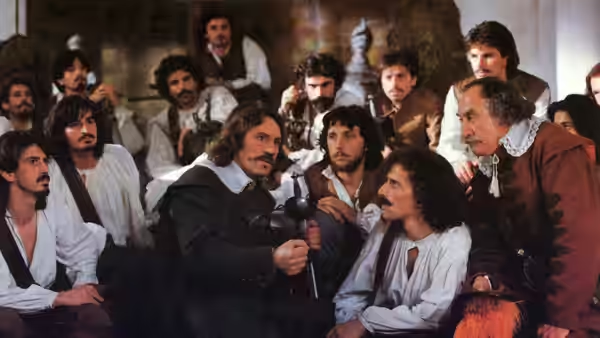
Pierre Lhomme’s rich colour photography gives the period setting warmth without making the finery difficult to look past. The production design by Ezio Frigerio and Jacques Rouxel gives seventeenth-century France enough scale to accommodate all this public performance. Franca Squarciapino’s costumes contribute to the pleasure without reducing the people to well-dressed exhibits. The clothes and surroundings suit a man who expects to attract attention wherever he goes. We are less persuaded by Jean-Claude Petit’s score, which sometimes feels too insistent beside acting that needs little help.
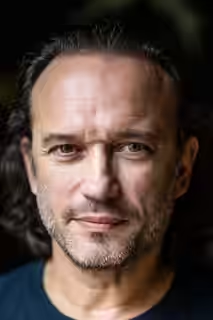
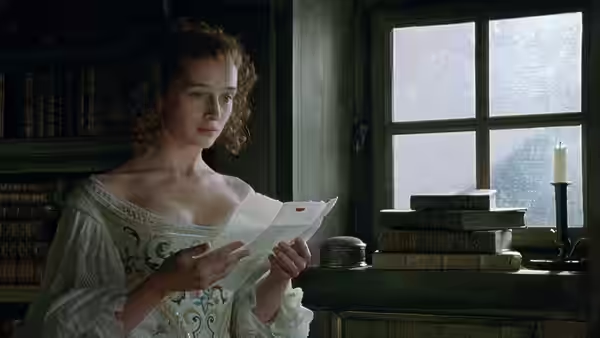
Anne Brochet gives Roxane enough composure to stand opposite Depardieu without competing for volume. Vincent Perez’s Christian is a more limited pleasure: the performance is clear, but the character is much less interesting than the man helping him. That imbalance belongs partly to the premise, yet the film does not entirely overcome it. Perez has the difficult job of holding our interest while Depardieu is given so much more to express.
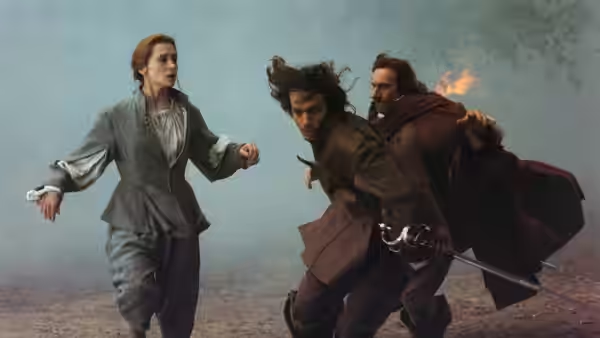
As a swashbuckling romance, the film offers the expected pleasure of a hero who can command attention, then makes his private timidity matter just as much. Cyrano is bold on another man’s behalf and painfully hesitant on his own, and Rappeneau trusts that difficulty to sustain a large, busy film. There is no need to turn the verse into everyday chat to make his fear recognisable. At 137 minutes, the film does ask us to spend longer with some feelings than they need, particularly when Depardieu has already conveyed them in his face.
That reservation should not deter anyone with an appetite for heightened speech and a romance played without a protective smirk. Depardieu makes the wit enjoyable and the shame uncomfortable, and Rappeneau gives him ample room to be difficult as well as lovable. Allow the film its grand manner; the small admissions of fear are worth listening for.