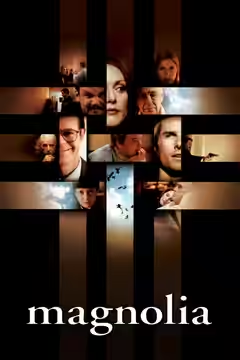
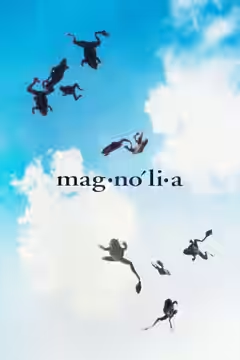
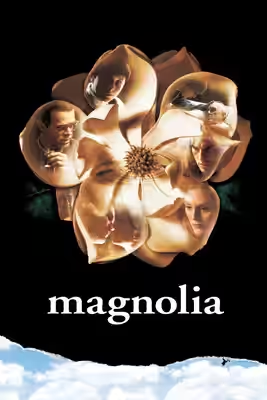
Paul Thomas Anderson’s sprawling drama is moving, superbly acted and occasionally exhausting. We recommend it for the people it makes us care about, with a warning that 189 minutes of distress can leave little room to breathe.
Magnolia is worth its 189 minutes, though we would not pretend they pass lightly. Paul Thomas Anderson writes and directs an ensemble drama about people across Los Angeles struggling with loss, regret and one another. The scale is part of the pleasure: someone who initially seems peripheral can become the person we most need to hear from. Anderson gives this cast time to make that change in our attention feel earned.
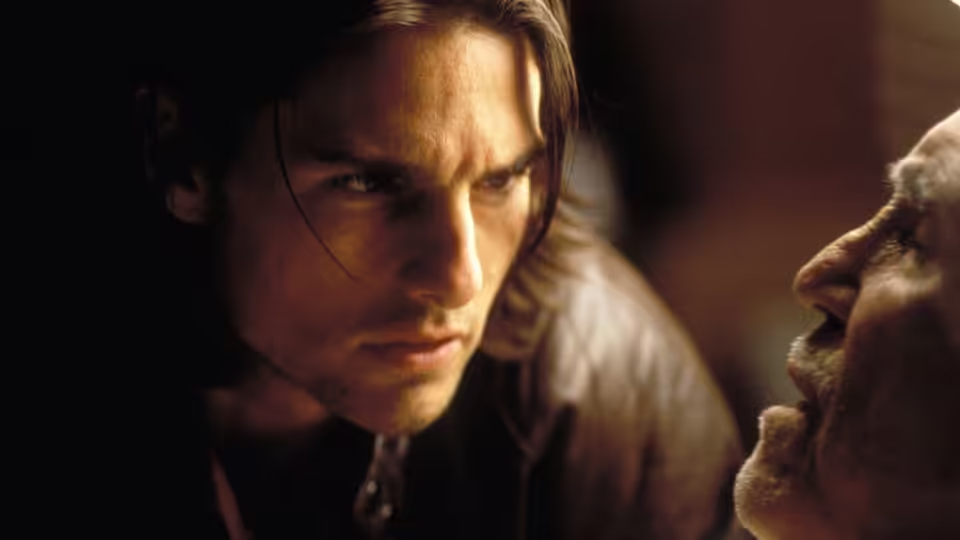
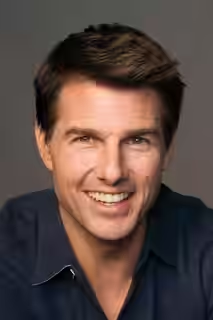
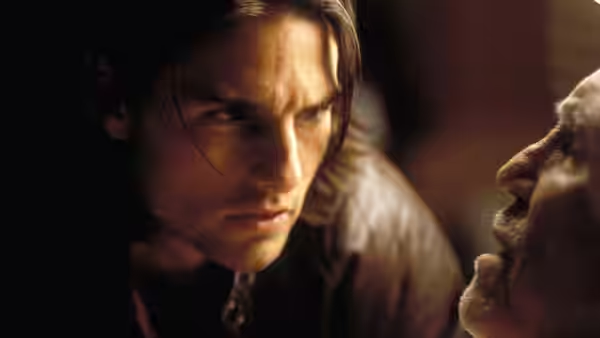
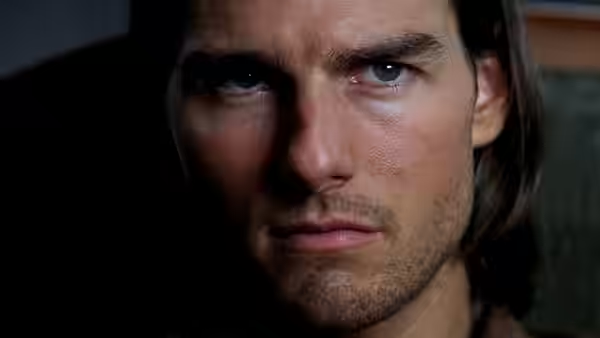
Tom Cruise’s Frank T.J. Mackey, a motivational speaker peddling contempt for women, is the most immediately gripping presence. Cruise gives his pronouncements the assurance of a man who expects applause, and that assurance makes him dangerous. We were repelled by the seminar, particularly by how entertaining Cruise makes the contempt. Anderson gives him enough space to be objectionable without reducing him to a convenient villain. Cruise deserves the attention, although the film has other performances worth watching just as closely.
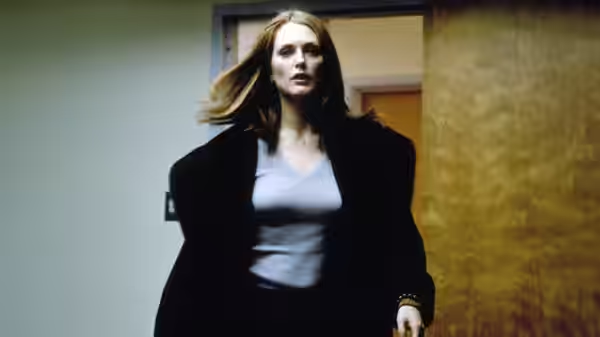
John C. Reilly’s Officer Jim Kurring and Melora Walters’s Claudia Wilson Gator give us people whose uncertainty is easier to recognise than Mackey’s swagger. Reilly is particularly valuable in a film so full of actors being asked to express pain at full volume; his presence gives us a chance to listen without bracing ourselves. Walters makes Claudia’s distress difficult to dismiss as another helping of misery. We care about these people, which is why the repeated crises can become tiring.
Robert Elswit’s fluid camerawork helps us follow the large cast without making every arrival feel like another introduction. It also gives long passages an urgency that survives the switches between stories. Editor Dylan Tichenor keeps those stories pressing on our attention, and his cutting makes a substantial contribution to the film’s grip. The problem comes when distress follows distress: a change of character cannot always make another breakdown feel different.
Jon Brion’s music reinforces the pressure, sometimes more than the acting needs. We wanted a little less help feeling the weight of these encounters; the cast is already doing enough. The production design by Mark Bridges and William Arnold is less demanding of our attention, and usefully so. Their settings let us concentrate on the people rather than search the rooms for explanations of them, a welcome restraint in such an insistent film.
Anderson’s writing is less disciplined than his staging. He can make several characters voice their unhappiness so insistently that we start noticing the repetition before we notice what distinguishes them. Ensemble dramas ask us to keep a great deal in mind, and Magnolia occasionally behaves as though letting a feeling subside would mean losing us altogether. Anderson could afford to leave more of the work to his actors, particularly when their expressions already tell us enough.
We recommend watching it in one sitting, with enough patience to let the less immediately arresting people become important. There is plenty here to reward that patience, especially for anyone who enjoys following a large cast through separate stories. Just choose an evening when there is room for somebody else’s unhappiness.