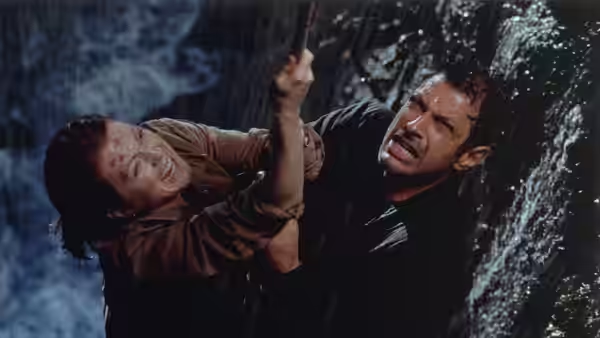
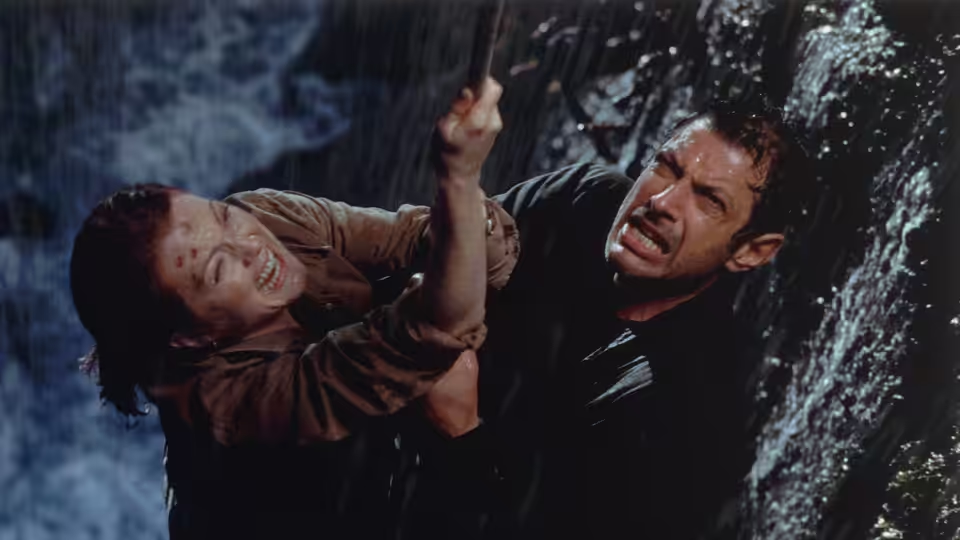
A woman and a man gripping tight in heavy rain on rocks
Film review

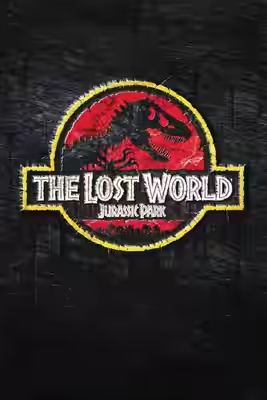
The Lost World: Jurassic Park

1997 · Directed by Steven Spielberg · 2h 09m · MPA PG-13

In a sentenceTwo tyrannosaurs push a caravan off a cliff, and nothing afterwards quite matches it

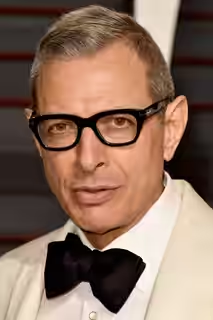
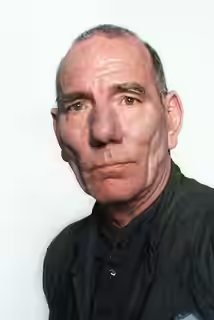
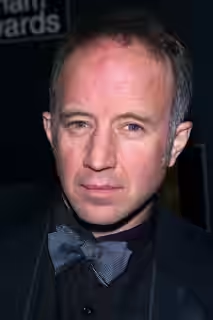
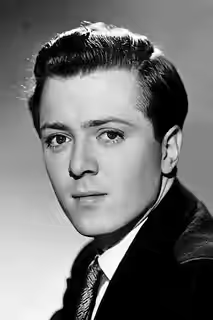
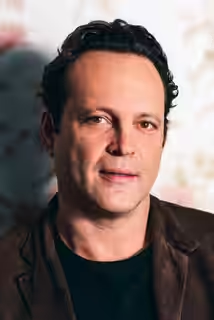
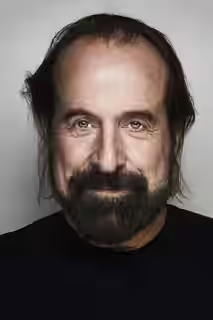
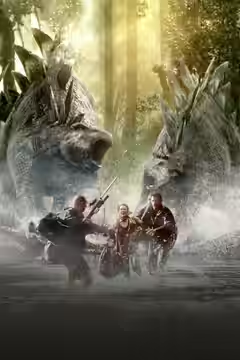
A British family’s yacht puts in at a second island where InGen bred its dinosaurs and then abandoned them, and a small girl wandering the beach is set upon by a pack of compsognathus, animals no bigger than chickens. John Hammond (Richard Attenborough), pushed out of his own company by Peter Ludlow (Arliss Howard), asks Ian Malcolm (Jeff Goldblum) to lead a team recording the animals before Ludlow’s people arrive to take them. Malcolm refuses, then agrees, because his partner, the palaeontologist Sarah Harding (Julianne Moore), is already on the island alone. He flies out with the photographer Nick Van Owen (Vince Vaughn) and the engineer Eddie Carr (Richard Schiff), not knowing his daughter Kelly (Vanessa Lee Chester) has stowed away, while the hunter Roland Tembo (Pete Postlethwaite) brings Ludlow’s expedition ashore.

Plays from YouTube when you press play; nothing loads from them until then.

Fi1m review

Spielberg’s sequel has better dinosaurs, a meaner streak and one sequence, in a trailer on a cliff, as good as anything he has made. It also has a script that treats its people as bait and a last half hour that goes somewhere silly.

Steven Spielberg goes back to Michael Crichton’s dinosaurs four years after Jurassic Park (1993), and this time he has left the wonder at home. John Hammond (Richard Attenborough) has lost his company to Peter Ludlow (Arliss Howard), and wants a record of the animals on the second island before Ludlow’s men crate them up. Ian Malcolm (Jeff Goldblum) goes because Sarah Harding (Julianne Moore) is already there. That is David Koepp’s setup, and it is a good one. What follows is a monster film with better monsters than its predecessor and much less idea of what to do with them, and we came out admiring the animals and shrugging at the people.

The opening sets the tone. A little girl wanders off from a picnic on the beach and finds a small dinosaur, about the size of a chicken, and then its friends, and then the film cuts to her mother’s scream. Spielberg did something like it on a beach in Jaws (1975), with the same relish. It is a nastier film than the first one. The PG is earned by cutting away, not holding back.

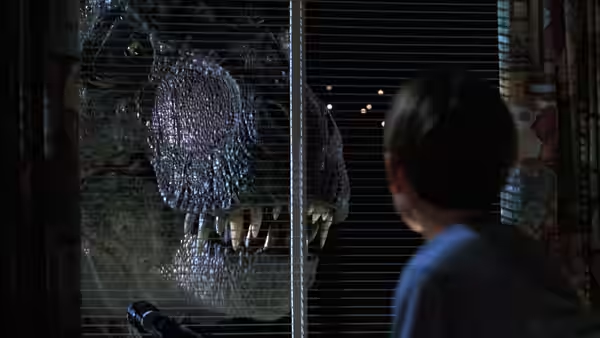
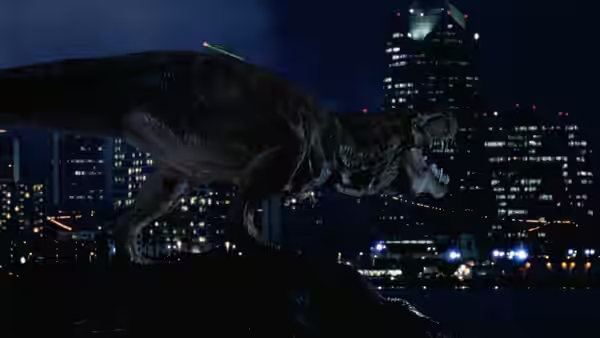
The middle hour is where the money went. Janusz Kamiński shoots nearly all of it at night and in rain, the jungle lit by headlamps and lightning, so the animals arrive out of black. Rick Carter’s research vehicle, two trailers joined by a concertina passage, is the film’s best prop, and Spielberg spends a quarter of an hour taking it apart. Two tyrannosaurs shove it towards the edge of a cliff, and Moore ends up lying on a pane of glass above the drop, watching it crack beneath her. We gripped the armrest and did not let go. Michael Kahn gives every fracture in the glass its own shot, and the sound of it is worse than anything the dinosaurs do.

Goldblum, promoted to lead, does the whole thing in a sardonic mutter, and does it well. Pete Postlethwaite is the best thing here: a hunter who has come for one animal and cares nothing for the money, played with a stillness the others lack. Vince Vaughn’s Nick Van Owen is a saboteur written as a hero, and the film never notices that nearly every disaster follows from something he did. Vanessa Lee Chester’s Kelly is on the island because the script needs a child there.

Koepp’s screenplay is a chain of reasons for people to be in the wrong place, thinning as it goes. The sequence in the long grass, where a line of hunters is taken from below one at a time, is beautifully staged and means little, because we have not met most of the men being eaten. The film’s case for leaving the animals alone is made by Hammond in a speech and never shown. John Williams writes a darker, more percussive score than before, drums and low brass, and uses the old theme sparingly. It never stops in daylight to simply look at the animals, and we missed that.

The last half hour takes the film somewhere we will not describe. It is bold and silly, and we watched it with weary disbelief: not frightened, not thrilled, just aware that an expensive machine had run out of road and kept driving.

Against Spielberg’s own record this is a professional’s sequel, the work of a man who could do this in his sleep and, for stretches, did. See it for the trailer, for Postlethwaite, and for the little dinosaurs on the beach. Watch it at home, where the night scenes are easier to read and the ending can be switched off. It runs 129 minutes and reached UK cinemas on 18 July 1997.
Critical consensus AI synthesised

63
Positive
8
Mixed
3
Negative
3

Most critics come down in favour, though not by much, and the praise is nearly all for the dinosaurs. The effects are called an improvement on the original, the set pieces tense and precisely built, and Spielberg’s direction more relaxed and self-aware than before. Goldblum’s performance and John Williams’s score get their mentions. Several later writers make a case for the film’s mean streak, arguing that its cruelty is the point and that this is the closest Spielberg has come to a horror film.

The reservations cluster on the script: a thin rescue-mission plot, weak human characters and an ending that stretches belief. The 1997 notices are the coolest, with RogerEbert.com, Time Out and Total Film all finding the wonder of the first film gone and formula in its place. The reappraisals, from Vulture to Collider, are markedly warmer. The spread is wide, running from outright dismissal to something close to a rave.

Vulture
7 August 2020 · Bilge Ebiri
85*

The critic celebrates the film as Spielberg’s nastiest, a demented horror-like sequence of action set pieces with technical skill and cruelty, highlighting its mean streak and parental themes amid the carnage.

Read the full review →
The New Yorker
26 May 1997 · Terrence Rafferty
80*

Spielberg brings visual wit and relaxed, self-aware showmanship missing from the first film, turning the creature-feature into playful entertainment that amuses even as it manipulates.

Read the full review →
The AV Club
9 May 2014 · Mike D'Angelo
75*

The critic finds it a lot of fun as a straightforward monster movie with improved effects, strong Goldblum performance, and precise set pieces, free of the original's pretensions.

Read the full review →
The New York Times
23 May 1997 · Stephen Holden
75*

The sequel is a fast-paced adventure film that excels at spectacle and lifelike dinosaurs, especially the smaller compsognathus, though messages are less neatly packaged than in the original.

Read the full review →
Little White Lies
27 May 2017 · Josh Slater-Williams
65*

The piece highlights how a particularly brutal T-Rex attack scene in the film shocked the writer as a child and changed their view of cinema's capacity for cruelty. It positions the movie as a cynical, macabre follow-up to the original that abandons wonder for darker tones, though it stops short of calling it a classic.

Read the full review →
Variety
25 May 1997 · Leonard Klady
65*

Dinosaur effects are improved and credible, delivering visceral thrills, but the schematic script and thin plot make it a standard chase film that relies on manipulation over substance.

Read the full review →

Straight answers AI written, from our review

Is The Lost World: Jurassic Park worth watching?
The Lost World: Jurassic Park is worth watching for the middle hour, when two tyrannosaurs push a trailer towards a cliff edge, and we scored it 64. The dinosaurs are better than in the first film, but the script treats its people as bait and the last half hour goes somewhere silly. See it for the animals and for Pete Postlethwaite's hunter, not for anyone else on screen.
How long is The Lost World: Jurassic Park, and what is it rated?
The Lost World: Jurassic Park runs 2h 09m and is rated PG-13 by the MPA in the US. It is an adventure and action film.
Where can I watch The Lost World: Jurassic Park in the US?
The Lost World: Jurassic Park is streaming on AMC+, Hulu, Amazon Prime Video, Disney+, Apple TV and The Roku Channel in the US, and it is also available to rent from Apple TV from $3.99. It leaves Hulu on 1 October. Availability is checked daily; the links above go straight to each service.
How does The Lost World: Jurassic Park compare to Jurassic Park?
The Lost World: Jurassic Park has better dinosaurs than Jurassic Park and far less wonder, and the earlier film is the better of the two. The sequel is nastier, shot mostly at night and in rain, and never stops in daylight to look at the animals, which the first film did constantly. Choose the original for suspense with people you care about; choose the sequel for one cliff sequence.
Is The Lost World: Jurassic Park based on a true story or a book?
The Lost World: Jurassic Park is based on Michael Crichton's novel of the same name, and it is not a true story. David Koepp's screenplay takes the setup of a second island where InGen bred and abandoned its dinosaurs, and our review does not go into how closely it follows the book beyond that. Knowing the novel is not needed to follow the film.
Do you need to have seen the other Jurassic Park films before The Lost World: Jurassic Park?
The Lost World: Jurassic Park is the second film in the Jurassic Park series, and it follows on directly from the first, with John Hammond and Ian Malcolm returning. It stands alone well enough as a monster film, since the plot is simple and the setup is explained early. Even so, the first film is the better starting point, and it is also the better film.
What should I watch after The Lost World: Jurassic Park?
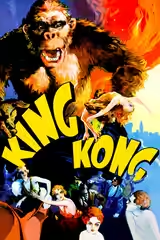
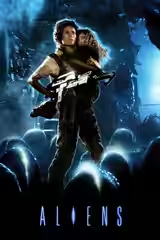
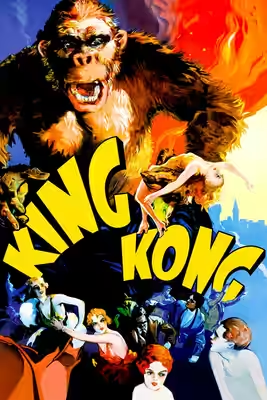
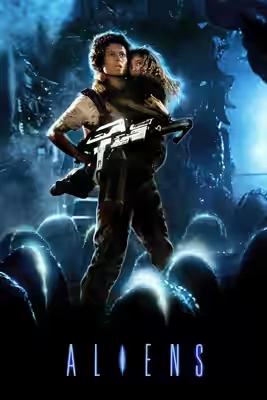
After The Lost World: Jurassic Park, try Jurassic Park (1993, Fi1m 91): The original: one idea, that the animals are real, and everything built on it. Then King Kong (1933, Fi1m 88): The lost island, the hunters, the crated beast; Spielberg was plainly taking notes; and Aliens (1986, Fi1m 91): The other sequel that swapped wonder for firepower and got away with it.
What order should I watch the Jurassic Park films in?
Release order is the safe choice for Jurassic Park, and it is the order our collection page lists them in. The Lost World: Jurassic Park is number 2 of the 7 Jurassic Park titles on Fi1m; before it comes Jurassic Park and after it Jurassic Park III. The full order.

Part of · 2 of 7

Jurassic Park

7 films on Fi1m · 1993–2025 · average 62 · best Jurassic Park 91

All 7 in order

Cast

Awards

Academy Awards, 1998

Nominated
Best Visual Effects

If you liked this, try…

  1. Jurassic Park (1993, Fi1m 91)The original: one idea, that the animals are real, and everything built on it.

  2. King Kong (1933, Fi1m 88)The lost island, the hunters, the crated beast; Spielberg was plainly taking notes.

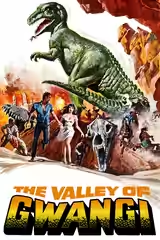
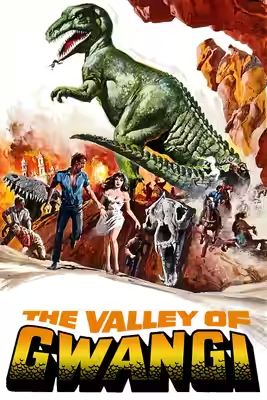
  3. The Valley of Gwangi (1969) · not reviewed yetCowboys rope a Harryhausen allosaurus; daft, sincere and rather lovely.

  4. Aliens (1986, Fi1m 91)The other sequel that swapped wonder for firepower and got away with it.

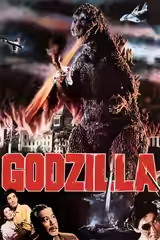
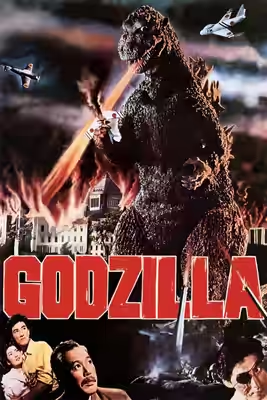
  5. Godzilla (1954, Fi1m 88)A monster film that means every word of its warning, and shows it.

Free account

Know what to watch tonight

Two lists that know where things are streaming, collections you can share, your own score beside ours, and Discover that remembers what you have seen.

  • Want to see, sorted by what is streaming now
  • Seen, with your score out of ten
  • No adverts, ever