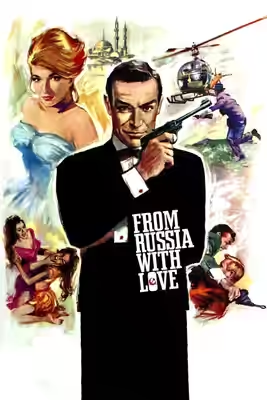
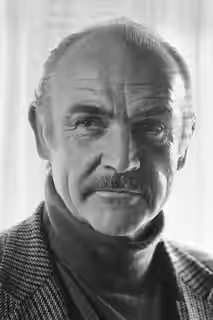
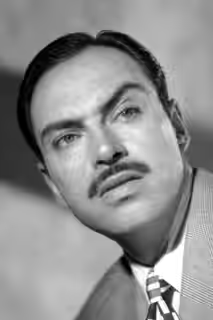
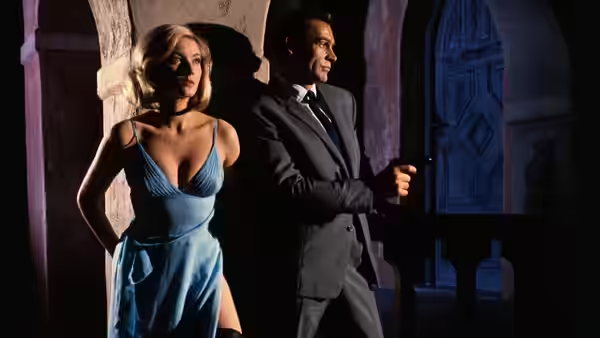
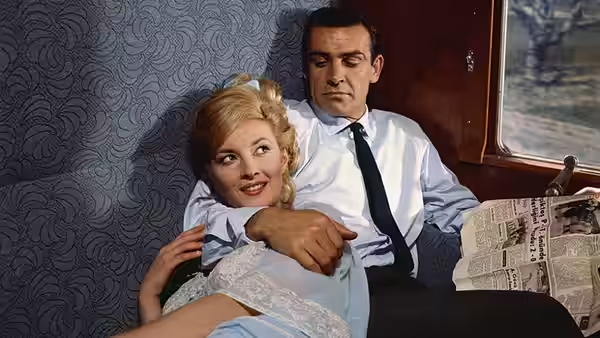
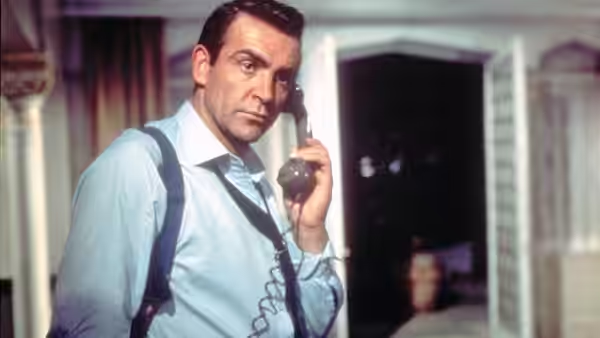
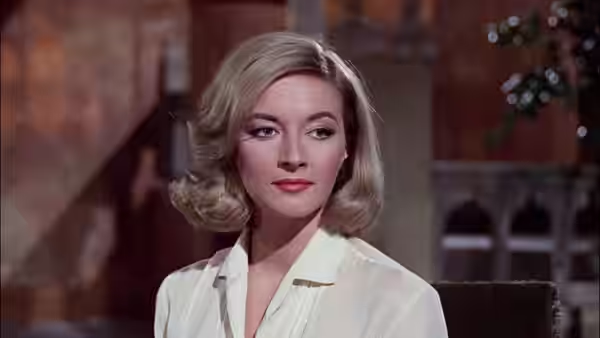
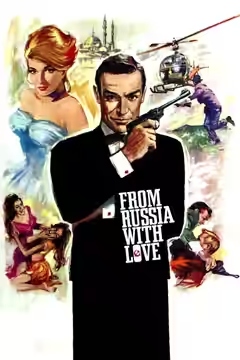
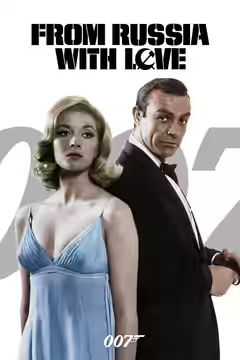
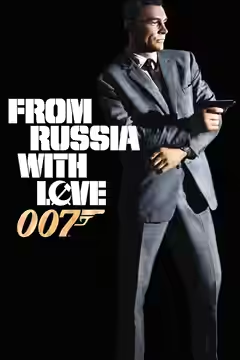
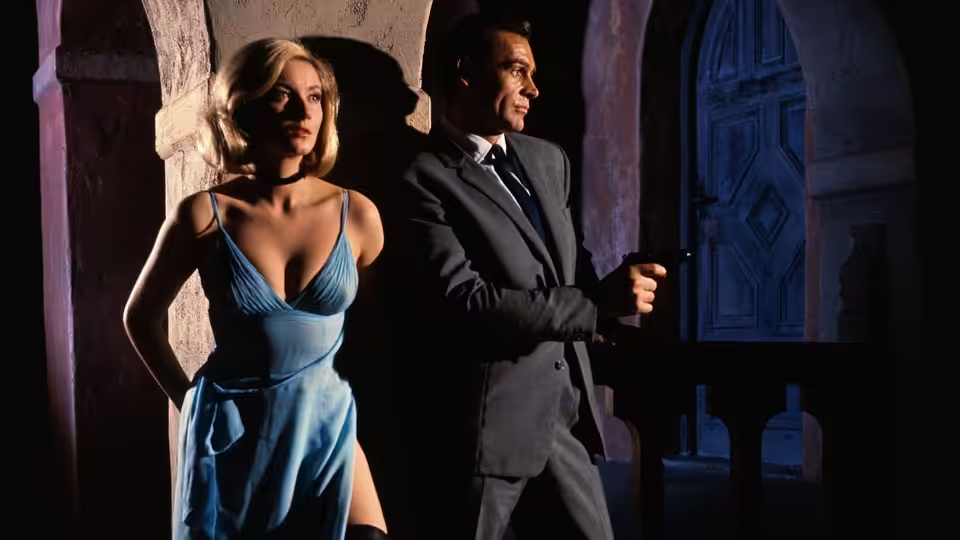
James Bond (Sean Connery) holding a gun beside Tatiana Romanova (Daniela Bianchi) in an archway
Film review

From Russia with Love

1963 · Directed by Terence Young · 1h 55m · MPA PG

In a sentenceA blond man with a wire in his watch, a train across Europe, and for once a villain who could actually kill him

Istanbul, 1963. SPECTRE, the international crime syndicate, wants a Soviet Lektor decoding machine and wants James Bond (Sean Connery) dead, and it means to get both in one operation. Rosa Klebb (Lotte Lenya), a Soviet colonel secretly working for SPECTRE, orders a cipher clerk at the Russian consulate, Tatiana Romanova (Daniela Bianchi), to tell the British she has fallen for Bond’s photograph and will defect with the machine if he collects her in person. M (Bernard Lee) suspects a trap and sends him anyway. In Istanbul, Bond is met by Ali Kerim Bey (Pedro Armendáriz), head of the British station, and shadowed by Red Grant (Robert Shaw), the blond killer the pre-credits sequence has already shown strangling a man in a garden at night.

Fi1m review

Terence Young’s second Bond film is the leanest the series has made: Istanbul in daylight, a train across Europe and Robert Shaw as a killer Bond cannot talk his way past. The women are short-changed and the last reel is padding; the rest holds.

The second Bond film reached British cinemas on 11 October 1963, and it is the one the series has been trying to get back to ever since. Terence Young directs again and Richard Maibaum adapts Ian Fleming’s novel. SPECTRE wants a Soviet decoding machine and wants Bond dead, and arranges both by dangling a cipher clerk in Istanbul who claims to have fallen for his photograph. There is no volcano and no laser; there is a city, a train and a man who could actually kill him. It is the best-made film of the Connery run, and we would send almost anyone to it.

Ted Moore shoots Istanbul as a working city rather than a postcard. The mosques are there, but so are ferries, back streets and a flooded cistern under the Soviet consulate where the British station keeps a periscope. Pedro Armendáriz plays Ali Kerim Bey, who runs that station, as a man who treats espionage as a family business, and his scenes with Sean Connery are the warmest the series has produced between two men. They drink, they compare notes on women in a way that has not aged well, and they seem to like each other. When the film leaves the city we missed it.

The other reason it works is Robert Shaw. Red Grant is introduced before the titles, stalking a man in a Bond mask through a garden at night and strangling him with a wire pulled from his wristwatch, and for the next hour he follows Bond across Istanbul without saying a word. Blond, blank, in a pale suit, he stands on a station platform and watches. We were more frightened of him than we remembered being. It is the silence that does it: Bond talks his way through every room, and here is a man with no use for talk. When Grant finally opens his mouth, it is worse.

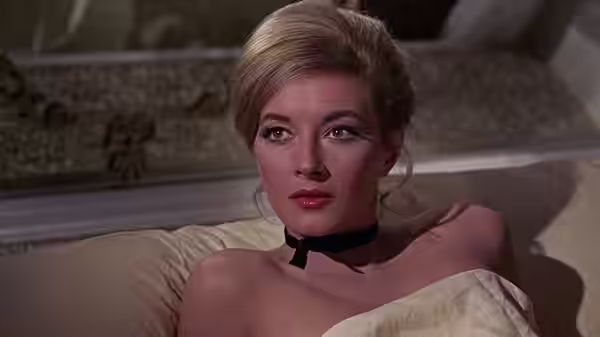
Lotte Lenya’s Rosa Klebb is a small woman in a uniform who inspects Daniela Bianchi’s Tatiana as if buying a horse, and Lenya plays her without a flicker of camp. Connery has stopped demonstrating that he is Bond and simply is. Tatiana is written as bait and stays bait, and the script’s idea of her inner life is that she likes Bond’s mouth. Jocelyn Rickards dresses her in a ribbon and not much else for her first scene, which tells you where Maibaum’s interest lay. Lois Maxwell and Bernard Lee do what they will go on doing for a decade.

John Barry’s first full score gives it a pulse the first film did not have, brass over a walking bass, and he holds Matt Monro’s title song back for the end credits. Peter R. Hunt cuts hard and short, and nowhere harder than in the compartment on the Orient Express where Bond and Grant finally meet. It is two men in a space the size of a wardrobe, and Hunt slices it so fine that you feel every blow without quite seeing one. It lasts perhaps two minutes and has been copied for sixty years.

The flaws are real. After the train, Maibaum has a reel to fill and fills it with chases, one in the air and one on the water, and the film’s grip loosens with each. The plan requires Bond to do exactly what he does at every turn, and the chess champion who devises it is presented as a genius and is nothing of the kind. A fight between two women at a Romany camp is staged for Bond to watch, and we found ourselves looking at our shoes.

Against the series’ own standards it sits at the top with Goldfinger and Casino Royale, and it is leaner than either: 115 minutes, most of them in daylight, and one explosion of note. Most critics agree with us. Time Out found it less memorable than the louder entries that followed; we think the noise is what it is better off without. Watch it in the evening with the curtains drawn, and watch Shaw whenever he is in frame. He is doing more than anyone else while appearing to do nothing at all.
Critical consensus AI synthesised

81
Positive
11
Mixed
1
Negative
0

The reviews lean firmly positive, with eleven of twelve favourable and several critics placing it near the top of the Bond series. The praise clusters around Connery, who most feel has settled comfortably into the part by this second outing, and around the supporting cast, with Robert Shaw and Lotte Lenya named again and again. The close-quarters fight on the Orient Express is the sequence nearly everyone singles out, alongside the Istanbul location shooting, Terence Young’s direction and John Barry’s score.
The reservations are mild and mostly date from the film’s first release. Variety calls the plot preposterous and notes the female roles are thinly served, while The New Yorker finds the direction often incoherent and enjoys it anyway. The Guardian judges it a shade less fresh than Dr No. Time Out is the lone mixed voice, finding it less memorable than later entries and short on their exotic flamboyance. The spread is narrow.

Radio Times
★★★★★ · Adrian Turner
100

The critic calls it one of the most popular and best Bond films, a terrific thriller with a marvellous atmosphere of foreign intrigue. They single out the superb location shooting in pre-touristy Istanbul and the memorable performances by Lotte Lenya and Robert Shaw.

Read the full review →
Empire
1 January 2000 · Kim Newman
90*

The second James Bond film remains one of the best in the series, with a clever plot involving SPECTRE's scheme against 007. It features memorable set-pieces like the train fight and helicopter attack, along with strong supporting performances.

Read the full review →
Evening Standard
10 April 2012 · Derek Malcolm
85*

From Russia with Love is the critic's favourite Bond film, excelling due to Connery's comfortable performance in the role and a strong, watchable cast including Robert Shaw and Lotte Lenya. The expert direction by Terence Young, John Barry's score and vivid sequences like the Orient Express fight make it stand out.

Read the full review →
RogerEbert.com
2 August 2013 · Gerardo Valero
85*

The critic calls it one of the best Bond films, with a complex but easy-to-follow plot, strong sense of menace, and standout fight scenes. He singles out the chemistry between Connery and Pedro Armendariz and the intense confrontation with Robert Shaw.

Read the full review →
The AV Club
14 November 2008 · Noel Murray
85*

The critic finds From Russia With Love super-awesome for its tight construction, clever opening, SPECTRE-focused stretch, and intense train-bound climax that echoes classic thrillers. The Blu-ray presentation enhances its Kennedy-era cool, mood, locations, and music cues.

Read the full review →
The Telegraph
10 October 2023
85*

The piece calls the film a taut, stylish espionage thriller that is slick, deeply sexy and one of Bond’s early masterpieces, singling out the gritty, influential close-quarters fight on the Orient Express for praise.

Read the full review →

Straight answers AI written, from our review

Is From Russia with Love worth watching?
From Russia with Love is worth watching for almost anyone, and we scored it 84. It is the leanest of the Connery films: Istanbul in daylight, a train across Europe and Robert Shaw as a killer Bond cannot talk his way past. The women are written as bait and the last reel is padding, but the rest holds.
How long is From Russia with Love, and what is it rated?
From Russia with Love runs 1h 55m and is rated PG by the MPA in the US. It is an action and thriller film.
Where can I watch From Russia with Love in the US?
From Russia with Love is not on any streaming or rental service in the US at the moment. It is available in 44 other countries; change your country at the top of the page to see where. Availability is checked daily.
How violent or frightening is From Russia with Love, and is it suitable for children?
From Russia with Love carries a PG certificate in the UK and is mild by the standards of later thrillers, with one strangling before the titles and a short, hard fight in a train compartment. Robert Shaw's silent killer is more frightening than the violence itself. Older children should be fine; the treatment of women dates it more than anything bloody does.
How does From Russia with Love compare to Dr. No?
From Russia with Love is the better film: tighter, warmer and more frightening than Dr. No, with a villain who poses a real threat. The first film is smaller and odder, its middle third dawdles, and it leans on Connery's introduction to carry it. Start with the earlier one for curiosity's sake, but this is the one to keep.
Is From Russia with Love based on a true story or a book?
From Russia with Love is adapted from Ian Fleming's novel of the same name, not from a true story, with Richard Maibaum writing the screenplay. The review does not measure how closely it follows the book, and knowing the source is no help; the film explains its own plot clearly enough for a newcomer.
Do you need to have seen the other James Bond films before From Russia with Love?
From Russia with Love stands entirely alone and is one of the best places in the whole James Bond series to begin. Nothing in it depends on having seen Dr. No, and the plot is laid out plainly in the first quarter hour. It is the film the later entries have spent decades trying to get back to.
What should I watch after From Russia with Love?
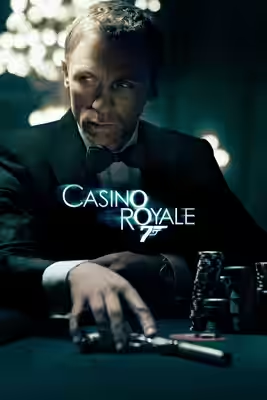
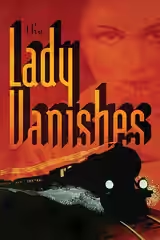
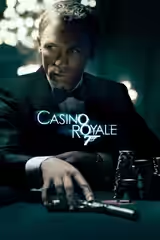
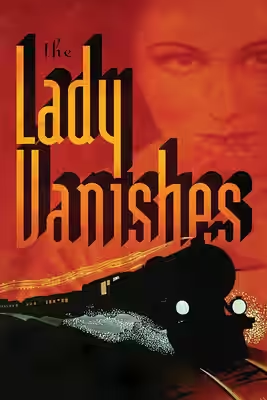
After From Russia with Love, try North by Northwest (1959, Fi1m 89): Hitchcock’s cross-country chase, with the lightness Bond borrowed and never quite returned. Then The Lady Vanishes (1938, Fi1m 88): A train, a disappearance and strangers who are not what they claim; the template; and Casino Royale (2006, Fi1m 86): The series finally remembered what this film knew: bruises hurt and villains should be frightening.
What order should I watch the James Bond films in?
Release order is the safe choice for James Bond, and it is the order our collection page lists them in. From Russia with Love is number 2 of the 27 James Bond titles on Fi1m; before it comes Dr. No and after it Goldfinger. The full order.

Part of · 2 of 27

James Bond

27 films on Fi1m · 1962–2021 · average 67 · best Casino Royale 86

All 27 in order

Cast

If you liked this, try…

  1. North by Northwest (1959, Fi1m 89)Hitchcock’s cross-country chase, with the lightness Bond borrowed and never quite returned.

  2. The Lady Vanishes (1938, Fi1m 88)A train, a disappearance and strangers who are not what they claim; the template.

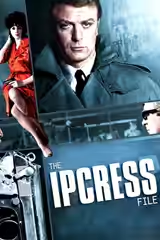
  3. The Ipcress File (1965) · not reviewed yetThe same producer’s answer to Bond: glasses, supermarkets and a spy who fills in forms.

  4. Topkapi (1964) · not reviewed yetIstanbul again, this time for a heist, with Peter Ustinov sweating through every scene.

  5. Casino Royale (2006, Fi1m 86)The series finally remembered what this film knew: bruises hurt and villains should be frightening.

Free account

Know what to watch tonight

Two lists that know where things are streaming, collections you can share, your own score beside ours, and Discover that remembers what you have seen.

  • Want to see, sorted by what is streaming now
  • Seen, with your score out of ten
  • No adverts, ever