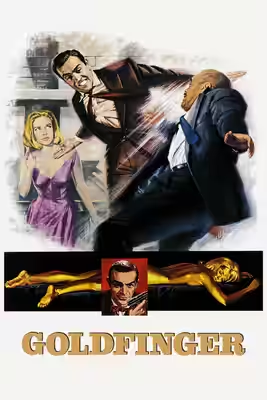
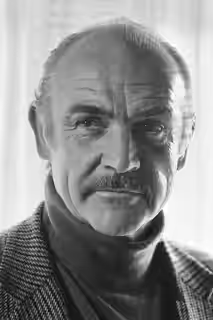
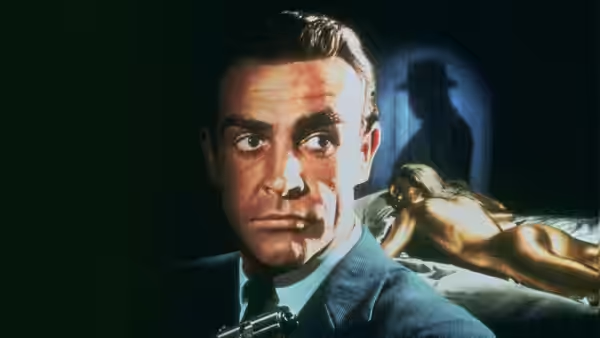
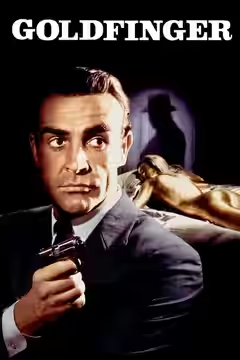
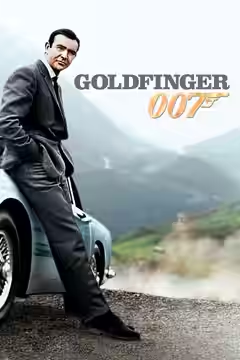
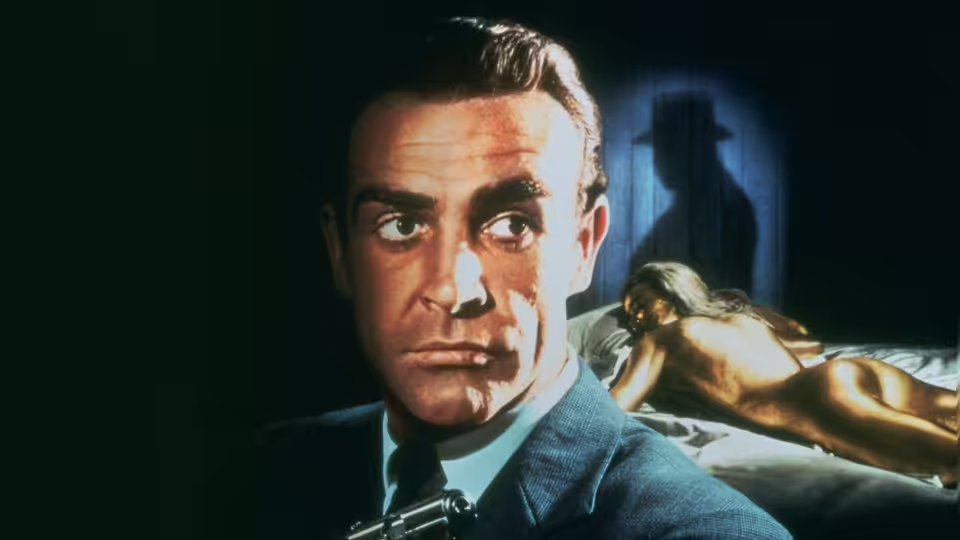
James Bond (Sean Connery) stares ahead with a gold-painted woman behind him
Film review

Goldfinger

1964 · Directed by Guy Hamilton · 1h 50m · MPA PG

In a sentenceThe villain cheats at cards and golf, and it is the cheating, not the gold, that Bond cannot forgive

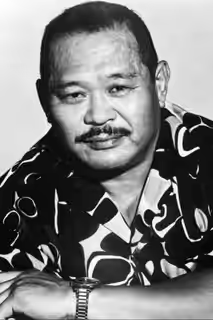
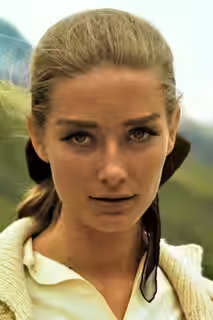
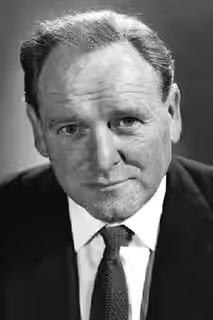
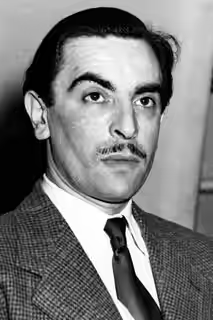
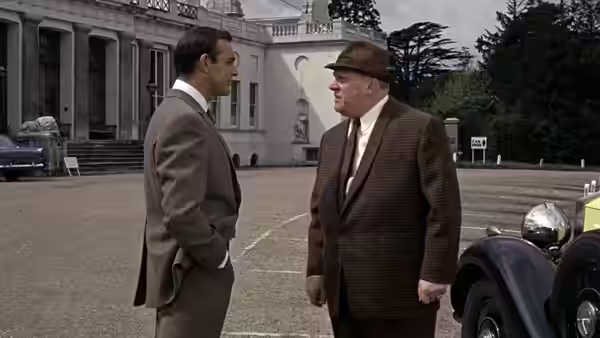
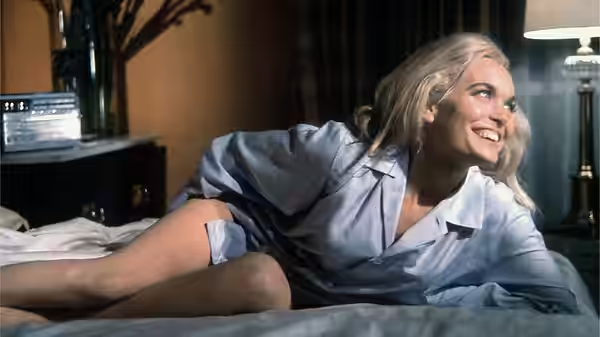
James Bond (Sean Connery) is on leave in Miami when Felix Leiter (Cec Linder) points him at Auric Goldfinger (Gert Fröbe), a bullion dealer beating Simmons (Austin Willis) at gin rummy. Goldfinger is cheating, helped by Jill Masterson (Shirley Eaton), who watches the cards through binoculars and talks into his earpiece. Bond breaks up the scheme, takes Jill to bed, and wakes to find her dead, painted head to foot in gold. M (Bernard Lee) gives him the job: Goldfinger is suspected of smuggling gold out of Britain. Bond goads him over eighteen holes of golf, meets Oddjob (Harold Sakata), and follows his Rolls-Royce across Europe in an Aston Martin, where Tilly Masterson (Tania Mallet) is also on the trail.

Fi1m review

The third Bond film is where the series found its shape: the car, the song, the sets, the villain who explains himself. It is confident, fast and often funny, and it treats its women worse than we can quite laugh off.

Sean Connery had played James Bond twice before Goldfinger, and Guy Hamilton, taking over as director, kept the man and threw away most of the anxiety. What remains is a comic thriller in which nothing is quite serious and every set piece is built to be talked about afterwards. That is the Bond formula as it has run for sixty years, and this is the film that set it. It is still, at 110 minutes, the most enjoyable of the early ones.

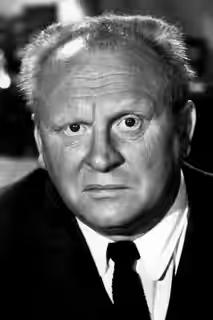
Gert Fröbe’s Goldfinger is the best thing in it. He is a large, soft, pink man who does not run, fight or raise his voice, and Paul Dehn and Richard Maibaum’s script gives him a single trait: he cannot bear to lose, so he cheats, at cards, at golf, and eventually at world finance. The golf match is a long scene about two men being polite to each other, and funnier than most of the film’s jokes. Harold Sakata’s Oddjob, with the bowler hat that takes the head off a statue, never speaks and is frightening from his first shot. He smiles when he hurts people, and the smile is worse than the hat.

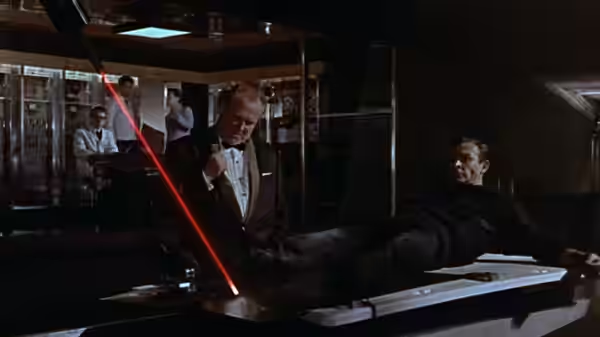
Ken Adam built the rooms these men live in, and the best of them is the laser room: a slab, a beam and a clock face of light on the ceiling, which Ted Moore lights so the beam is the only red thing in a white and grey space. Bond is strapped to the table, the beam starts between his ankles and creeps towards him, and John Barry’s brass climbs a step at a time behind it. We knew exactly how it would end and we still tensed, and what did it was Peter R. Hunt’s cutting, which holds on the beam a beat longer than is comfortable each time we return to it.

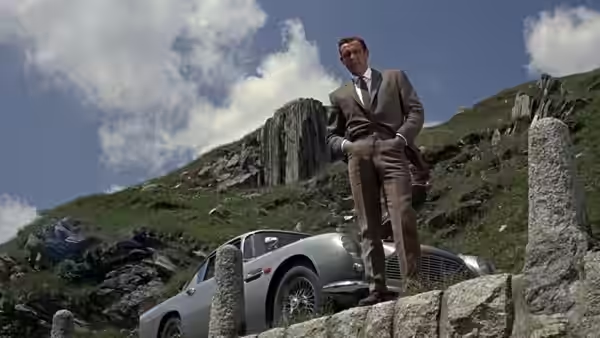
Barry’s score is the other pillar. The title song, sung by Shirley Bassey over Robert Brownjohn’s projections of a gold-painted body, is brass and swagger, and Barry threads the same tune through the rest of the film in a dozen tempos. Hunt cuts the pre-credits fight in a bathroom hard and close, and the car chase through a Swiss factory yard, with the Aston Martin’s smoke screen and oil slick and ejector seat, is over before we have finished enjoying it. The car is the film’s most durable joke: a British sports car fitted with the contents of a schoolboy’s imagination, and Bond’s face when he is told about the seat.

Connery is at ease in a way he was not before. He is cruel, quick and amused, and he delivers a line about drinking Dom Pérignon above a certain temperature as if he has been waiting all his life to say it. But the film does something odd with him in its middle third: it locks him up. Bond becomes a prisoner who watches, eavesdrops and is moved about like a piece of luggage. For much of the film he does little, and it is Goldfinger and Oddjob who carry the picture.

Then there are the women, and the film has aged badly there. Shirley Eaton’s Jill is on screen for one scene before she becomes an image, and Tania Mallet’s Tilly lasts a few more scenes before the film loses interest in her. Both are named Masterson; neither is given much to want. Honor Blackman’s Pussy Galore is the exception, a pilot who runs her own outfit and looks at Bond as if he were a mild inconvenience, and Blackman is dry and good. What the script eventually asks of her we did not laugh at, though the film wanted us to.

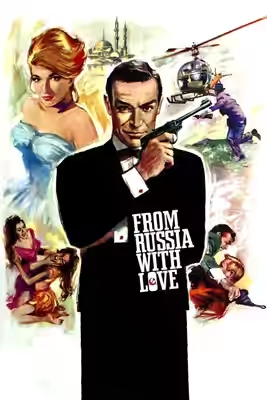
From Russia with Love, the film before it, is leaner and more worried, and on some evenings we prefer it. Goldfinger is the one that everybody copied for the next four decades. Watch it for Fröbe, for Adam’s rooms, for Barry and Bassey, and for the laser, which has not dimmed.

It is a PG. The gold paint will not trouble a child; the way the film talks to its women might trouble an adult.
Critical consensus AI synthesised

80
Positive
14
Mixed
3
Negative
0

Most critics agree Goldfinger is where the Bond formula settles: gadgets, a megalomaniac villain, a theme song and a joke never far from the violence. The praise clusters on Guy Hamilton’s handling of tone, keeping the outrageous and the self-mocking in step, and on Ken Adam’s sets, the Aston Martin and the laser sequence, which nearly everyone names. Connery draws warm notices for pairing charm with cruelty; John Barry’s score and Shirley Bassey’s song are mentioned almost as often.

The reservations are fewer and mostly about age. The Independent enjoys the storytelling but finds the sexism and the barn scene hard to watch now, and The Times allows that it looks primitive beside later entries. The Guardian thinks the fantasy too contrived once Bond can do anything, and The New York Times, writing on release, finds the gadgets tedious while admiring the Fort Knox raid. The spread is narrow and nobody is hostile.

Radio Times
★★★★★ · David Parkinson
100

The film ranks among the slickest Bond entries, endlessly entertaining with classic moments like the gold paint, laser scene and Oddjob duel. Director Guy Hamilton integrates these into a gripping storyline and elicits Connery's best performance.

Read the full review →
Empire
2 July 2007 · Ian Nathan
90*

The review hails the film as perfection and the point where the franchise hit its stride, praising the immortal laser scene, iconic elements like the Aston Martin and Oddjob's hat, and its blend of glamour, action, sex and comedy under Guy Hamilton.

Read the full review →
Evening Standard
10 April 2012 · Nick Curtis
90*

The writer declares Goldfinger the finest in the series for its taut plot, Aston Martin, Shirley Bassey song, golf and laser set pieces, and especially Sean Connery at his peak capturing Bond's cruelty, charm, virility and humour.

Read the full review →
RogerEbert.com
31 January 1999 · Roger Ebert
90*

Ebert declares Goldfinger the best of the Bond films and a great entertainment that encapsulates the entire series formula. He singles out its many durable iconic images, such as the gold-painted woman and the gadget-filled Aston Martin.

Read the full review →
Sight and Sound
90*

The review praises the film's pre-credits sequence and overall tone of outrageous violence mixed with self-mockery. It highlights Ken Adam's sets, gadgetry like the Aston Martin, and the principle that nothing succeeds like excess.

Read the full review →
The Telegraph
16 September 2024
90*

The piece celebrates Goldfinger as the gold standard and most important Bond film, crediting its formula of gadgets, action, sex and humour for defining the series. It singles out the laser scene and overall tone set by director Guy Hamilton for praise.

Read the full review →

Straight answers AI written, from our review

Is Goldfinger worth watching?
Goldfinger is worth watching for anyone who wants to see where the Bond formula was set, and we scored it 82. Gert Fröbe's soft, cheating villain, Ken Adam's laser room and John Barry's score carry it, though Bond spends the middle third locked up and doing little. It treats its women badly enough that the laughs sometimes catch.
How long is Goldfinger, and what is it rated?
Goldfinger runs 1h 50m and is rated PG by the MPA in the US. It is an adventure and action film.
Where can I watch Goldfinger in the US?
Goldfinger is available to rent from Amazon Prime Video and Apple TV from $3.99. Availability is checked daily; the links above go straight to each service.
How violent or frightening is Goldfinger, and is it suitable for children?
Goldfinger is a PG, and its violence is brisk and bloodless: a hard-cut bathroom fight, a bowler hat that takes the head off a statue, and a laser that creeps towards Bond without touching him. The one death shown, a woman painted gold, is an image rather than a horror. Children will manage it; adults may wince at how the film talks to its women.
How does Goldfinger compare to From Russia with Love?
Goldfinger is the broader and funnier of the two, and the one every later Bond film copied; From Russia with Love is leaner and more worried, with a killer Bond cannot talk his way past. We slightly prefer Goldfinger for Fröbe and the sets, but on some evenings the earlier film's tension wins, and both short-change their women.
Is Goldfinger based on a true story or a book?
Goldfinger is based on Ian Fleming's novel of the same name and is not a true story. The film keeps the bullion dealer who cannot bear to lose and cheats at cards and golf, but our review does not judge how closely it follows the book. You need no knowledge of Fleming to enjoy it.
Do you need to have seen the other James Bond films before Goldfinger?
Goldfinger is the third James Bond film and stands entirely alone; nothing in it depends on the two before it. It is a good place to start, since it is the film that fixed the car, the song, the sets and the explaining villain for the next sixty years. Only Connery's easier manner rewards having seen him earlier.
What should I watch after Goldfinger?
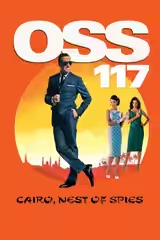
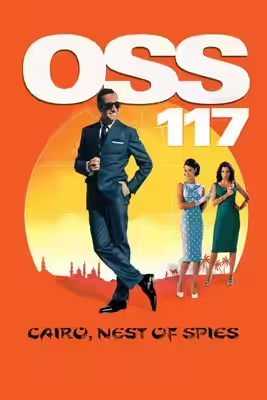
After Goldfinger, try From Russia with Love (1963, Fi1m 84): The Bond before this one: tighter, more nervous, and with a train fight to end all train fights. Then North by Northwest (1959, Fi1m 89): Hitchcock’s suave man on the run, the film Bond was half built from; and OSS 117: Cairo, Nest of Spies (2006, Fi1m 76): A French parody so affectionate and exact it works as a period spy film too.
What order should I watch the James Bond films in?
Release order is the safe choice for James Bond, and it is the order our collection page lists them in. Goldfinger is number 3 of the 27 James Bond titles on Fi1m; before it comes From Russia with Love and after it Thunderball. The full order.

Part of · 3 of 27

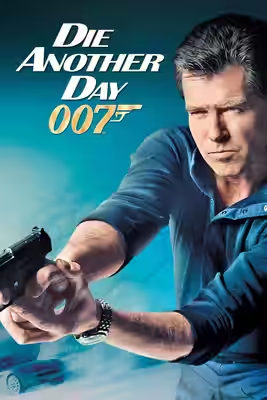
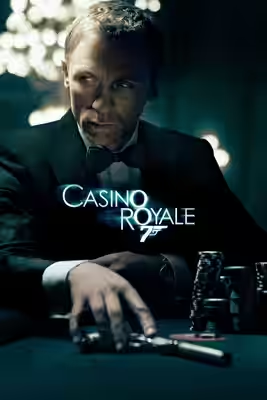
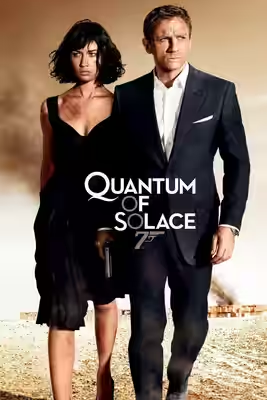
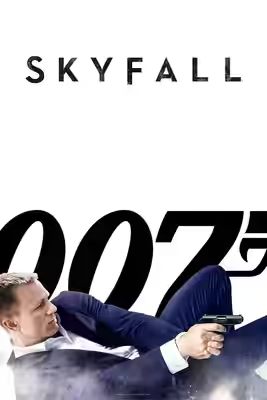
James Bond

27 films on Fi1m · 1962–2021 · average 67 · best Casino Royale 86

All 27 in order

Cast

Awards

Saturn Awards, 2013

Nominated
Best DVD Collection

Academy Awards, 1965

Won
Best Sound Editing

If you liked this, try…

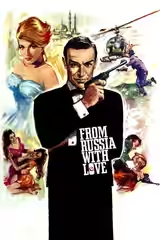
  1. From Russia with Love (1963, Fi1m 84)The Bond before this one: tighter, more nervous, and with a train fight to end all train fights.

  2. North by Northwest (1959, Fi1m 89)Hitchcock’s suave man on the run, the film Bond was half built from.

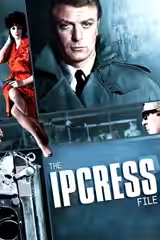
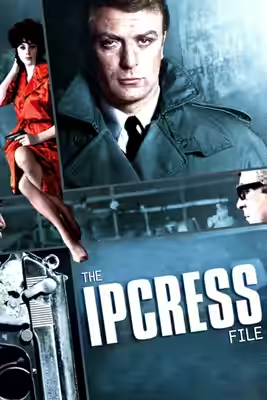
  3. The Ipcress File (1965) · not reviewed yetThe same producer’s answer to his own Bond: glasses, groceries and grubby London.

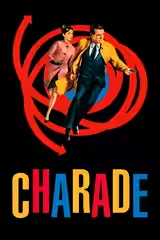
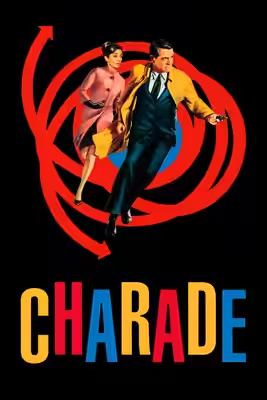
  4. Charade (1963) · not reviewed yetGrant and Hepburn in Paris, murders included; the lightest thriller anyone ever made.

  5. OSS 117: Cairo, Nest of Spies (2006, Fi1m 76)A French parody so affectionate and exact it works as a period spy film too.

Free account

Know what to watch tonight

Two lists that know where things are streaming, collections you can share, your own score beside ours, and Discover that remembers what you have seen.

  • Want to see, sorted by what is streaming now
  • Seen, with your score out of ten
  • No adverts, ever