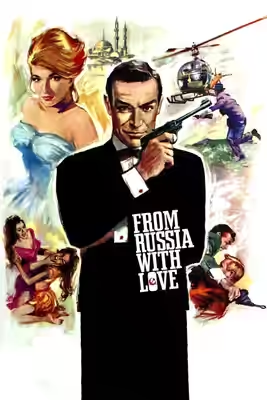
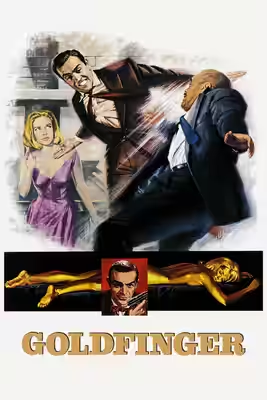
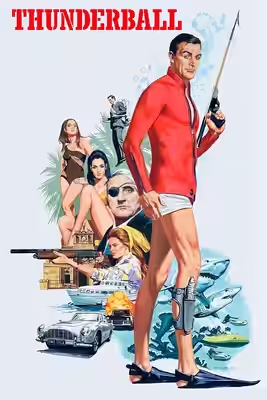
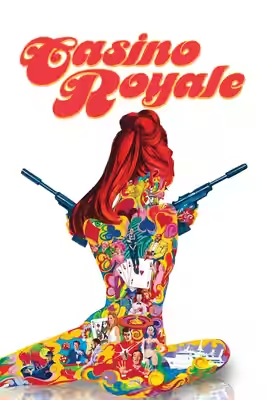
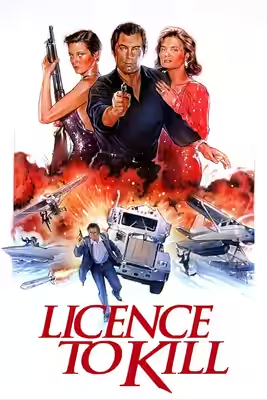
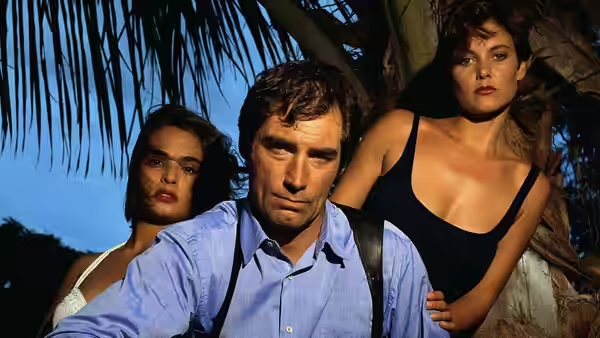
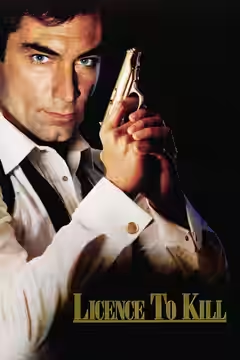
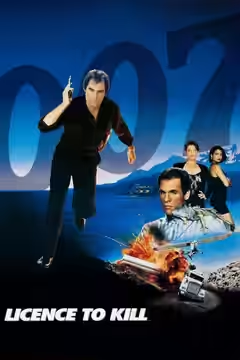
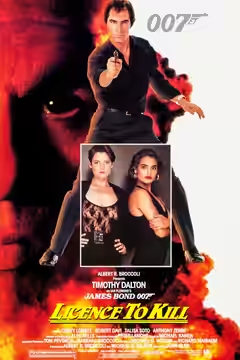
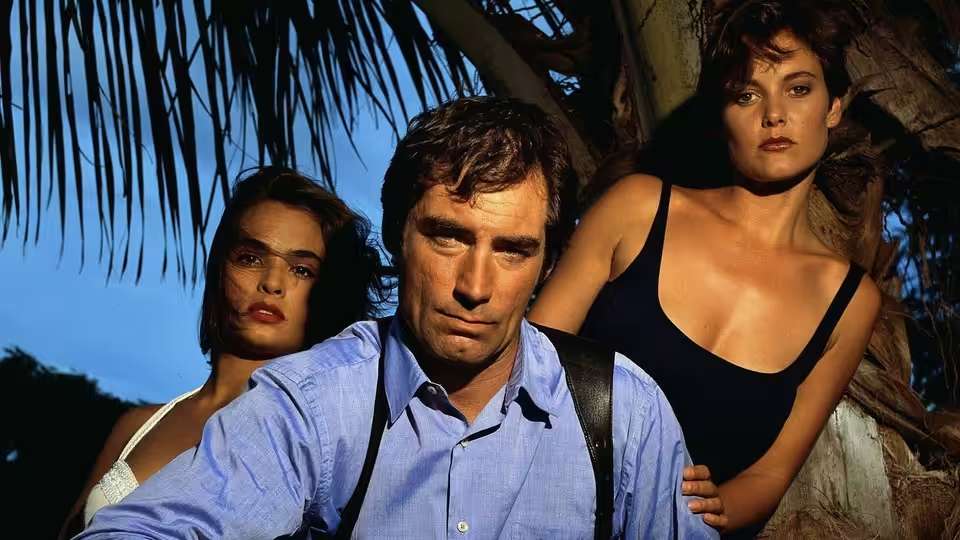
James Bond (Timothy Dalton) standing between two women under palm trees
Film review

Licence to Kill

1989 · Directed by John Glen · 2h 13m · MPA PG-13

In a sentenceBond hands back his licence, keeps his temper for about a minute, and the stunt team does the rest

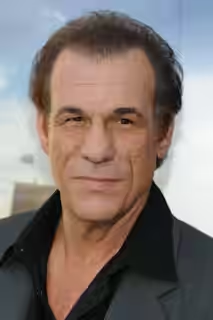
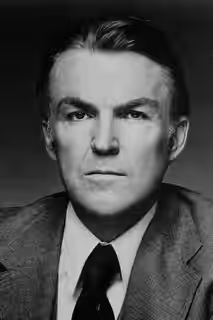
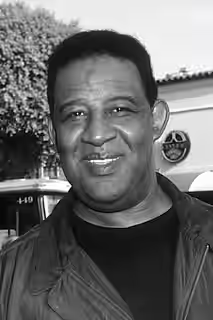
Key West, Florida. James Bond (Timothy Dalton) is best man at the wedding of his oldest American friend, the CIA agent Felix Leiter, when word comes that the drug baron Franz Sanchez (Robert Davi) has surfaced within reach, chasing his runaway girlfriend Lupe Lamora (Talisa Soto). Bond and Leiter take him from the air on the way to the church. Within a day Sanchez has bought his way out through a DEA agent, Killifer (Everett McGill), and taken his revenge on Leiter among the sharks kept by the marine dealer Milton Krest (Anthony Zerbe). Bond’s own service orders him off the case; he refuses, and his licence to kill is revoked. He goes after Sanchez alone, helped by Leiter’s friend Sharkey (Frank McRae) and a pilot, Pam Bouvier (Carey Lowell).

Fi1m review

Timothy Dalton’s second and last Bond sacks him early and lets him spend the rest on a grudge, and it is the toughest the series had been in years. It also looks like television, the score is thin, and the jokes keep wandering back in.

John Glen’s fifth Bond film begins with a wedding in Key West and has the groom lowered into a shark tank before the honeymoon. We flinched at it. Glen cuts away before the worst and the film is nastier for the restraint. Michael G. Wilson and Richard Maibaum’s script does something the series had never done: it takes Bond’s job away. His superiors tell him the drug baron Franz Sanchez is an American problem; he refuses and spends the remaining two hours as a private citizen with a grudge. It is a Bond film built like an American cop picture, and for long stretches it works.

Dalton is the reason to watch. He plays Bond as a man barely holding his temper, jaw set, eyes wet, saying as little as he can get away with, and the film gives him proper grief to carry rather than a quip to hide behind. When he walks out on his own service he does it quietly, and we believe the man would never have been let back in. What he is instead is frightening, and Bond had not been that for a long time.

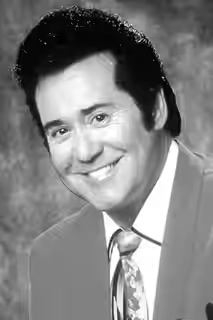
Robert Davi’s Sanchez is a fair match for him: a drug lord who talks about loyalty the way other men talk about God, played as calm, courteous and not quite sane. The script’s best idea is to let Bond get inside Sanchez’s household and turn that loyalty into suspicion, so the middle hour is less about shooting than about a man being talked into wrecking his own organisation. Benicio del Toro gives the henchman Dario a knife and a grin and little else, and is memorable anyway. Wayne Newton turns up as a television preacher, Professor Joe Butcher, fronting Sanchez’s operation, and we could have done without him.

The craft is uneven. Alec Mills lights Florida and the Latin American locations in flat, hard sunshine, and the result too often looks like a well-funded episode of American television: everything is visible and none of it has been arranged as a picture. Peter Lamont’s sets are better, particularly Sanchez’s headquarters dressed up as a meditation retreat, stone temple at the front and laboratory behind. Michael Kamen’s score is the film’s real weakness, thin and anonymous where John Barry’s had been rich, and it makes the film sound cheaper than it looks. John Grover cuts the action cleanly and the conversations less so; dinners and briefings run a beat too long.

And then there is the last twenty minutes, on a mountain road, with a convoy of petrol tankers, a light aircraft and a great deal of fire. We will not say how it comes out. We will say that we sat forward, and had not expected to, because the tankers are real, the road is real, the stunt drivers are doing things with an articulated lorry that nobody sensible would attempt, and Glen knows exactly where to put the camera so we see all of it. It is the best sustained action in the series for a decade.

Carey Lowell’s Pam Bouvier is the most capable woman the films had allowed themselves in years, a pilot who saves Bond as often as he saves her, and Lowell plays her with a hard impatience that suits Dalton’s mood. The trouble is that the film cannot quite commit to its own grimness. Desmond Llewelyn’s Q turns up with a suitcase of exploding toothpaste, and it is a pleasure to see him, but every time he arrives the grim film we were watching turns back into the old one. The 15 certificate is earned; the wisecracks feel carried over from the previous film.

Most critics now rate it higher than they did in 1989, on the grounds that it foresaw where the series would go. True, and it does not make the film any better. It is a tough, occasionally clumsy thriller with a lead actor taking it more seriously than anyone around him, and Dalton was not given a third go.

Watch it for Dalton, for Davi and for the tankers. Skip the preacher. It runs 133 minutes, carries a 15, and opened in British cinemas on 13 June 1989.
Critical consensus AI synthesised

66
Positive
9
Mixed
2
Negative
2

Most critics come down in favour, and the praise gathers in two places. The first is Timothy Dalton, whose lean, brooding, physical Bond is widely seen as a deliberate break from the Moore years and a good fit for a plot built on personal revenge against a drug baron. The second is the stunt work, with the closing tanker-truck chase named again and again as the film’s high point. Several later reviews add that its grittier tone and heavier violence look ahead of their time, anticipating the direction the series took with Casino Royale.

The spread is wide. The mixed notices find the film still a little too conventional under its updates, and less witty than The Living Daylights. The Hollywood Reporter calls it a noble misfire, too grim for the audience it was made for. The sharpest dissent comes from Empire, which finds the whole thing dull and Dalton wooden. Critics revisiting it decades on are, on the whole, kinder than those who saw it first.

Los Angeles Times
14 July 1989 · Michael Wilmington
85*

The critic calls it one of the five or six best Bond films, noting a darker, more somber tone and Dalton's desperate one-man vendetta against a cocaine czar. The elaborate, gag-filled stunt sequences, especially the truck chase, are singled out for praise.

Read the full review →
RogerEbert.com
14 July 1989 · Roger Ebert
80*

The critic finds the film one of the best recent Bonds, with Dalton delivering a lean, tough contemporary Bond who favors action. The standout element praised is the exhilarating closing stunt sequence involving gasoline trucks, a helicopter, and a light aircraft.

Read the full review →
The Telegraph
10 June 2019
80*

Licence to Kill pushed Bond into darker territory with Dalton's intense performance, a revenge plot against a ruthless drug lord, and groundbreaking violence and stunts like the truck chase. It was subversive and ahead of its time but underperformed at the box office.

Read the full review →
Variety
31 December 1988 · Variety Staff
80*

The review praises the high-octane action, spectacle, and drama, crediting Dalton's vigorous, physical performance for revitalizing the series. The superbly orchestrated thrills-and-spills chases through South Florida and Central American locations are highlighted.

Read the full review →
The Guardian
25 February 2001
70*

Timothy Dalton's two Bond films directed by John Glen are underrated and now on DVD with extras. Licence to Kill features a ferocious foe in a Latin-American drug baron and is the first Bond to get a 15 certificate for violence.

Read the full review →
Time Out
10 September 2012 · CM
70*

The review notes it is not as witty as The Living Daylights but delivers on effects, gadgetry, locations, and a feisty Bond girl. It praises the pacy plot and hi-tech elements despite straightforward plotting.

Read the full review →

Straight answers AI written, from our review

Is Licence to Kill worth watching?
Licence to Kill is worth watching for anyone who wants a tougher, angrier Bond than usual, and we scored it 70. Timothy Dalton plays him as a man barely holding his temper, Robert Davi is a fair match as the drug baron Sanchez, and the tanker chase on a mountain road is the best sustained action the series had managed in a decade. The flat photography and thin score hold it back.
How long is Licence to Kill, and what is it rated?
Licence to Kill runs 2h 13m and is rated PG-13 by the MPA in the US. It is an adventure and action film.
Where can I watch Licence to Kill in the US?
Licence to Kill is available to rent from Amazon Prime Video and Apple TV from $3.99. Availability is checked daily; the links above go straight to each service.
How violent or frightening is Licence to Kill, and is it suitable for children?
Licence to Kill carries a 15 in Britain and earns it, so it is not for children. A CIA agent is lowered into a shark tank in the first act, and although the film cuts away before the worst, we flinched; the rest is a grudge story with a knife-carrying henchman and a fiery finale. Older teenagers used to hard-edged thrillers will be fine.
How does Licence to Kill compare to The Living Daylights?
Licence to Kill is the harder and grimmer of the two Dalton Bond films, and The Living Daylights is the better made. The earlier film is a proper spy story with a tense first hour; this one sacks Bond early and plays like an American cop picture, with a stronger villain and a bigger finish but flatter photography and a weaker score.
Do you need to have seen the other James Bond films before Licence to Kill?
Licence to Kill can be watched without seeing any earlier Bond films, though Bond and his friend Felix Leiter have a shared history the film assumes you know. It is Timothy Dalton's second and last outing, and works as a stand-alone thriller about a man losing his job and pursuing a grudge. Newcomers may prefer to start with The Living Daylights, his first.
What should I watch after Licence to Kill?
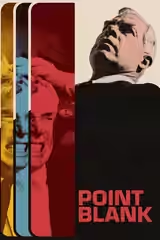
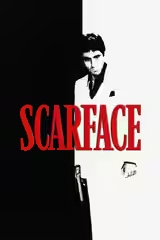
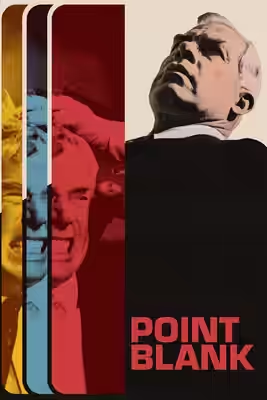
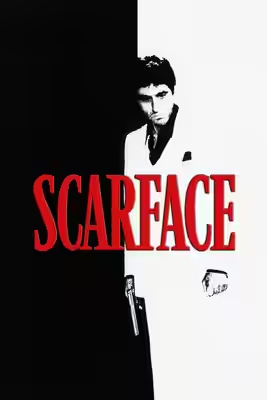
After Licence to Kill, try The Living Daylights (1987, Fi1m 74): Dalton’s first go, lighter on its feet and better shot; the same director, more jokes. Then Point Blank (1967, Fi1m 84): Lee Marvin’s revenge, stripped to the bone; the film Dalton’s Bond wishes he were in; and Scarface (1983, Fi1m 79): De Palma’s cocaine baron at full volume; Sanchez is the quiet, better-dressed cousin.
What order should I watch the James Bond films in?
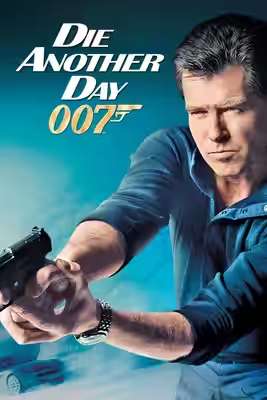
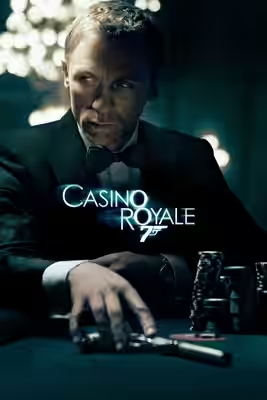
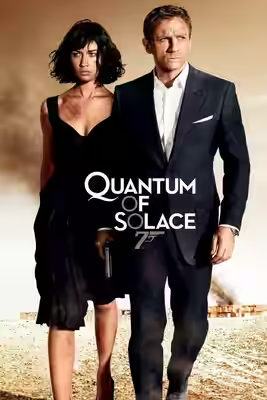
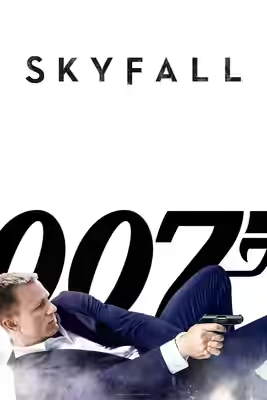
Release order is the safe choice for James Bond, and it is the order our collection page lists them in. Licence to Kill is number 18 of the 27 James Bond titles on Fi1m; before it comes The Living Daylights and after it GoldenEye. The full order.

Part of · 18 of 27

James Bond

27 films on Fi1m · 1962–2021 · average 67 · best Casino Royale 86

All 27 in order

Cast

If you liked this, try…

  1. The Living Daylights (1987, Fi1m 74)Dalton’s first go, lighter on its feet and better shot; the same director, more jokes.

  2. Point Blank (1967, Fi1m 84)Lee Marvin’s revenge, stripped to the bone; the film Dalton’s Bond wishes he were in.

  3. Scarface (1983, Fi1m 79)De Palma’s cocaine baron at full volume; Sanchez is the quiet, better-dressed cousin.

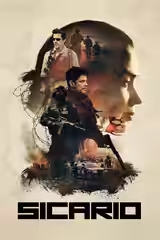
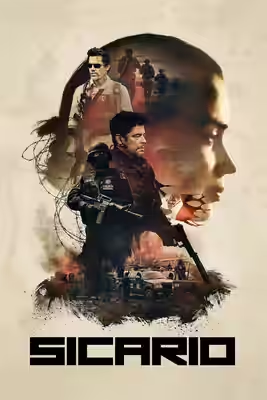
  4. Sicario (2015, Fi1m 80)The cartel thriller done without a hero; Villeneuve makes the border itself the villain.

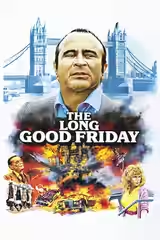
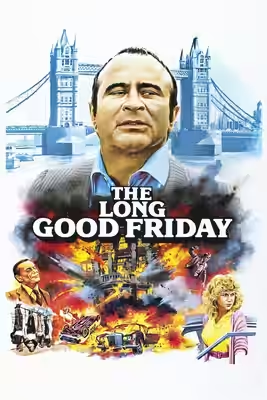
  5. The Long Good Friday (1980, Fi1m 88)Hoskins watches his empire come apart in a day; Sanchez should have taken notes.

Free account

Know what to watch tonight

Two lists that know where things are streaming, collections you can share, your own score beside ours, and Discover that remembers what you have seen.

  • Want to see, sorted by what is streaming now
  • Seen, with your score out of ten
  • No adverts, ever